

Australian Mist
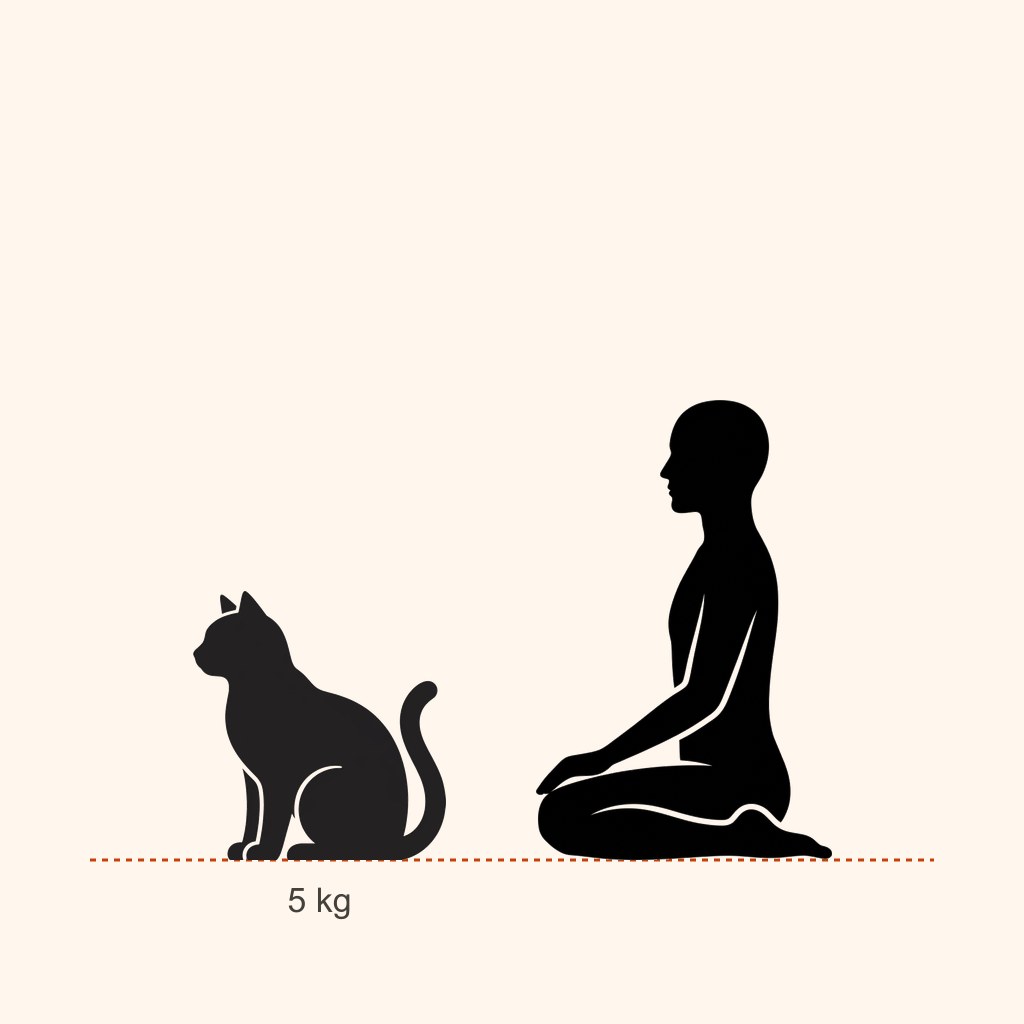
The image on this page is AI-generated and does not depict a real animal.
- Species
- Cat
- Origin
- Australia
- Size
- Medium
- Lifespan
- 12 - 16 years
- Temperament
- Lively active Social Fun-loving Easygoing calm Affectionate
- Description
Enjoys human company, tolerant of children, playful and friendly.
- Physical Traits
Warm-toned spotted or marbled patterns on a short coat, a proportionate medium-sized body.
- Care / Environment Info
Lives indoors. Sheds moderately. Requires moderate grooming, brushing a few times a week recommended. Quite energetic and playful. Moderately vocal/talkative. Generally a very healthy breed.
Australian Mist Owner's Guide
Last updated:
Is an Australian Mist right for you?
The Australian Mist was bred specifically for temperament by crossing the Burmese, the Abyssinian, and Australian domestic cats. The result is exactly what was aimed for: an extremely social, friendly, and undemanding family cat.
| Situation | Suitability | Note |
|---|---|---|
| Apartment | Excellent | Well suited to indoor life, not overly energetic |
| Family with young children | Excellent | Tolerant of being held and cuddled, not prone to scratching |
| First-time cat owner | Excellent | Easy temperament, predictable behavior |
| Alone 8+ hours a day | Poor | Highly people-dependent; dislikes long solitude |
| Household with fur allergies | Good | Short coat, low-shedding build |
| An elderly or single owner | Excellent | Calm and affectionate, an ideal companion |
| Home that needs quiet | Good | Generally soft-voiced; wants attention but isn't noisy |
The real question to ask before choosing this breed: are you ready for a cat that wants to be with you constantly, sharing most of your time at home? If yes, the Australian Mist may be one of the easiest-going breeds you'll ever meet.
Before you adopt
This breed is still rare outside Australia; finding a breeder in Turkey can be difficult. When choosing a kitten, ask the breeder whether the parents were screened for pyruvate kinase deficiency (PK deficiency) and progressive retinal atrophy (PRA); both are testable conditions, and responsible breeders remove positive individuals from breeding.
Temperament
The Australian Mist was developed over more than forty years with temperament as the primary selection goal, which arguably makes it one of the most "family-friendly" cat breeds around. It's calm, affectionate, and loves a lap; it's more tolerant than many breeds of being held, picked up, and roughly handled by children.
It's highly dependent on people and doesn't enjoy long stretches alone, so it does better with owners who work from home or are retired. It's talkative but usually soft-voiced, not insistent and loud like the Siamese.
It's playful without being overly energetic, striking a balance between "couch potato" and active cat. It gets on well with other cats and dogs and adapts easily to new environments.
This balanced, tolerant temperament is no accident: the breed was deliberately selected for character before appearance. That makes it a safe choice both for first-time cat owners and for families with a busy household.
Health issues and lifespan
Sources generally report a lifespan of 12-16 years, with some noting well-cared-for individuals reaching 18. Because of its mixed heritage (a blend of three different breeds), genetic diversity is higher, and the breed is generally considered robust, without a well-documented common hereditary disease burden.
- Pyruvate kinase deficiency (PK deficiency): A hereditary condition affecting red blood cell energy production that can cause anemia. A genetic test exists, and responsible breeders screen parents.
- Progressive retinal atrophy (PRA): A rare condition causing gradual retinal deterioration; a genetic test exists.
- Gingivitis and periodontal disease: A tendency reported in this breed due to its Burmese ancestry; regular dental care matters.
- Neonatal isoerythrolysis: A condition arising from a blood-type mismatch between mother and kitten that can appear shortly after birth; this is mainly a breeding-program concern rather than a direct risk for an adopter.
- Obesity: Its calm nature can lead to weight gain if inactive; measured feeding matters.
Feeding
An adult Australian Mist (3.5-6.5 kg) needs the energy equivalent of about 50-70 g of dry food per day.
- Kitten (2-12 months): Kitten food, three to four meals a day.
- Adult: High protein, measured calories; given its calm nature, watch portion sizes.
- Senior (9+ years): Food that supports dental health and regular weight monitoring are recommended.
Given its couch-potato tendency, scheduled portions rather than free feeding are the most practical way to manage weight.
Grooming and coat
One of the easiest breeds to groom.
- Short, dense, glossy coat; weekly brushing is enough.
- Sheds little, low matting risk.
- Bathing is rarely needed.
- Trim nails every two to three weeks, brush teeth several times a week; given the Burmese-linked gum tendency, don't skip dental care.
- Check ears monthly.
Living space and enrichment
- Social contact first. This breed's top need isn't space but attention; active interaction several times a day is essential.
- Moderate play. Ten to fifteen minutes twice a day; even though it isn't hyper, inactivity leads to weight gain.
- Comfortable resting spots. Since it loves a lap, provide soft, accessible resting spots.
- A second pet. If it will be alone a lot, its social nature makes a companion animal a good solution.
- A child-friendly setup. Even though it tolerates rough play, teaching basic respect strengthens the relationship.
History
The Australian Mist is the product of a breeding program started in Australia in 1976-1977, led by Dr. Truda Straede. The goal was to create a cat that was both beautiful and genuinely "family-friendly." The program crossed three lines: Burmese (roughly half the original genes), Abyssinian, and the Australian domestic cat (roughly a quarter each): the Burmese brought its affectionate temperament and velvety coat colors, the Abyssinian its two-toned "ticking" pattern, and the domestic cat contributed genetic vigor and a manageable litter size.
The breed was initially recognized only with a spotted tabby pattern under the name "Spotted Mist"; when the marbled (classic tabby) pattern was also accepted in 1998, it was renamed "Australian Mist." The New Zealand Cat Fancy granted championship status in 1999, the World Cat Federation recognized it in 2004, TICA granted championship status in 2014, and the GCCF accepted it in 2017.
It remains largely an Australian breed today and is considered rare worldwide; the first individuals were imported to the United Kingdom in 2007.
This guide is for information only and is not a substitute for veterinary advice. Prices are approximate and vary by region and time.
Adoption Prep Checklist
Housing
-
Cat bed
Cats want a safe space of their own to rest.
-
Cat climbing tree
Satisfies the natural scratching instinct and protects furniture.
Feeding
-
Dry/wet cat food
Quality cat food is needed for balanced nutrition.
-
Food and water bowl set
Needed for daily feeding and water access.
Grooming
-
Cat litter and litter box
Essential for the cat's toilet needs.
-
Cat de-shedding brush
Regular brushing reduces hairball formation.
Activity
-
Interactive cat toy
Cats release energy through play.
-
Cat carrier
Needed for safe transport to vet visits.
Frequently Asked Questions
Does the Australian Mist shed?
It sheds a moderate amount. Brushing two or three times a week noticeably reduces both loose hair and matting.
Can the Australian Mist live in an apartment?
Yes. It lives comfortably in an apartment as long as its daily needs are met. What matters is not floor area but consistent exercise and mental stimulation.
Is the Australian Mist good with children?
Generally yes. It adapts well to families with children. Even so, interactions should be supervised and children taught to respect the animal’s boundaries.
Is the Australian Mist suitable for first-time cat owners?
Partly. Someone with basic experience will manage well, but it would not be the first choice for a complete beginner.
How much exercise does the Australian Mist need?
It is high-energy and needs vigorous daily activity. Mental stimulation matters as much as physical exercise; without enough to do, destructive behaviour follows.
Can the Australian Mist be left alone during the day?
It tolerates being alone well. That makes it workable for someone employed full time, though it will still expect attention and activity on your return.
How long does the Australian Mist live?
The Australian Mist lives 12 - 16 years on average. Diet, regular veterinary check-ups and early screening for hereditary conditions all affect this directly.
Where does the Australian Mist come from?
The Australian Mist originates from Australia. The geography a breed was developed in, and the job it was bred for, explain much of its temperament and care needs today.