

Egyptian Mau
The image on this page is AI-generated and does not depict a real animal.
- Species
- Cat
- Origin
- Egypt
- Size
- Medium
- Lifespan
- 12-15 years
- Temperament
- Agile Devoted (attached to its owner) Gentle Intelligent Lively active Loyal Playful
- Description
Gentle and reserved; devoted to its person but wary of strangers.
- Physical Traits
The only naturally spotted cat breed; gooseberry-green eyes and characteristic 'M' markings on the forehead.
- Care / Environment Info
Lives indoors. Sheds moderately. Very easy to care for, infrequent brushing needed. Very high energy, needs plenty of play and stimulation. Moderately vocal/talkative. Some breed-specific health monitoring is recommended.
Egyptian Mau Owner's Guide
Last updated:
Is an Egyptian Mau right for you?
The Egyptian Mau is the only domestic cat breed with a naturally occurring spotted coat; the pattern arose on its own rather than through a deliberate crossbreeding project. It may look wild, but its temperament is entirely that of a house cat: attached to its family, intelligent, and very active.
| Situation | Suitability | Note |
|---|---|---|
| Apartment | Good | Works, but enrichment is essential; a bored Mau channels its energy destructively |
| Family with young children | Moderate | Affectionate but dislikes very rough play and wants somewhere high to retreat to |
| First-time cat owner | Moderate | Not an easy temperament; high energy and intelligence can challenge an inexperienced owner |
| Alone 8+ hours a day | Poor | Strongly bonded to its family, gets bored alone |
| Household with fur allergies | Moderate | Short-coated but still sheds; does not remove allergy risk entirely |
| Home with no time for enrichment | Not suitable | Its high energy needs regular play and climbing space |
| Home wanting a quiet, low-activity cat | Not suitable | An agile, curious breed that is almost always in motion |
The Egyptian Mau suits families who want an active, observant cat and who have the time and space to match its energy.
Before you adopt
Ask for the pyruvate kinase (PK) deficiency genetic test result when choosing a kitten; this is a reported inherited blood disorder in the breed with a reliable DNA test available. Prefer kittens from parents that have had a heart screening (echocardiogram for hypertrophic cardiomyopathy).
Because the Egyptian Mau is a rare breed, breeders are few; be patient and do not settle for less than a serious, health-tested line. Purebred Maus are uncommon in shelters, but spotted tabby mixes turn up often and can offer a similar personality.
Temperament
The Egyptian Mau is highly intelligent, curious, and energetic. It bonds strongly with its family and "talks" to them in a soft, melodious voice. It starts out reserved with strangers but warms up over time.
The breed is also physically remarkable: because its hind legs are longer than its front legs and it has a flexible flap of skin on its flank, it can extend its stride further than usual, producing a distinctive, almost tiptoeing walk and a very high capacity for leaping and sprinting. Sources commonly describe it as the fastest domestic cat, capable of reaching speeds up to 48 km/h (30 mph); this figure is passed down mostly from observation rather than controlled testing, but the breed's athleticism itself is not in question.
It can learn to fetch, walk on a harness, and enjoys a cat exercise wheel. It becomes restless without enough mental and physical stimulation.
Health issues and lifespan
Sources give a wide lifespan range, generally around 12-15 years, with well-cared-for individuals living even longer.
- Pyruvate kinase (PK) deficiency: An inherited condition causing premature breakdown of red blood cells; can present as lethargy and jaundice. A genetic test identifies carriers.
- Hypertrophic cardiomyopathy (HCM): The most common heart disease in cats; regular echocardiogram screening is recommended for this breed. See a vet if you notice unusual tiring after exertion or laboured breathing.
- Urinary stones (urolithiasis): Reported particularly in males under 6 years old; straining to urinate, bloody urine, or inability to urinate is an emergency.
- Tartar and gum disease: Accelerates if regular dental care is skipped.
- Progressive retinal atrophy (PRA): An inherited eye disease reported in some sources for this breed, leading to vision loss.
Feeding
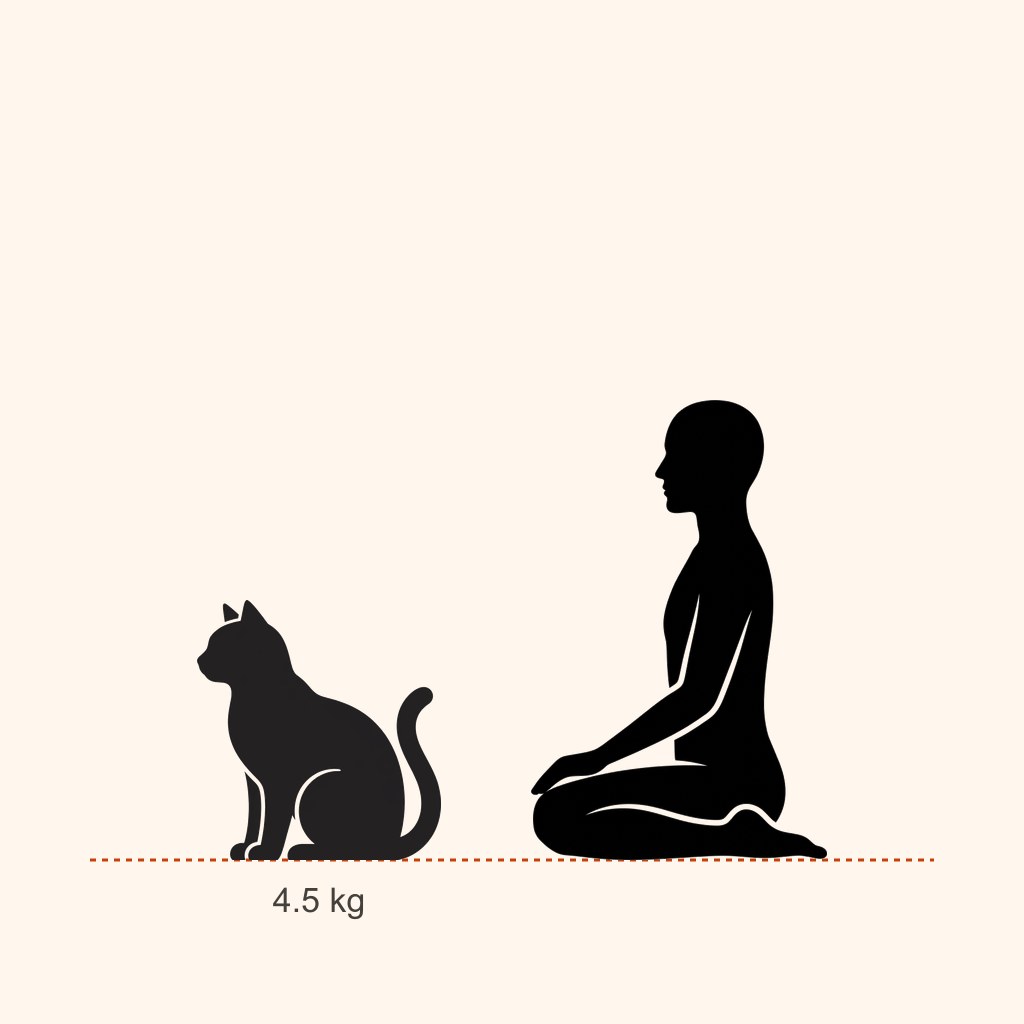
An adult Egyptian Mau (3.5-6 kg / 8-13 lb) should eat a high-protein, quality diet; this athletic breed needs slightly more protein than average to maintain muscle mass.
- Kitten (2-12 months): Kitten food, three to four meals a day.
- Adult: High protein, moderate carbohydrate. Its high activity level can mean a higher calorie need than some house cats; monitor weight regularly.
- Senior (8+ years): Because of the urinary stone risk, encourage good water intake; wet food and multiple water points help.
Given the urolithiasis risk, choosing a food with well-balanced mineral content and keeping water fresh at all times matters. Obesity is somewhat less common in this breed thanks to its naturally high activity level, but metabolism can slow after spaying/neutering, so portions should be adjusted accordingly.
Grooming and coat
The short, silky, dense coat needs relatively little upkeep.
- Brushing once or twice a week is enough; shedding increases at seasonal changes.
- Bathing is generally unnecessary except for heavy soiling.
- Nails every two to three weeks; because this breed climbs very actively, checking nail tips matters.
- Brush teeth several times a week.
- Check ears monthly.
Living space and enrichment
- Vertical space. A cat tree, shelves, and climbing areas are essential; this breed loves height and has strong jumping ability.
- Two to three play sessions a day. Wand toys, teaser toys, or a laser pointer satisfy its hunting drive.
- A cat exercise wheel or ample space. A particularly useful enrichment tool given this breed's high energy.
- Safe outdoor access. Harness walks or an enclosed "catio" satisfy its curiosity safely.
- Mental puzzles. Food puzzles and hide-and-seek games keep its mind occupied.
The Egyptian Mau should live as an indoor cat; its speed and curiosity can lead to serious risk outdoors. A quiet retreat spot is also needed; this breed can withdraw when overstimulated and needs a space to settle on its own.
History
The name Egyptian Mau comes from the Ancient Egyptian word "mau", meaning cat. Figures resembling spotted cats appear in Egyptian frescoes and papyri dating to around 1550 BC, suggesting the look goes back millennia, though a direct ancestral link between those depictions and today's breed has not been proven.
The modern breed took shape when the exiled Russian princess Nathalie Troubetskoy started a breeding programme with spotted cats she found in Italy in the 1950s. Troubetskoy brought three Maus to New York in 1956, and the breed spread from there. CFA registered the breed in 1968 and granted championship status in 1977; TICA also recognises it. Analysis of mummified cat remains points to the breed's descent from an African wildcat subspecies originating in Ethiopia.
This guide is for information only and is not a substitute for veterinary advice. Prices are approximate and vary by region and time.
Adoption Prep Checklist
Housing
-
Cat bed
Cats want a safe space of their own to rest.
-
Cat climbing tree
Satisfies the natural scratching instinct and protects furniture.
Feeding
-
Dry/wet cat food
Quality cat food is needed for balanced nutrition.
-
Food and water bowl set
Needed for daily feeding and water access.
Grooming
-
Cat litter and litter box
Essential for the cat's toilet needs.
-
Cat de-shedding brush
Regular brushing reduces hairball formation.
Activity
-
Interactive cat toy
Cats release energy through play.
-
Cat carrier
Needed for safe transport to vet visits.
Frequently Asked Questions
Does the Egyptian Mau shed?
It sheds a moderate amount. Brushing two or three times a week noticeably reduces both loose hair and matting.
Can the Egyptian Mau live in an apartment?
Yes. It lives comfortably in an apartment as long as its daily needs are met. What matters is not floor area but consistent exercise and mental stimulation.
Is the Egyptian Mau good with children?
Generally yes. It adapts well to families with children. Even so, interactions should be supervised and children taught to respect the animal’s boundaries.
Is the Egyptian Mau suitable for first-time cat owners?
Yes. Its care and training are relatively forgiving, which makes it a sound choice for first-time owners.
How much exercise does the Egyptian Mau need?
It is high-energy and needs vigorous daily activity. Mental stimulation matters as much as physical exercise; without enough to do, destructive behaviour follows.
Can the Egyptian Mau be left alone during the day?
It can be left alone for a few hours. Long, routine absences can bring on boredom-driven behaviour problems; enrichment and a predictable routine reduce that risk.
How long does the Egyptian Mau live?
The Egyptian Mau lives 12-15 years on average. Diet, regular veterinary check-ups and early screening for hereditary conditions all affect this directly.
Where does the Egyptian Mau come from?
The Egyptian Mau originates from Egypt. The geography a breed was developed in, and the job it was bred for, explain much of its temperament and care needs today.