

Maine Coon
The image on this page is AI-generated and does not depict a real animal.
- Species
- Cat
- Origin
- United States
- Size
- Large
- Lifespan
- 12 - 15 years
- Temperament
- Adaptable Intelligent Loving Gentle Independent
- Description
A good-natured, adaptable and gentle 'giant'; attached to its person but able to act independently.
- Physical Traits
Large, big body, a long thick water-resistant double coat, tufted ears and a bushy tail.
- Care / Environment Info
Lives indoors. Sheds moderately. Requires moderate grooming, brushing a few times a week recommended. Moderate energy. Very quiet. Some breed-specific health monitoring is recommended.
Maine Coon Owner's Guide
Last updated:
Is a Maine Coon right for you?
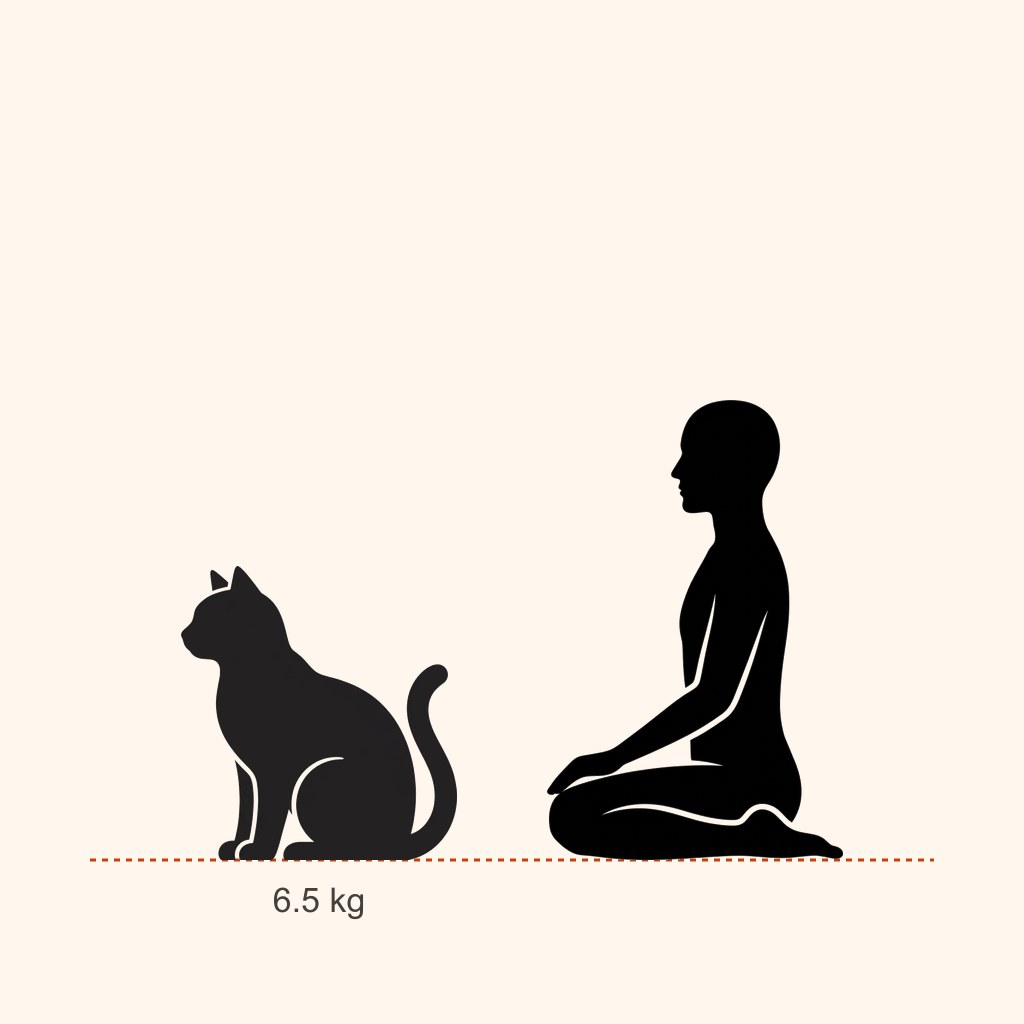
The Maine Coon is one of the largest domestic cat breeds in the world: males reach 6 to 9 kg and sometimes more. The description "gentle giant" might have been invented for this breed. Calm, people-oriented, playful, and surprisingly communicative.
| Situation | Suitability | Note |
|---|---|---|
| Apartment | Good | It needs space; it will feel cramped in a small studio |
| Family with young children | Perfect | Patient and robust; the breed's greatest strength |
| First-time cat owner | Excellent | Easy temperament, open communication |
| Alone 8+ hours a day | Moderate | Attached to people; a second animal helps |
| Household with fur allergies | Poor | Long, dense coat; sheds regularly |
| Home with other cats or dogs | Perfect | Not confrontational; gets on even with dogs |
| Owner who dislikes water | Caution | This breed likes playing with water and gets on well with taps |
The most surprising thing about the Maine Coon is not its size but how long it takes to mature: this cat keeps growing until three to five years of age. The kitten you take home will go on growing for three years.
Before you adopt
When buying a kitten, ask the breeder for the HCM (cardiac) genetic test and hip dysplasia screening results. The Maine Coon is one of the few cat breeds in which hip dysplasia occurs, and this screening should be standard.
Also ask about the SMA (spinal muscular atrophy) and PKD tests.
Maine Coons and their crosses appear in breed rescues; adopting an adult means the size and temperament are already known.
Temperament
Despite its large frame the Maine Coon is calm and gentle. Aggression is not part of the breed's character; it lives comfortably with crowds, children, and other animals.
Its most distinctive quality is how communicative it is. It does not meow so much as chirp and trill, keeping up a constant conversation with you in its own sounds. It follows you from room to room, but most individuals do not enjoy sitting on a lap; they prefer to be beside you.
It is intelligent and keeps playing throughout life. Individuals that learn to fetch, open door handles, and play with taps are common. Its interest in water is considered genetic in this breed.
Its prey drive is strong. Indoors this needs to be met through play and hunting simulation.
Health issues and lifespan
Average lifespan is 12 to 15 years.
- Hypertrophic cardiomyopathy (HCM): The most important health issue in this breed. Thickening of the heart muscle; in the Maine Coon it is associated with a known genetic mutation (MyBPC3) for which a test exists. It progresses silently for a long time; the first sign may be rapid breathing, lethargy, or sudden paralysis of the hind legs. Periodic echocardiography is recommended from adulthood.
- Hip dysplasia: Rare in cats but reported in the Maine Coon because of its size. Avoiding jumping and a stilted gait are the signs.
- Spinal muscular atrophy (SMA): An inherited disease causing hind-limb weakness and a swaying gait. A genetic test exists; it is painless but restricts movement.
- Polycystic kidney disease (PKD): Less common than in other breeds but it occurs.
- Dental and gum disease: A general risk in cats; a large jaw means more tooth surface.
- Obesity: Being large and being overweight are different things. The ribs should be palpable.
Feeding
An adult Maine Coon (5-9 kg) needs the energy equivalent of 70-110 g of dry food per day, varying with the individual and activity level.
- Kitten (2-15 months): Kitten food. This breed grows slowly; do not switch to adult food early. Use large-breed formulas or an extended kitten period.
- Adult: High protein, low carbohydrate. Large kibble suits this jaw.
- Senior (9+ years): Kidney and cardiac monitoring, calorie adjustment.
Water intake matters; because this breed likes water, a fountain-type bowl usually works very well. Wet food contributes to hydration.
Food and water bowls need to be wide and shallow; a large cat squashes its whiskers in a narrow bowl and may avoid eating.
Grooming and coat
Despite being long-haired it is easier to care for than the Persian; its coat mats less readily.
- Brush two to three times a week; daily during seasonal changes.
- Matting risk is highest under the belly, in the armpits, and on the inner rear legs.
- The tail is long-haired and needs attention.
- Bathing is rarely needed; because this breed likes water, bathing is usually not a problem.
- Nails every two to three weeks; a large cat's claws are a risk to both furniture and people.
- Teeth several times a week.
- Ear tufts and the hair between the paw pads should be checked.
Living space and enrichment
The household layout should be built around this breed's size:
- A large litter tray. Standard trays are inadequate; a tray at least 60 cm long and open at the top is needed. A tray that is too small is the most frequent cause of toileting outside the box.
- A sturdy cat tree. A stable structure with wide platforms that will carry an 8 kg cat. Standard cat trees tip over with this breed.
- Scratching. A tall vertical scratching post; this cat stretches to full length.
- Active play twice a day. Wand toys, hunting simulation. An intelligent breed opens cupboards when bored.
- Water play. A shallow water bowl or fountain counts as enrichment for this breed.
- Space. A corridor to run down and somewhere to climb. This breed is unhappy in a small flat.
History
The Maine Coon is the native breed of the state of Maine in the United States and is considered the country's oldest natural cat breed. Romantic legends surround its origin, including crossing with raccoons and cats sent by Queen Marie Antoinette for an escape plan; neither is biologically possible or evidenced.
The closest explanation to the truth is this: long-haired cats carried on European sailors' ships settled on the New England coast and were shaped by natural selection in Maine's harsh winters. The thick coat, water-repellent outer layer, wide paws that make walking on snow easier, and ear tufts that protect the face are products of that climate.
At the end of the 19th century the breed was popular in America; a Maine Coon won a cat show held in New York in 1895. It fell out of favour in the early 20th century with the rise of the Persian and nearly disappeared. It recovered in the 1950s through the work of a group of enthusiasts. Today it is one of the most popular breeds in the world and the official cat of the state of Maine.
This guide is for information only and is not a substitute for veterinary advice. Prices are approximate and vary by region and time.
Adoption Prep Checklist
Housing
-
Cat bed
Cats want a safe space of their own to rest.
-
Cat scratching post
Satisfies the natural scratching instinct and protects furniture.
Feeding
-
Dry/wet cat food
Quality cat food is needed for balanced nutrition.
-
Food and water bowl set
Needed for daily feeding and water access.
Grooming
-
Cat litter and litter box
Essential for the cat's toilet needs.
-
Cat de-shedding brush
Regular brushing reduces hairball formation.
Activity
-
Cat toy
Cats release energy through play.
-
Cat carrier
Needed for safe transport to vet visits.
Frequently Asked Questions
Does the Maine Coon shed?
It sheds a moderate amount. Brushing two or three times a week noticeably reduces both loose hair and matting.
Can the Maine Coon live in an apartment?
Yes. It lives comfortably in an apartment as long as its daily needs are met. What matters is not floor area but consistent exercise and mental stimulation.
Is the Maine Coon good with children?
Generally yes. It adapts well to families with children. Even so, interactions should be supervised and children taught to respect the animal’s boundaries.
Is the Maine Coon suitable for first-time cat owners?
Partly. Someone with basic experience will manage well, but it would not be the first choice for a complete beginner.
How much exercise does the Maine Coon need?
It needs a moderate amount of exercise. Daily activity plus some play time makes for a balanced routine.
Can the Maine Coon be left alone during the day?
It tolerates being alone well. That makes it workable for someone employed full time, though it will still expect attention and activity on your return.
How long does the Maine Coon live?
The Maine Coon lives 12 - 15 years on average. Diet, regular veterinary check-ups and early screening for hereditary conditions all affect this directly.
Where does the Maine Coon come from?
The Maine Coon originates from United States. The geography a breed was developed in, and the job it was bred for, explain much of its temperament and care needs today.