

Burmilla
The image on this page is AI-generated and does not depict a real animal.
- Species
- Cat
- Origin
- United Kingdom
- Size
- Medium
- Lifespan
- 10 - 15 years
- Temperament
- Adaptable easygoing Friendly Intelligent Lively active Playful Social
- Description
Calm, easygoing, affectionate and loyal; a companionable cat.
- Physical Traits
Silvery 'shaded/tipped' patterned short or medium-long coat, green eyes.
- Care / Environment Info
Lives indoors. Sheds moderately. Requires moderate grooming, brushing a few times a week recommended. Moderate energy. Very talkative and can meow loudly. Some breed-specific health monitoring is recommended.
Burmilla Owner's Guide
Last updated:
Is a Burmilla cat right for you?
The Burmilla comes from a pairing of the Burmese and the Chinchilla Persian, and it stands out for its glittering "shaded" or "tipped" coat. Dark lining around the nose, lips, and eyes gives it an almost "made-up" look. On the personality side, you get a blend of the Burmese's playful, social nature and the Persian's calmer temperament.
| Situation | Suitability | Note |
|---|---|---|
| Apartment | Excellent | Adapts well to indoor life |
| Family with young children | Good | Playful and easygoing; may be a bit shy with strangers |
| First-time cat owner | Good | Relatively easy care, but weight needs watching |
| Alone 8+ hours a day | Moderate | Social but not as clingy as the Burmese; enrichment recommended |
| Household with fur allergies | Moderate-poor | Even the shorthair variety sheds some |
| Home with a dog | Good | Generally gets along well with other pets |
| An owner who can track weight | Necessary | Predisposition to weight gain has been reported |
The most honest question: are you ready to care for a cat that is both playful and social but that gains weight easily if portions aren't controlled? If the answer is yes, the Burmilla is a good choice.
Before you adopt
The Burmilla is an extremely rare breed in many countries outside the UK, so be cautious of undocumented "Burmilla" listings where no serious breeder network exists. When choosing a kitten, check that the parents have passed a general health check and are not overweight. Because the breed developed from a small gene pool, responsible breeders occasionally outcross to Burmese or Chinchilla Persian to maintain diversity — you can ask about this.
Temperament
The Burmilla arguably combines the best of both parents: the curious, playful, people-oriented nature from the Burmese, and the calm independence from the Chinchilla Persian. The result is a cat that roams the house all day, greets you with interest, but isn't as insistent as a Burmese.
It keeps its kitten-like playfulness into adulthood, staying engaged with toys, boxes, and simple hunting games. It generally gets along easily with children and other pets, though it can be a little reserved and observant with strangers.
Its voice is measured; it's not as talkative as the Burmese but won't hesitate to make its needs known. Its ability to be independent is an advantage for homes where it will be left alone during the day.
It is highly curious; an open cupboard, an empty box, or a new object grabs this breed's attention immediately. This investigative streak also doesn't cause problems in multi-pet households; the Burmilla generally adapts easily to other cats and dogs.
Health issues and lifespan
Sources generally give a lifespan of 10 to 15 years; it is considered a generally healthy breed.
- Obesity: The most commonly reported issue in this breed. Weight gain increases joint strain and raises the risk of diabetes and heart disease. Check regularly whether you can feel the ribs by hand.
- Allergic reactions: Skin irritation from grass, food, or pollen has been reported. See a vet if you notice constant scratching, redness, or hair loss.
- Polycystic kidney disease (PKD): Because of the Chinchilla Persian ancestor, some lines may carry risk. Ask your breeder for the parents' PKD test results.
- Diabetes mellitus: Some sources mention diabetes risk in this breed; weight control directly reduces this risk. See a vet if you notice increased water intake and urination, or appetite changes.
Sources don't fully agree on health risks; the general trend is that the breed is considered healthy but weight needs attention.
Feeding
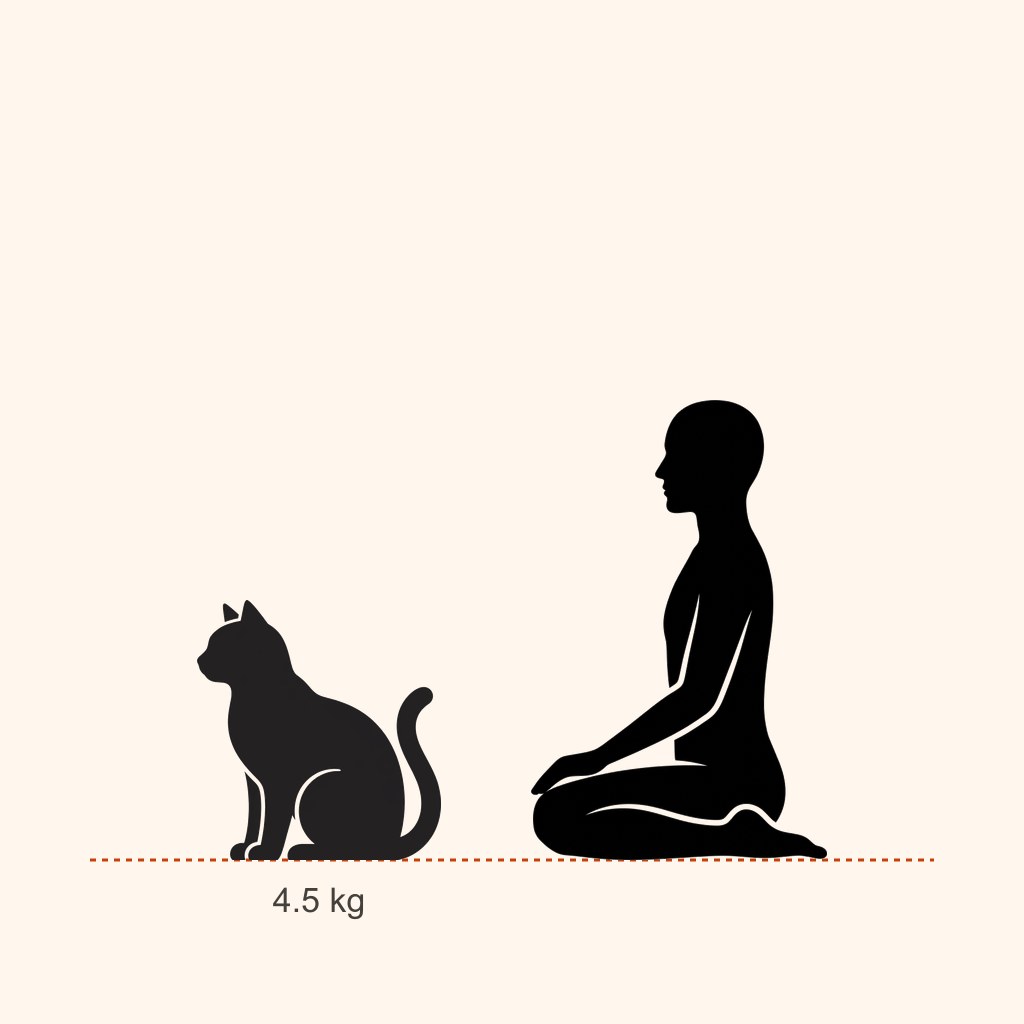
An adult Burmilla is medium-sized (3-6 kg); males can be notably heavier than females.
- Kitten (2-12 months): Kitten food, three to four meals a day.
- Adult: A balanced diet in measured portions; two meals a day is preferable to free-feeding. Portion discipline matters given this breed's tendency toward obesity.
- After spaying/neutering: Reduce portions and weigh monthly.
- Senior (8+ years): A diet set with your vet based on weight and kidney values.
Keep treats limited; this playful breed is easily spoiled with treats, which adds weight quickly.
Grooming and coat
The Burmilla comes in both shorthair and semi-longhair varieties (the semi-longhair is called "Tiffanie" in some registries).
- Brush shorthairs weekly, semi-longhairs two to three times a week.
- Bathing is usually unnecessary; the glossy coat maintains itself naturally.
- Nails every two to three weeks.
- Teeth brushed several times a week.
- Check ears and eyes weekly; the dark "makeup" lines around the nose and eyes are a natural feature, not a sign of illness.
Living space and enrichment
- Daily interactive play. At least two sessions of 10-15 minutes a day; this also helps with weight control.
- A place to climb. A medium-height cat tree satisfies its playful nature.
- Mind games. Puzzle feeders combine weight control with fun.
- A secure home. Netting on windows and balconies; it should live as an indoor cat.
- A social environment. It gets along well with other cats or dogs, so it fits comfortably into multi-pet households.
History
The Burmilla's story begins in the summer of 1981 in the UK, with an unplanned mating: a Chinchilla Persian male belonging to Baroness Miranda von Kirchberg mated with a lilac European Burmese female. The resulting four kittens were black shaded silver, and unexpectedly striking. The Baroness's admiration for their look led to a deliberate breeding program.
The Burmilla Cat Club was founded in 1984, and the breed gained official recognition in Britain in the 1990s (through the GCCF and later the Cat Association of Britain). The CFA accepted the Burmilla for registration in 2011 and granted championship status in 2014. Today, despite recognition by bodies such as TICA, GCCF, FIFe, and the CFA, the Burmilla remains a rare breed worldwide.
This guide is for information only and is not a substitute for veterinary advice. Prices are approximate and vary by region and time.
Adoption Prep Checklist
Housing
-
Cat bed
Cats want a safe space of their own to rest.
-
Cat scratching post
Satisfies the natural scratching instinct and protects furniture.
Feeding
-
Dry/wet cat food
Quality cat food is needed for balanced nutrition.
-
Food and water bowl set
Needed for daily feeding and water access.
Grooming
-
Cat litter and litter box
Essential for the cat's toilet needs.
-
Cat de-shedding brush
Regular brushing reduces hairball formation.
Activity
-
Cat toy
Cats release energy through play.
-
Cat carrier
Needed for safe transport to vet visits.
Frequently Asked Questions
Does the Burmilla shed?
It sheds a moderate amount. Brushing two or three times a week noticeably reduces both loose hair and matting.
Can the Burmilla live in an apartment?
Yes. It lives comfortably in an apartment as long as its daily needs are met. What matters is not floor area but consistent exercise and mental stimulation.
Is the Burmilla good with children?
Generally yes. It adapts well to families with children. Even so, interactions should be supervised and children taught to respect the animal’s boundaries.
Is the Burmilla suitable for first-time cat owners?
Partly. Someone with basic experience will manage well, but it would not be the first choice for a complete beginner.
How much exercise does the Burmilla need?
It needs a moderate amount of exercise. Daily activity plus some play time makes for a balanced routine.
Can the Burmilla be left alone during the day?
It can be left alone for a few hours. Long, routine absences can bring on boredom-driven behaviour problems; enrichment and a predictable routine reduce that risk.
How long does the Burmilla live?
The Burmilla lives 10 - 15 years on average. Diet, regular veterinary check-ups and early screening for hereditary conditions all affect this directly.
Where does the Burmilla come from?
The Burmilla originates from United Kingdom. The geography a breed was developed in, and the job it was bred for, explain much of its temperament and care needs today.