

Somali
The image on this page is AI-generated and does not depict a real animal.
- Species
- Cat
- Origin
- Somalia
- Size
- Medium
- Lifespan
- 12 - 16 years
- Temperament
- Mischievous Determined Intelligent Affectionate Gentle Interactive Loyal
- Description
Lives life to the fullest, very intelligent and curious; gets along well with people and other animals.
- Physical Traits
Long ticked coat (like a long-haired Abyssinian), a bushy tail, a fox-like appearance.
- Care / Environment Info
Lives indoors. Sheds noticeably. Requires moderate grooming, brushing a few times a week recommended. Very high energy, needs plenty of play and stimulation. Very quiet. Generally a healthy breed.
Somali Owner's Guide
Last updated:
Is a Somali right for you?
The Somali is, in short, a "longhaired Abyssinian". It carries the lively, curious, high-energy character of the Abyssinian, which has its own guide on our site, and adds a silky semi-long coat, a full ruff and a bushy, fox-like tail. Despite the name, the breed has no connection with Somalia; it was developed in North America. Don't let the looks fool you: this is a cat that prefers exploring the house to sitting on a lap and wants attention and something to do all day.
| Situation | Suitability | Note |
|---|---|---|
| Apartment | Good | Works, but vertical space and daily play are a must |
| Family with young children | Good | Playful and social; does not much like being held |
| First-time cat owner | Moderate | Easy coat, demanding energy and intelligence |
| Alone 8+ hours a day | Poor | Gets bored and can be prone to separation stress; a second cat helps |
| Household with fur allergies | Poor | Semi-long coat, sheds especially at season changes |
| Owner wanting a calm lap cat | Poor | Likes to be near you but is always on the move |
| Owner able to make time for dental care | Required | Gum disease predisposition is a known issue in this breed |
The most realistic question: can you play actively twice a day, provide climbing space and keep up regular tooth brushing? If you want a quiet ornament for the house, the Somali is the wrong choice.
Before you adopt
When buying a kitten, ask for these genetic test results for the parents:
- PK deficiency (pyruvate kinase): An inherited anaemia documented in Abyssinians and Somalis. It is autosomal recessive; carrier parents look healthy, but two carriers can produce affected kittens. The test is simple.
- PRA-rdAc: Inherited retinal degeneration shared with the Abyssinian; a genetic test is available.
- Renal amyloidosis: CFA notes there is no genetic test for this condition, so ask the breeder about its history in the lines.
The Somali is rare in many countries. Be cautious with "Somali" adverts that cannot show papers and test results. Ruddy, ticked longhaired mixes in shelters can look similar; what matters is the cat's temperament and health, not the breed name.
Temperament
CFA describes the Somali as active, curious and bold. It is intelligent, learns to open cupboard doors and solve problems, follows its owner from room to room and wants to join whatever you are doing.
A vet quoted by PetMD calls the breed very social, with high attention needs. It is affectionate but often dislikes being held, preferring to climb onto your shoulder or stay right next to you.
Its interest in water is striking; it may play with a running tap. It is not as loud as a Siamese and communicates more through body language.
It gets on well with other cats and cat-friendly dogs. Left alone for long periods it can become bored and mischievous; in a working household a compatible second cat is often a good solution.
Health issues and lifespan
PetMD gives a lifespan of 11 to 16 years; sources generally cite 12 to 16. Breed-specific problems to know about:
- Pyruvate kinase (PK) deficiency: An inherited anaemia that shortens red blood cell life. A scientific study reported onset anywhere from 6 months to 5 years of age, with highly variable severity. See a vet for lethargy, pale gums, poor appetite, weight loss, jaundice or an enlarged abdomen. For a cat from untested parents, a one-time test is sensible.
- Gingivitis and juvenile periodontitis: The Merck Veterinary Manual lists Abyssinian and Somali among breeds with increased incidence of periodontitis starting in young cats, typically noticed at 6 to 12 months. Red gum margins, bad breath, bleeding and hesitation while eating are signs. Have an oral exam within the first year after the adult teeth come in, and get the cat used to tooth brushing early.
- Progressive retinal atrophy (PRA): Trouble seeing at night, dilated pupils, bumping into objects. Preventable through genetic testing; request an eye exam if signs appear.
- Renal amyloidosis: Abnormal protein deposits in the kidneys, usually silent until advanced. Increased drinking and urination, weight loss or vomiting call for blood and urine tests.
- Hairballs: Long hair swallowed during grooming. With frequent retching or constipation, comb more; if it persists, consult a vet.
Annual checks should be supported by blood tests including kidney values after age 7 to 8.
Feeding
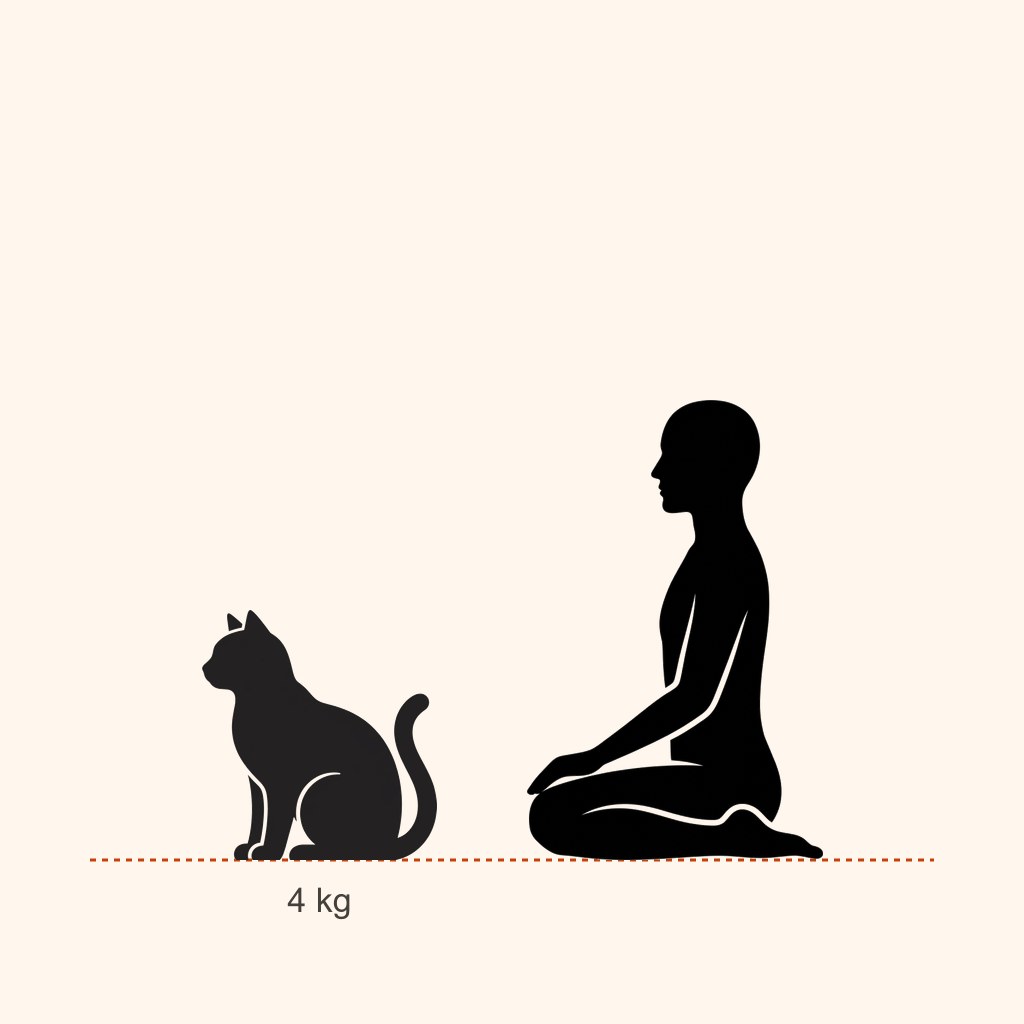
An adult Somali usually weighs around 3 to 4.5 kg. It is slender but muscular; its high energy keeps most individuals lean, but monitor weight after neutering.
- Kitten (2-12 months): Kitten food, 3 to 4 meals a day.
- Adult: High-protein food from animal sources; 2 to 3 measured meals a day. Serving part of the ration in puzzle feeders keeps this clever breed busy.
- Senior (10+ years): A diet set with your vet according to kidney values.
Add wet food to increase water intake; this water-curious breed often likes fountains. Dry food alone does not protect the teeth; brushing does.
Grooming and coat
Although it looks longhaired, the Somali is not hard to groom. CFA notes that the coat does not mat easily and weekly combing is enough.
- Comb once a week: A metal comb removes dead hair. Pay attention to the ruff and under the tail.
- Seasonal shedding: According to PetMD shedding increases in summer; comb two or three times a week then.
- Bathing: Usually unnecessary; occasional baths for cats with oilier coats.
- Tooth brushing: The most important part of care in this breed. Use cat toothpaste several times a week, ideally daily.
- Nails every 2 to 3 weeks; check ears weekly.
Living space and enrichment
- Vertical space. A floor-to-ceiling cat tree and wall shelves; Somalis love to watch from above.
- Daily active play. At least two 15-minute chase sessions with a wand toy.
- Brain games. Puzzle feeders, hidden treats and simple trick training (they can learn with a clicker).
- Cat-proof home. Watch open cupboards, the washing machine and balconies. Fit nets on windows and balconies.
- A companion. For a Somali left alone for long hours, a second cat with matching energy.
In hot summers offer a cool room and plenty of water, and move active play to cooler hours.
History
The Somali comes from the Abyssinian. After the Second World War a recessive longhair gene appeared in some Abyssinian litters. According to Wikipedia the first known longhaired Abyssinian was recorded in North America in 1953. Longhaired kittens were unwanted at first and quietly placed as pets.
In the 1960s American breeder Evelyn Mague championed developing them as a separate breed and named it after Somalia, the neighbour of Ethiopia (Abyssinia), which gave the Abyssinian its name. CFA began registering the breed in 1976 and granted championship status in 1979; European acceptance followed in the early 1980s.
Today Somalis are bred in ticked tabby colours such as ruddy, cinnamon (sorrel), blue and fawn. Because of their close kinship, the health picture of the two breeds largely overlaps, and the genetic testing advice in our Abyssinian guide applies to the Somali too.
This guide is for information only and is not a substitute for veterinary advice. Prices are approximate and vary by region and time.
Adoption Prep Checklist
Housing
-
Cat bed
Cats want a safe space of their own to rest.
-
Cat climbing tree
Satisfies the natural scratching instinct and protects furniture.
Feeding
-
Dry/wet cat food
Quality cat food is needed for balanced nutrition.
-
Food and water bowl set
Needed for daily feeding and water access.
Grooming
-
Cat litter and litter box
Essential for the cat's toilet needs.
-
Cat de-shedding brush
Regular brushing reduces hairball formation.
Activity
-
Interactive cat toy
Cats release energy through play.
-
Cat carrier
Needed for safe transport to vet visits.
Frequently Asked Questions
Does the Somali shed?
It sheds heavily, especially at seasonal changes. Expect near-daily brushing and regular cleaning at home; it is not a good choice for anyone sensitive to pet hair.
Can the Somali live in an apartment?
Yes. It lives comfortably in an apartment as long as its daily needs are met. What matters is not floor area but consistent exercise and mental stimulation.
Is the Somali good with children?
Generally yes. It adapts well to families with children. Even so, interactions should be supervised and children taught to respect the animal’s boundaries.
Is the Somali suitable for first-time cat owners?
Partly. Someone with basic experience will manage well, but it would not be the first choice for a complete beginner.
How much exercise does the Somali need?
It is high-energy and needs vigorous daily activity. Mental stimulation matters as much as physical exercise; without enough to do, destructive behaviour follows.
Can the Somali be left alone during the day?
It can be left alone for a few hours. Long, routine absences can bring on boredom-driven behaviour problems; enrichment and a predictable routine reduce that risk.
How long does the Somali live?
The Somali lives 12 - 16 years on average. Diet, regular veterinary check-ups and early screening for hereditary conditions all affect this directly.
Where does the Somali come from?
The Somali originates from Somalia. The geography a breed was developed in, and the job it was bred for, explain much of its temperament and care needs today.