

Turkish Van
The image on this page is AI-generated and does not depict a real animal.
- Species
- Cat
- Origin
- Turkey
- Size
- Large
- Lifespan
- 12 - 17 years
- Temperament
- Agile Intelligent Loyal Playful Energetic
- Description
Loves jumping, climbing and playing with toys; known for its fondness of water.
- Physical Traits
Medium-long coat, mostly white with color only on the head and tail (the 'van pattern'), often odd-eyed.
- Care / Environment Info
Lives indoors. Sheds moderately. Easy to care for, brushing once a week is enough. Very high energy, needs plenty of play and stimulation. Very talkative and can meow loudly. Generally a very healthy breed.
Turkish Van Owner's Guide
Last updated:
Is a Turkish Van right for you?
The Turkish Van is one of Türkiye's two native cat breeds and is known worldwide as "the swimming cat". Energetic, athletic, and strong-willed. The wrong choice for someone looking for a calm lap cat; a perfect one for someone looking for a playmate.
| Situation | Suitability | Note |
|---|---|---|
| Apartment | Moderate | Possible, but it climbs and runs a great deal; it needs space and vertical layout |
| Family with young children | Good | Playful; but it dislikes being held against its will |
| First-time cat owner | Moderate | An independent and strong-willed breed |
| Alone 8+ hours a day | Moderate | Independent, but gets into mischief when bored |
| Household with fur allergies | Poor | Semi-long coat; sheds heavily with the seasons |
| Quiet and tidy home | Poor | It lives on high shelves and knocks things over |
| Owner who dislikes water | Caution | This breed really does get into water, jumps into the bath, dives at the tap |
The Turkish Van's best-known trait is its relationship with water. It is not a myth: much of this breed is curious about water, swims, and treats a bath as play. Adopt knowing that.
Before you adopt
The Turkish Van is a protected breed in Türkiye. The Van Cat Research and Application Centre at Van Yüzüncü Yıl University breeds to conserve the pure line, and rehoming is subject to specific rules.
Important warning: the name "Van cat" is used very loosely. Not every white, odd-eyed cat is a Turkish Van. A genuine Turkish Van has distinct features: a semi-long silky coat with a cashmere texture, a triangular head, and a long plumed tail. The eyes may be blue, amber, or one of each; odd eyes are not a requirement of the breed.
Because of the deafness risk associated with white coats and blue eyes, ask whether BAER testing has been done, or have it done as a kitten.
Temperament
The Turkish Van is energetic, athletic, and strong-willed. It loves high places; the top of the wardrobe, the closet, and the bookcase are its territory. Its jumping power is impressive.
It is attached to its owner but on its own terms. It does not like being forced onto a lap; it comes to you, makes contact, and then returns to its own business. Read this as the style of an independent breed rather than coldness.
It loves play and does not give it up in adulthood. Individuals that learn to fetch are common.
It has a voice and uses it. It is wary of strangers but is not a cat that hides.
The kitten period is long; the Turkish Van matures fully at three to five years.
Health issues and lifespan
Average lifespan is 12 to 17 years. As a natural breed its genetic burden is lower than that of selectively bred breeds.
- Deafness: The combination of a white coat and blue eyes is associated with hereditary deafness in cats. In individuals with a single blue eye, deafness may occur in the ear on that side. A deaf cat leads a normal life but must be kept strictly indoors; unable to hear, it is defenceless outside. It can be checked as a kitten with a BAER test.
- Hypertrophic cardiomyopathy (HCM): A general risk in cats; periodic cardiac checks are recommended.
- Sunburn and skin cancer: The white coat and unpigmented ear tips are sensitive to sun. In individuals that sunbathe at a window for long periods, crusting and sores can develop on the ear tips.
- Obesity: It gains weight if activity drops after neutering.
- Dental and gum disease: A general risk in cats.
Feeding
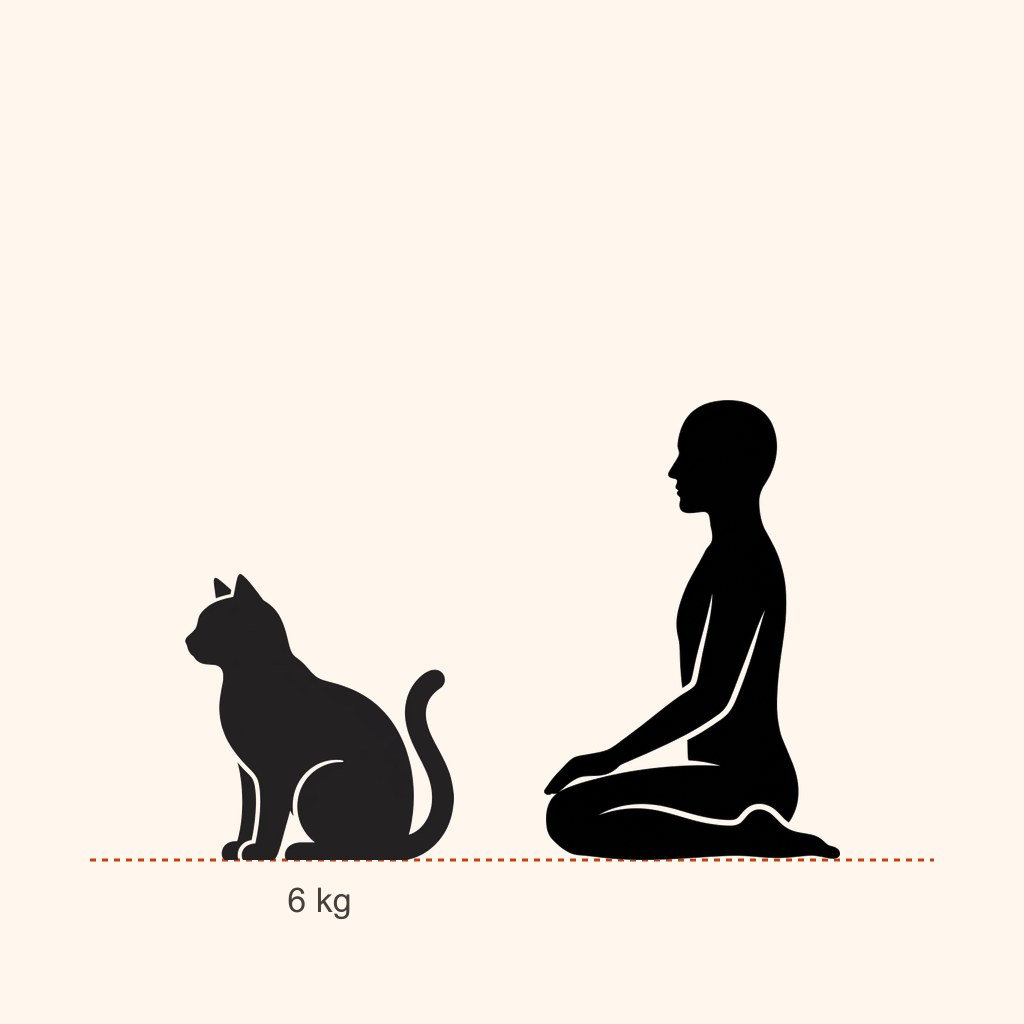
An adult Turkish Van (4-8 kg; males are markedly larger) needs the energy equivalent of 60-90 g of dry food per day. Being an active breed, its energy needs are above average.
- Kitten (2-15 months): Kitten food; this breed grows slowly, so do not switch early.
- Adult: High protein, low carbohydrate.
- Senior (9+ years): Annual monitoring of kidney values.
Water intake is generally good in this breed; its interest in water helps hydration. A fountain-type bowl is particularly appreciated.
Grooming and coat
The semi-long coat is easier to care for than that of long-haired breeds because there is almost no undercoat.
- Brush once or twice a week; daily during the spring moult.
- The winter coat is largely shed in summer; the summer appearance differs greatly from the winter one, and this is normal.
- The tail is long-haired and should be brushed.
- Bathing is generally unnecessary, and because this breed already likes water it causes no trouble.
- Nails every two to three weeks; this is a cat that climbs a great deal, and nail care matters for the furniture too.
- Teeth several times a week.
- Monthly ear checks.
Living space and enrichment
The household layout for this breed should be built vertically:
- A tall cat tree. A spot near the ceiling is a need for this cat, not a luxury. Wall shelves also work.
- Put breakables away. The Turkish Van walks along high shelves and pushes off whatever is in front of it. This is not personal; it is a breed trait.
- Active play twice a day. Wand toys, running, chasing. A Turkish Van whose energy is not spent runs at night.
- Water toys. A shallow basin, a fountain, a floating toy. Genuine enrichment for this breed.
- A safe window. A screen is essential; this cat jumps from windows.
- Food puzzles. An intelligent breed that enjoys hunting simulation.
It should not be let outside. The white coat carries both sun and visibility risks, and for deaf individuals the outdoors is lethal.
History
The Turkish Van is a native breed that developed naturally around Lake Van. It adapted to the region's harsh winters and hot summers, developing a coat that changes with the season. Its relationship with water is thought to be connected to life around Lake Van.
The breed became known in the West in 1955: the British photographers Laura Lushington and Sonia Halliday, working in Türkiye, took home two cats they had been given and introduced the breed there. The name "Turkish Van" became established during this process.
In Türkiye the breed's pure line has been protected since the 1990s at the centre within Van Yüzüncü Yıl University. Today the breed's greatest threat is not extinction but the misuse of its name: white street cats being sold as Van cats makes the genuine line harder to recognise.
The classic "Van pattern" on the coat, with colour only on the head and tail and a white body, takes its name from this breed and has become a general term in cat genetics.
This guide is for information only and is not a substitute for veterinary advice. Prices are approximate and vary by region and time.
Adoption Prep Checklist
Housing
-
Cat bed
Cats want a safe space of their own to rest.
-
Cat climbing tree
Satisfies the natural scratching instinct and protects furniture.
Feeding
-
Dry/wet cat food
Quality cat food is needed for balanced nutrition.
-
Food and water bowl set
Needed for daily feeding and water access.
Grooming
-
Cat litter and litter box
Essential for the cat's toilet needs.
-
Cat de-shedding brush
Regular brushing reduces hairball formation.
Activity
-
Interactive cat toy
Cats release energy through play.
-
Cat carrier
Needed for safe transport to vet visits.
Frequently Asked Questions
Does the Turkish Van shed?
It sheds a moderate amount. Brushing two or three times a week noticeably reduces both loose hair and matting.
Can the Turkish Van live in an apartment?
Yes. It lives comfortably in an apartment as long as its daily needs are met. What matters is not floor area but consistent exercise and mental stimulation.
Is the Turkish Van good with children?
Generally yes. It adapts well to families with children. Even so, interactions should be supervised and children taught to respect the animal’s boundaries.
Is the Turkish Van suitable for first-time cat owners?
Yes. Its care and training are relatively forgiving, which makes it a sound choice for first-time owners.
How much exercise does the Turkish Van need?
It is high-energy and needs vigorous daily activity. Mental stimulation matters as much as physical exercise; without enough to do, destructive behaviour follows.
Can the Turkish Van be left alone during the day?
It can be left alone for a few hours. Long, routine absences can bring on boredom-driven behaviour problems; enrichment and a predictable routine reduce that risk.
How long does the Turkish Van live?
The Turkish Van lives 12 - 17 years on average. Diet, regular veterinary check-ups and early screening for hereditary conditions all affect this directly.
Where does the Turkish Van come from?
The Turkish Van originates from Turkey. The geography a breed was developed in, and the job it was bred for, explain much of its temperament and care needs today.