

Akita
The image on this page is AI-generated and does not depict a real animal.
- Species
- Dog
- Origin
- Japan
- Size
- Very Large
- Lifespan
- 10-12 years
- Temperament
- Loyal brave confident dignified
- Description
Large, powerful and extremely loyal; considered a symbol of honor and protection in Japan.
- Physical Traits
Thick double coat (various colors), a large muscular body, a curled tail, small upright ears.
- Care / Environment Info
A house with a garden is preferred. Its double coat sheds heavily, requiring regular brushing. Moderate-to-high exercise needs. Can be dominant toward other dogs, so early and thorough socialization is important.
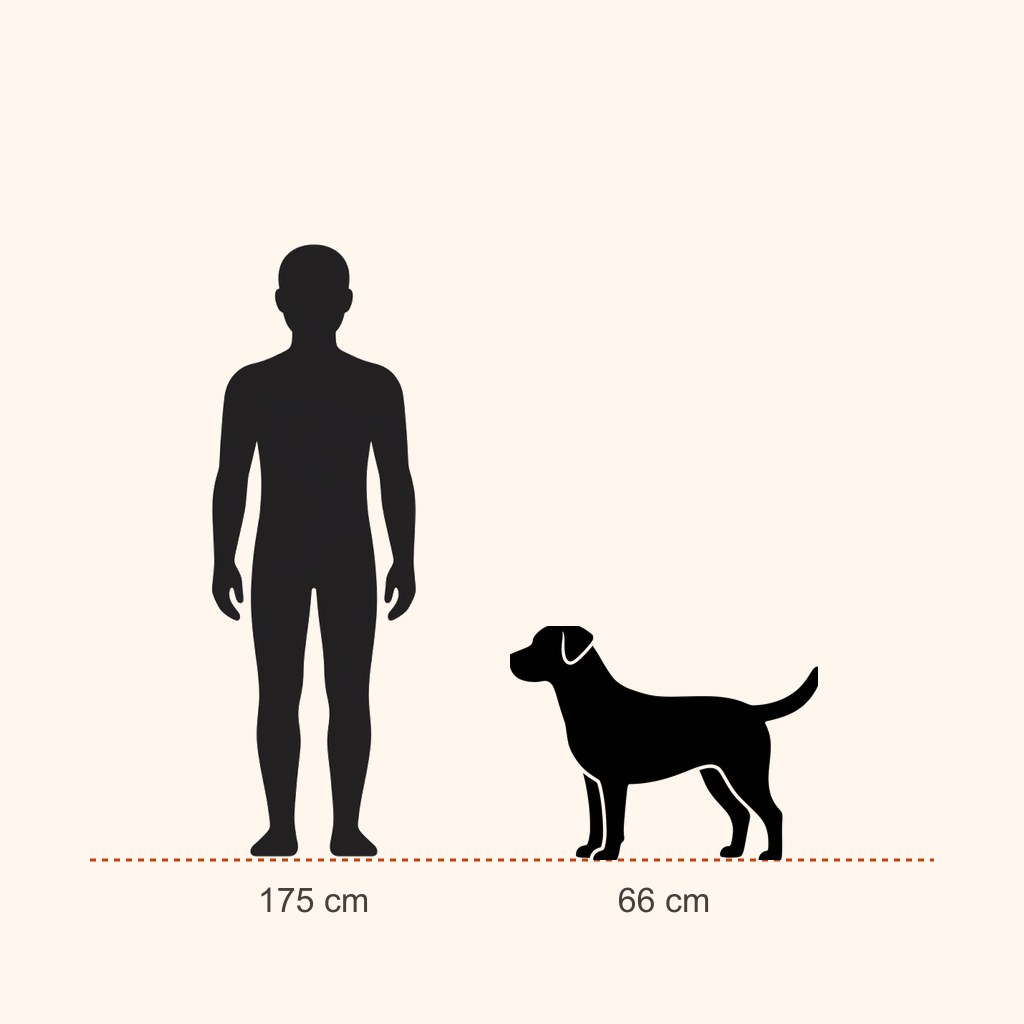
Akita Owner's Guide
Last updated:
Is an Akita right for you?
The Akita is a large, powerful and dignified dog from northern Japan. The loyalty made famous by the Hachiko story is real, but it is directed only at its own family. It is aloof with strangers and often intolerant of other dogs. For someone looking for "a big dog that loves everyone", the Akita is the wrong choice.
| Situation | Suitability | Note |
|---|---|---|
| Apartment | Poor | A 30-50+ kg independent dog; a long daily walk is essential |
| Family with young children | Caution | May bond with its own children; can mistake visiting children's play for a threat |
| First-time dog owner | Not suitable | Strong, stubborn and protective; experience is required |
| Home with another dog | Poor | Intolerance of other dogs, especially of the same sex, is noted in the breed standard |
| Home with cats or small pets | Poor | Prey drive can be strong |
| Household with fur allergies | Not suitable | Dense double coat with heavy seasonal shedding twice a year |
| Hot climate | Caution | A cold-climate dog; needs cool space and careful walk timing in summer |
The Akita's quietness is deceptive: it barks little and seems calm, but when it perceives a threat it reacts quickly and decisively. Its owner must be able to read that reaction in advance.
Before you adopt
Two different Akitas: Since 2006 the FCI has recognised the Japanese Akita (Akita Inu) and the American Akita as separate breeds. The American type is larger and heavier-boned and may have a black mask; the Japanese type is lighter with a more fox-like face. The American Kennel Club still registers both under the single name "Akita". Know which one you are getting; the difference in size and look is clear.
From a breeder: Ask for the parents' hip and elbow evaluations, thyroid testing and eye examination results. Meet the mother; an overly fearful or aggressive mother is a warning sign for the puppy.
Legal status: The Akita is not restricted in most countries, but some treat it as a regulated breed. In Spain, for example, the Akita Inu is on the list of potentially dangerous breeds that require a licence. Check local laws, especially if you plan to move abroad.
Rehoming: Akitas regularly end up in rescue because owners "could not cope". Knowing in advance how an adult Akita behaves with other dogs and children is a big advantage.
Temperament
The Akita is dignified, courageous and self-assured. It is deeply devoted to its family, but shows it through quiet closeness rather than clinginess. It usually wants to be in the same room without demanding constant attention.
It is reserved and watchful with strangers. Accepting a visitor takes time, and forcing it backfires.
The AKC breed standard states plainly that Akitas may be intolerant of other dogs, particularly of the same sex. Dog parks are not a suitable environment for this breed.
It is independent and gets bored with repetitive commands. It is intelligent but asks "why should I?". Short, engaging, reward-based training works; pressure leads to stubbornness and loss of trust.
Its thick coat and bulk make it look like a teddy bear, which tempts children and strangers to hug it without asking. An Akita will not always tolerate this; it is your job to protect its boundaries.
Health issues and lifespan
Average lifespan is usually given as 10 to 12 years; some sources report up to 14.
- Gastric dilatation-volvulus (bloat): The most urgent emergency in this deep-chested breed. Retching without vomiting, pacing, heavy drooling, a swollen abdomen. It can be fatal within hours; go to a vet immediately.
- Hip dysplasia: Hind-leg lameness, difficulty rising and on stairs. Controlled growth in puppyhood lowers the risk.
- Hypothyroidism: Weight gain, lethargy, seeking warmth, dry coat, recurring skin and ear infections. Diagnosed by blood test and managed with lifelong medication.
- Sebaceous adenitis: Inflammation of the skin glands; hair loss, scaling, dandruff and secondary skin infections. There is no cure, but regular care keeps it under control.
- Uveodermatologic syndrome (VKH-like): An immune-mediated disease known in Akitas. Red, watery or cloudy eyes and loss of pigment on the nose, lips and around the eyes. The eye signs can progress quickly to blindness; see a vet as soon as you notice any eye change.
- Eye problems: Microphthalmia (small eyes), entropion and progressive retinal atrophy occur.
- Tarsal hyperextension: The hock joint flexes forward abnormally; have the dog examined if you notice looseness in the hind legs when walking.
Because immune-related diseases (thyroiditis, sebaceous adenitis, uveitis) can cluster in the breed, blood tests and an eye exam at the annual check-up are worthwhile.
Feeding
An adult Akita (roughly 32-55 kg) eats around 400-700 g of quality dry food per day, depending on the food's energy content. Use the bag's table as a starting point and keep the ribs easy to feel; the thick coat hides extra weight.
- Puppy (2-18 months): Large-breed puppy food. It slows growth without changing final size and may reduce the severity of joint problems. Do not add calcium supplements.
- Adult: Two, preferably three, meals a day. Smaller, divided meals are recommended to lower bloat risk.
- Senior (7+ years): Reduce calories and monitor weight and joints.
Avoid strenuous exercise for at least an hour before and after meals. Use a slow-feeder bowl for dogs that gulp their food.
If there are other animals, feed the Akita in a separate room; it may guard its food.
Grooming and coat
- Dense double coat. Brush at least once, preferably several times, a week in normal periods.
- Twice a year the undercoat comes out in clumps; during those weeks daily use of an undercoat rake is needed.
- Do not shave. The double coat insulates; shaving does not protect from heat and can cause skin problems.
- Bathe rarely, and dry the undercoat completely; damp coat sets the stage for skin infections.
- Nails monthly, ears weekly.
- Hot summers: Keep the dog indoors in the midday heat and provide shade and cool flooring. Rapid panting, stumbling and heavy drooling are signs of heatstroke.
Training and exercise
Daily requirement: a long walk or gentle jog, 1 to 1.5 hours in total. The Akita needs exercise less to tire out than for regular movement and mental stimulation.
Priorities:
- Socialisation (8-16 weeks and beyond). People, sounds, places and calm, controlled encounters with dogs. Poor socialisation can turn protectiveness into aggression in this breed.
- Leash discipline. Holding an adult Akita that pulls takes real strength; loose-lead training starts in puppyhood.
- No off-lead freedom. Because of its reaction to other dogs and its prey drive, letting it off lead in unfenced areas is risky.
- Controlled greetings. Build routines, such as going to a set place when the door opens.
- Handling. Teeth, ears and paws; it makes vet visits with a large dog safe.
Harsh methods do not work with Akitas and are dangerous; the dog loses trust and may become defensive. You need to be a calm, consistent and firm leader.
History
The Akita's roots lie in the mountainous Tohoku region of northern Japan, with the Matagi dogs used to hunt bear, wild boar and serow. During the Edo period the Satake clan in the region reportedly also used these dogs for fighting.
In 1931 the breed was declared a natural monument of Japan. Hachiko, who waited for years at Shibuya Station after his owner died in 1925, made the breed known worldwide.
The breed almost disappeared during the Second World War; some breeders crossed dogs with German Shepherds to save them. After the war, Japanese breeders aimed to restore a more Japanese look, while dogs taken to America developed into a larger, heavier-boned line. Helen Keller brought an Akita to the United States in 1937, helping to raise the breed's profile. The two lines drifted apart, and in 2006 the FCI recognised the American Akita as a separate breed.
This guide is for information only and is not a substitute for veterinary advice. Prices are approximate and vary by region and time.
Adoption Prep Checklist
Housing
-
Large-breed dog bed
A comfortable bed supports joint health.
Feeding
-
Large-breed dog food
Food matched to breed size gives the right nutritional balance.
-
Food and water bowl set
Needed for daily feeding and water access.
Grooming
-
De-shedding brush
Regular brushing reduces shedding and matting.
-
Dog nail clippers
Regular nail care matters for healthy walking.
-
Dog shampoo
Use a dog-specific shampoo for skin and coat health.
Walking & Activity
-
Running/exercise dog harness
Needed for safe walks.
-
Interactive dog puzzle toy
Mental and physical stimulation reduces behavior problems.
Frequently Asked Questions
Does the Akita shed?
It sheds heavily, especially at seasonal changes. Expect near-daily brushing and regular cleaning at home; it is not a good choice for anyone sensitive to pet hair.
Can the Akita live in an apartment?
Possible but not ideal. A house with outdoor space is preferable; in an apartment you will need to increase daily exercise substantially.
Is the Akita good with children?
Caution is warranted. With proper socialisation and adult supervision it can live with children, but it is not a first choice for homes with young children.
Is the Akita suitable for first-time dog owners?
No — it suits experienced owners. Its character, energy or care requirements would be demanding for a first-time owner.
How much exercise does the Akita need?
It is high-energy and needs vigorous daily activity. Mental stimulation matters as much as physical exercise; without enough to do, destructive behaviour follows.
Can the Akita be left alone during the day?
It tolerates being alone well. That makes it workable for someone employed full time, though it will still expect attention and activity on your return.
How long does the Akita live?
The Akita lives 10-12 years on average. Diet, regular veterinary check-ups and early screening for hereditary conditions all affect this directly.
Where does the Akita come from?
The Akita originates from Japan. The geography a breed was developed in, and the job it was bred for, explain much of its temperament and care needs today.