

Alaskan Malamute
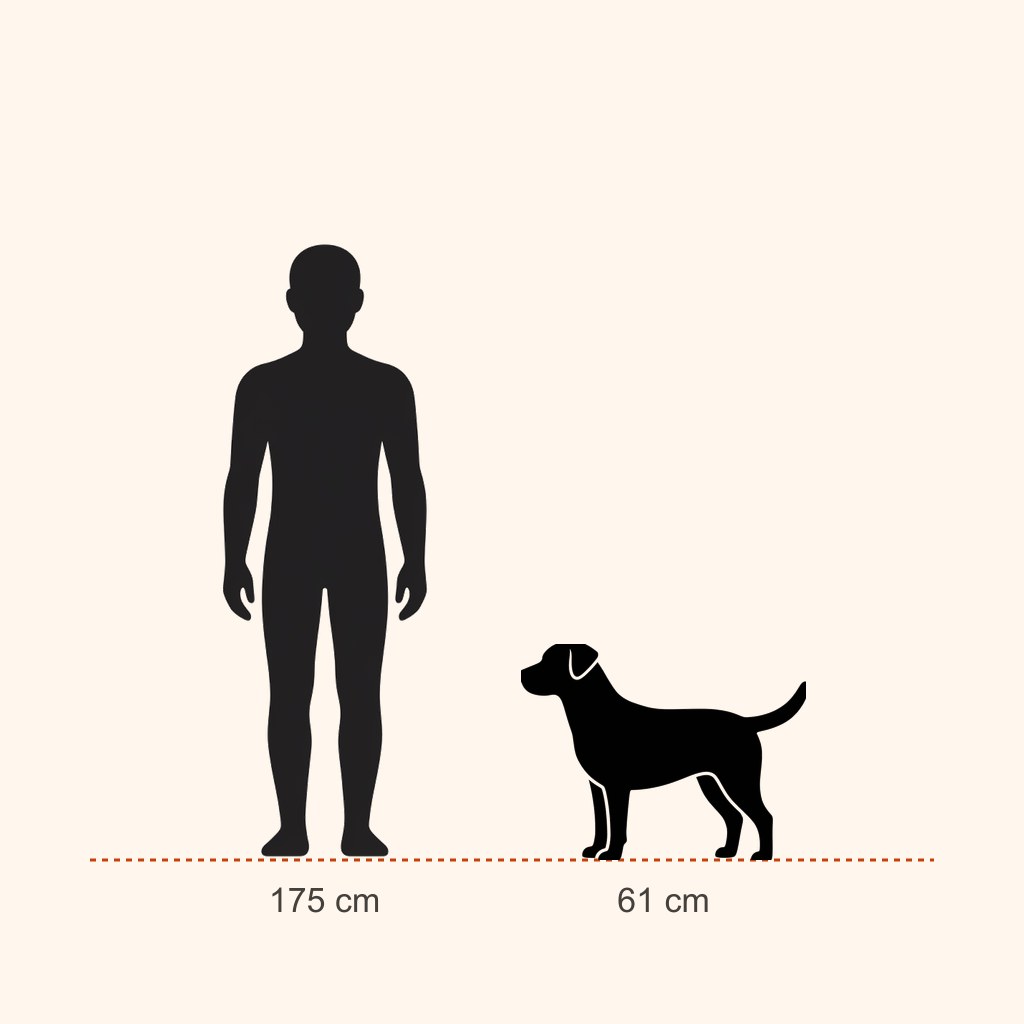
The image on this page is AI-generated and does not depict a real animal.
- Species
- Dog
- Origin
- United States (Alaska)
- Size
- Large
- Lifespan
- 10-14 years
- Temperament
- Affectionate loyal energetic independent
- Description
Bred for hauling heavy loads, this strong and hardy sled dog.
- Physical Traits
Thick double coat (grey-white or black-white), a wolf-like facial mask pattern, a large muscular body.
- Care / Environment Info
A house with a garden in a cool climate is preferred. Its double coat sheds heavily, requiring frequent brushing. High exercise needs. May display digging behavior, secure fencing is important.
Alaskan Malamute Owner's Guide
Last updated:
Is an Alaskan Malamute right for you?
The Alaskan Malamute is a large, immensely strong sled dog bred to haul heavy loads in the Arctic. Its wolf-like looks and friendly face attract a lot of attention, but it is one of the hardest breeds to fit into hot, crowded city life. Its dense coat, high energy and strong prey drive mean the owner has to shape their lifestyle around this dog.
| Situation | Suitability | Note |
|---|---|---|
| Apartment | Not suitable | A 35-40 kg, very active dog that howls loudly |
| Family with young children | Moderate | Friendly with people, but big and boisterous; can easily knock a child over |
| First-time dog owner | Poor | Independent and stubborn; experience handling a powerful dog is needed |
| Home with cats or small pets | Poor | Strong prey drive |
| Looking for a guard dog | Not suitable | Friendly to strangers too; not a protection dog |
| Household with fur allergies | Not suitable | Sheds very heavily |
| Hot and humid climate | Poor | Serious heat-stress risk without a cooled environment in summer |
Remember that the Malamute is built for pulling rather than speed: it is not fast like a Husky, but enduring and powerful. You will feel it when it pulls on the lead.
Before you adopt
The climate question: In cool regions and highlands a Malamute can be comfortable. Where summers are long and hot, such as on Mediterranean coasts, can you keep the dog in an air-conditioned or cool space all day? If not, this breed is not for you.
From a breeder: Ask for the parents' hip evaluations and eye examination results. The breed club recommends testing breeding dogs for polyneuropathy and chondrodysplasia. Avoid any seller who has not heard of these tests.
Not a Husky: The Malamute is noticeably larger and heavier than the Siberian Husky; its eyes are brown, and blue eyes are a disqualification under the AKC standard. Puppies sold as "giant Huskies" or "blue-eyed Malamutes" are usually mixes.
Legal status: The Malamute is not on restricted-breed lists in most countries, including Turkey.
Temperament
The AKC breed standard describes the Malamute as affectionate, friendly and "not a one-man dog". It carries itself with dignity as an adult but stays playful. It bonds with everyone in the household and usually welcomes visitors too.
It is independent and strong-willed. As a freighting dog it is determined, and that determination shows up as stubbornness in training.
Rather than barking, it "talks": howling, grumbling and "woo-woo" sounds. In close neighbourhoods this can be a problem.
Its prey drive is strong. Cats, chickens and small animals are at risk. It can be dominant and reactive towards unfamiliar dogs and animals.
Digging and escaping are common. A bored Malamute digs up the garden and gets under or over the fence.
Health issues and lifespan
Average lifespan is given as 10 to 14 years depending on the source; VCA states 10 to 12.
- Hip dysplasia: Lameness, difficulty standing, unusual sitting postures. Controlled growth in puppyhood and a lean weight are protective.
- Polyneuropathy: An inherited disorder of the nervous system. Frequent falling, walking on the tops of the feet, abnormal gait, exercise intolerance. It usually starts in the hind legs and has no cure. If you see these signs, ask for a neurological examination.
- Chondrodysplasia: A genetic disease causing limb deformities and dwarfism in puppies. It is prevented by testing the parents; if you notice bowed front legs in a puppy, show it to a vet.
- Hypothyroidism: Weight gain without a change in diet, lethargy, seeking warmth, dry and brittle coat, frequent skin and ear infections.
- Eye problems: Cataracts, progressive retinal atrophy and corneal dystrophy occur. Cloudiness in the eyes or bumping into things in the dark needs attention.
- Cone degeneration (day blindness): Difficulty seeing in bright light while vision in dim light is normal. Usually noticed in puppyhood.
- Heatstroke: Not a disease, but this breed's most real risk. Rapid panting, bright red tongue, stumbling or vomiting: cool the dog and go to a vet immediately.
Feeding
An adult Malamute (roughly 34-40 kg) eats around 400-600 g of quality dry food per day depending on activity. Needs rise sharply in sledding or very active dogs and fall in pet dogs.
- Puppy (2-18 months): Large-breed puppy food, three meals a day. Rapid weight gain harms hip development.
- Adult: Two meals a day; do not free-feed. A Malamute that exercises less gains weight easily.
- Senior (8+ years): Reduce calories and monitor joints and weight.
As a large, deep-chested dog, avoid strenuous exercise just before and after meals.
When exercise drops in summer, reduce portions too. Fresh, cool water must always be available.
Grooming and coat
According to the AKC standard, the coat is double: a soft, dense undercoat under a coarse, straight outer coat.
- Brush several times a week in normal periods; PetMD recommends daily brushing.
- Once or twice a year there is a heavy moult, with the undercoat coming out in clumps for weeks. During this time an undercoat rake is needed daily.
- Never shave. The double coat insulates and protects from the sun; shaving does not help with heat.
- Bathe every six to eight weeks or as needed, and dry the undercoat completely.
- Ears weekly, nails monthly.
- Summer management: Cool indoor space, shade, cool flooring, walks early in the morning and late at night. No exercise in the midday heat.
Training and exercise
Daily requirement: at least 1.5 to 2 hours of activity. Long walks, running in a fenced area, weight pulling and sled sports are what this breed loves most. Do them when it is cool.
Priorities:
- Pulling work. Sledding, cart pulling or weight pulling with a proper harness meets the Malamute's natural need. No heavy loads until growth is complete.
- Leash discipline. Teach a dog born to pull to walk on a loose lead during puppyhood.
- No off-lead freedom. Because of its prey drive and independence, letting it loose in unfenced areas is risky; recall cannot be trusted.
- Socialisation. Controlled, positive experiences with other dogs; manage dominant reactions early.
- Mental work. Scent games, food puzzles and short trick sessions reduce boredom and digging.
- A secure fence. High and reinforced so it cannot be dug under.
Malamutes tire of repetition quickly. Short, varied, reward-based sessions work; harsh methods increase stubbornness.
History
The Alaskan Malamute takes its name from the Mahlemut people of Alaska's northwest coast. These dogs hauled heavy loads and helped hunt large game.
During the gold rush, demand for sled dogs soared and Malamutes were heavily crossed with other breeds; the pure type almost disappeared. In the 1920s breeders rebuilt the breed from the remaining dogs, and the AKC recognised it in 1935.
In the Second World War Malamutes were used for hauling supplies and in search and rescue. The AKC standard still stresses that the dog's function as a heavy freighting sledge dog in the Arctic must be given consideration above all else.
This guide is for information only and is not a substitute for veterinary advice. Prices are approximate and vary by region and time.
Adoption Prep Checklist
Housing
-
Large-breed dog bed
A comfortable bed supports joint health.
Feeding
-
Large-breed dog food
Food matched to breed size gives the right nutritional balance.
-
Food and water bowl set
Needed for daily feeding and water access.
Grooming
-
De-shedding brush
Regular brushing reduces shedding and matting.
-
Dog nail clippers
Regular nail care matters for healthy walking.
-
Dog shampoo
Use a dog-specific shampoo for skin and coat health.
Walking & Activity
-
Running/exercise dog harness
Needed for safe walks.
-
Interactive dog puzzle toy
Mental and physical stimulation reduces behavior problems.
Frequently Asked Questions
Does the Alaskan Malamute shed?
It sheds heavily, especially at seasonal changes. Expect near-daily brushing and regular cleaning at home; it is not a good choice for anyone sensitive to pet hair.
Can the Alaskan Malamute live in an apartment?
Possible but not ideal. A house with outdoor space is preferable; in an apartment you will need to increase daily exercise substantially.
Is the Alaskan Malamute good with children?
Generally yes. It adapts well to families with children. Even so, interactions should be supervised and children taught to respect the animal’s boundaries.
Is the Alaskan Malamute suitable for first-time dog owners?
No — it suits experienced owners. Its character, energy or care requirements would be demanding for a first-time owner.
How much exercise does the Alaskan Malamute need?
It is high-energy and needs vigorous daily activity. Mental stimulation matters as much as physical exercise; without enough to do, destructive behaviour follows.
Can the Alaskan Malamute be left alone during the day?
It can be left alone for a few hours. Long, routine absences can bring on boredom-driven behaviour problems; enrichment and a predictable routine reduce that risk.
How long does the Alaskan Malamute live?
The Alaskan Malamute lives 10-14 years on average. Diet, regular veterinary check-ups and early screening for hereditary conditions all affect this directly.
Where does the Alaskan Malamute come from?
The Alaskan Malamute originates from United States (Alaska). The geography a breed was developed in, and the job it was bred for, explain much of its temperament and care needs today.