

American Bulldog
The image on this page is AI-generated and does not depict a real animal.
- Species
- Dog
- Origin
- United States
- Size
- Large
- Lifespan
- 12-14 years
- Temperament
- Loyal brave protective friendly
- Description
Known for its strong, muscular build, a breed originally raised as a farm/guard dog.
- Physical Traits
Short dense coat (patches on a white background), a broad strong head, a very muscular body.
- Care / Environment Info
A house with a garden is preferred. Its short coat sheds little, easy to maintain. High exercise needs.
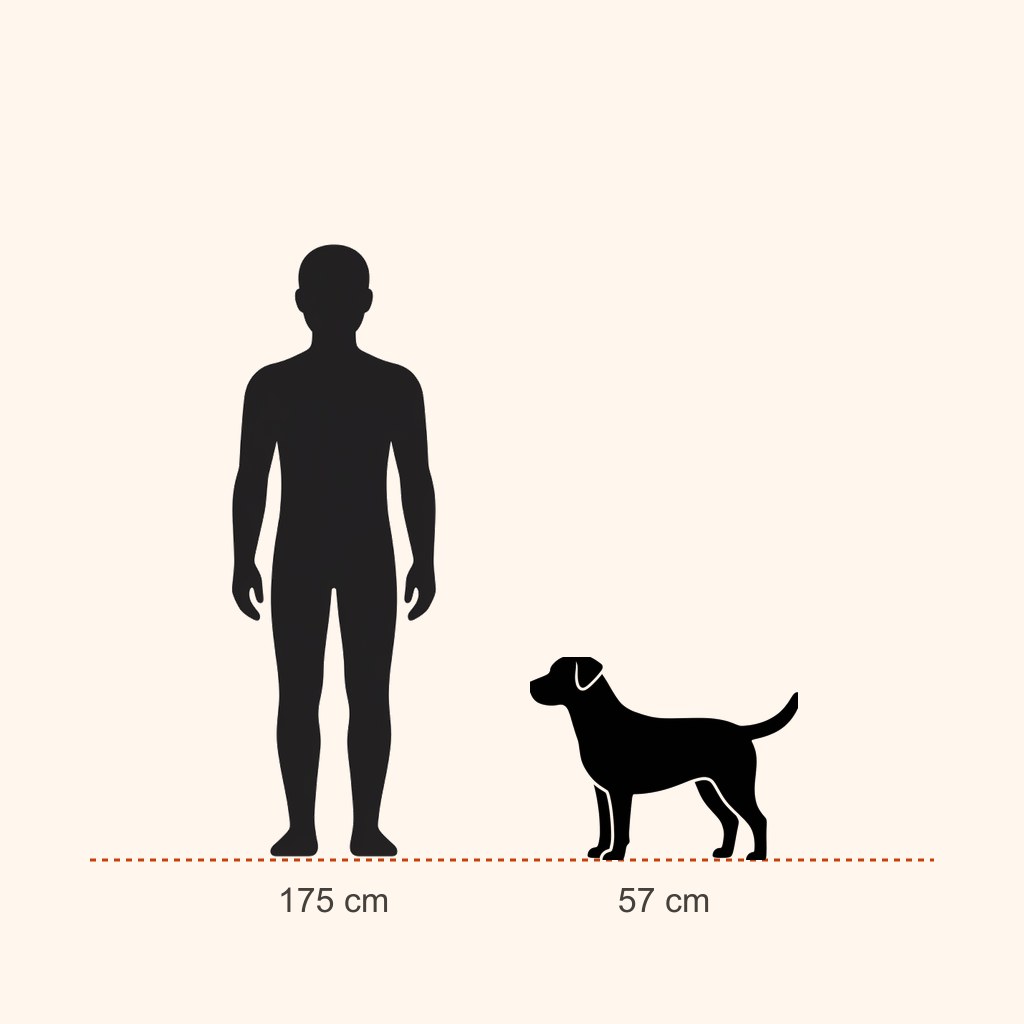
American Bulldog Owner's Guide
Last updated:
Is an American Bulldog right for you?
Despite its large, muscular build, the American Bulldog is a deeply devoted, playful family dog. The name can be misleading: this breed is structurally very different from the short-legged, extremely short-nosed English Bulldog. It is athletic, long-legged, and agile, bred as a working farm dog. Its breathing problems are far less severe than the English Bulldog's, though its shorter muzzle still means it is not fully heat-proof.
| Situation | Suitability | Note |
|---|---|---|
| House with a yard | Excellent | Needs space to burn off its energy |
| Apartment | Moderate | Workable with committed daily exercise, but not ideal |
| Family with young children | Good | Loyal and patient with its family; size and strength call for supervision during play |
| First-time dog owner | Caution | Powerful jaw, high energy, and protective instinct call for an experienced owner |
| Household with other dogs | Caution | Some individuals can be reactive toward unfamiliar dogs; early socialisation is essential |
| Alone 8+ hours a day | Poor | Bonds closely with its family and dislikes prolonged solitude |
| Hot climate | Moderate | Not as at-risk as the English Bulldog, but its shorter muzzle still calls for caution in peak heat |
| Household with fur allergies | Good | Short coat, low shedding |
In short, this is an energetic, powerful, protective family dog. What it needs is not necessarily acreage, but consistent exercise, clear boundaries, and early socialisation.
Before you adopt
Legal status. The American Bulldog is not on Turkey's list of dangerous/prohibited breeds — that list covers only the American Pit Bull Terrier, Dogo Argentino, Fila Brasileiro, Japanese Tosa, American Staffordshire Terrier, and American Bully. It is a different breed and can be freely owned in Turkey. Because of its muscular build it can still be mistaken for a "pit bull type" dog and draw unfair prejudice in some settings, so keeping it under visible control in public spaces helps. Some jurisdictions elsewhere do restrict muscular/bully-type breeds — Poland and some German states are examples that list the American Bulldog specifically — so check local regulations before moving abroad with the breed.
Recognition status. The United Kennel Club (UKC) has fully recognised the breed since 1999. The AKC placed it in its Foundation Stock Service (FSS) program in 2019, meaning it is on the path to full recognition but cannot yet compete in regular classes.
Meet the parents when buying a puppy, and ask for hip and elbow certification. Favour lines tested for NCL and ichthyosis — breeders who don't know or don't prioritise these tests are a red flag.
Temperament
The American Bulldog is loyal, courageous, and deeply affectionate with its family. It generally does well with children and is patient with them, though its size and strength mean play should be supervised in homes with small kids.
Its protective instinct is strong. It watches over its home and family without being taught to — this is inherent to the breed, not a trained behaviour. It can be wary of strangers, which is why early, consistent socialisation is non-negotiable with this breed.
Energy levels are high. This is not a calm lap dog; it needs daily physical and mental engagement. An under-exercised individual will channel that energy into chewing and digging.
Some individuals can be reactive toward other dogs, particularly of the same sex. This tendency should be taken seriously and managed through socialisation rather than assumed away. The breed is intelligent and eager to learn, but also has a stubborn streak; it responds best to firm, consistent, reward-based training rather than harsh methods.
Health issues and lifespan
Average lifespan is around 12 to 14 years, though sources give a range as wide as 10 to 15 years.
- Hip and elbow dysplasia: Common in large, muscular breeds; the joints don't fit together properly. Signs include limping, difficulty rising, and stiffness after exercise. Rapid growth as a puppy raises the risk.
- Neuronal Ceroid Lipofuscinosis (NCL): A breed-specific, inherited, progressive neurological disease caused by a mutation in the CTSD gene, inherited recessively (two copies are needed to show signs). Onset is typically between one and three years of age: loss of coordination, abnormal gait, behavioural changes, and later vision loss and seizures. There is no treatment, but a genetic test exists and should be required of breeding stock.
- Ichthyosis: Another condition specifically associated with this breed. Affected puppies are often visibly abnormal at birth, with severe, dry, fish-scale-like flaking of the skin. Special shampoos and some dietary approaches can ease symptoms, but there is no cure; a genetic test is available.
- Skin allergies (atopic dermatitis): An overactive immune response can cause itching, redness, recurring ear infections, and excessive licking. Recurring signs warrant a veterinary visit and possibly a limited-ingredient diet trial.
- Gastric dilatation-volvulus (bloat): An emergency seen in large, deep-chested, muscular breeds. Signs include a distended, tight abdomen, unproductive retching, restlessness, and excessive drooling. It can be fatal within hours; treat any suspicion as an emergency. Eating quickly and heavy activity right after a meal raise the risk.
Feeding
The American Bulldog is a large, muscular breed whose weight varies widely by line, so portions are better set by body weight and activity level than by a fixed gram amount. As a general guide, an adult eats roughly 2-3% of its body weight in quality dry food per day — for a mid-sized adult that works out to roughly 300-500 g daily.
- Puppy (2-18 months): Choose a large-breed puppy food. Slow, controlled growth matters here too — rapid weight gain and excess calcium harm joint development and raise the risk of hip dysplasia.
- Adult: Look for around 24-26% protein, suited to high activity. Feed two meals a day; a single large meal and fast eating can raise the risk of bloat.
- Senior (7+ years): Reduce calories and consider joint support such as glucosamine.
Dogs with sensitive skin may benefit from omega fatty acids in the diet; make any dietary changes for suspected food allergies under veterinary guidance.
Grooming and coat
The coat is short, dense, and a low shedder, which keeps grooming simple.
- A rubber brush once a week is enough to remove dead hair.
- Bathe every four to eight weeks with a skin-friendly shampoo.
- Some individuals have a slight facial wrinkle; if present, wipe and dry it a few times a week.
- Check ears weekly; see a vet if you notice redness or odour.
- Trim nails every three to four weeks.
- Brush teeth a few times a week.
- Avoid intense exercise during peak midday heat in summer — the shorter muzzle offers only partial protection.
Training and exercise
Daily requirement: roughly 1 to 1.5 hours combining walking, running, and play. Without an outlet for its energy, this breed can become destructive indoors.
Priorities:
- Socialisation (8-16 weeks). Given the breed's strong protective instinct, this is critical. Early exposure to different people, dogs, and environments makes adult wariness manageable.
- Obedience training. Sit, stay, drop it, come — basic commands are a safety tool with a powerful dog.
- Leash and jaw discipline. Teach loose-leash walking and a reliable "drop it" early.
- Meeting other dogs. Controlled distance and calm introductions; one-on-one meetings are often safer than dog parks for some individuals.
- Mental enrichment. Scent games, food puzzles, and short training sessions help balance its energy.
Harsh, forceful methods erode trust with this breed. Firm, consistent, reward-based training gets the best results.
History
The American Bulldog's roots trace to working-type bulldogs brought to the American South by European settlers. Unlike their ancestors from England's bull-baiting tradition, these dogs were shaped for farm work in America: hunting feral hogs, catching cattle, and guarding property. The AKC describes this history as "a utility dog used for working the farm."
By the mid-20th century the breed had nearly disappeared. It was revived largely through the individual efforts of breeders John D. Johnson and Alan Scott, whose differing priorities laid the groundwork for the bulkier and more athletic, longer-legged types seen within the breed today.
The breed gained full UKC recognition in 1999; the AKC placed it in its Foundation Stock Service program in 2019. The American Bulldog has never been widespread in Turkey, but it is a recognised breed there and belongs to none of the categories on the country's banned-breed list.
This guide is for information only and is not a substitute for veterinary advice. Prices are approximate and vary by region and time.
Sources
- www.akc.org/dog-breeds/american-bulldog/
- www.akc.org/breeder-programs/foundation-stock-service-program/fss-breeds-broken-group/
- kinoloji.org.tr/kopek-irklari-detay/duyuru-yasakli-kopekler-2021-amerikan-pitbull-terrier-dogo-argentino-fila-brasilerio-japanese-tosa-american-staffordshire-terrier-ve-american-bully-irki-kopekler-tehlike-arz-eden-kopekler
- www.petmd.com/dog/breeds/american-bulldog
- embarkvet.com/products/dog-health/health-conditions/neuronal-ceroid-lipofuscinosis-10-ncl-10/
- www.msdvetmanual.com/digestive-system/surgical-problems-of-the-gastrointestinal-tract-in-small-animals/gastric-dilation-and-volvulus-in-small-animals
- anvispetrelocation.com/blogs/countries-that-ban-certain-dog-breeds/
Adoption Prep Checklist
Housing
-
Large-breed dog bed
A comfortable bed supports joint health.
Feeding
-
Large-breed dog food
Food matched to breed size gives the right nutritional balance.
-
Food and water bowl set
Needed for daily feeding and water access.
Grooming
-
Short-hair dog brush
Regular brushing reduces shedding and matting.
-
Dog nail clippers
Regular nail care matters for healthy walking.
-
Dog shampoo
Use a dog-specific shampoo for skin and coat health.
Walking & Activity
-
Running/exercise dog harness
Needed for safe walks.
-
Interactive dog puzzle toy
Mental and physical stimulation reduces behavior problems.
Frequently Asked Questions
Does the American Bulldog shed?
Shedding is low. Brushing once a week is usually enough, with a mild increase during seasonal changes.
Can the American Bulldog live in an apartment?
Possible but not ideal. A house with outdoor space is preferable; in an apartment you will need to increase daily exercise substantially.
Is the American Bulldog good with children?
Generally yes. It adapts well to families with children. Even so, interactions should be supervised and children taught to respect the animal’s boundaries.
Is the American Bulldog suitable for first-time dog owners?
Partly. Someone with basic experience will manage well, but it would not be the first choice for a complete beginner.
How much exercise does the American Bulldog need?
It is high-energy and needs vigorous daily activity. Mental stimulation matters as much as physical exercise; without enough to do, destructive behaviour follows.
Can the American Bulldog be left alone during the day?
It can be left alone for a few hours. Long, routine absences can bring on boredom-driven behaviour problems; enrichment and a predictable routine reduce that risk.
How long does the American Bulldog live?
The American Bulldog lives 12-14 years on average. Diet, regular veterinary check-ups and early screening for hereditary conditions all affect this directly.
Where does the American Bulldog come from?
The American Bulldog originates from United States. The geography a breed was developed in, and the job it was bred for, explain much of its temperament and care needs today.