

American Leopard Hound
The image on this page is AI-generated and does not depict a real animal.
- Species
- Dog
- Origin
- United States
- Size
- Large
- Lifespan
- 12-15 years
- Temperament
- Independent energetic hard-working
- Description
Originally bred to track large game, this hardy American hunting dog.
- Physical Traits
Short dense coat (spotted/merle patterns), an athletic body.
- Care / Environment Info
A house with a garden, active household preferred. Its short coat sheds little, easy to maintain. High exercise needs.
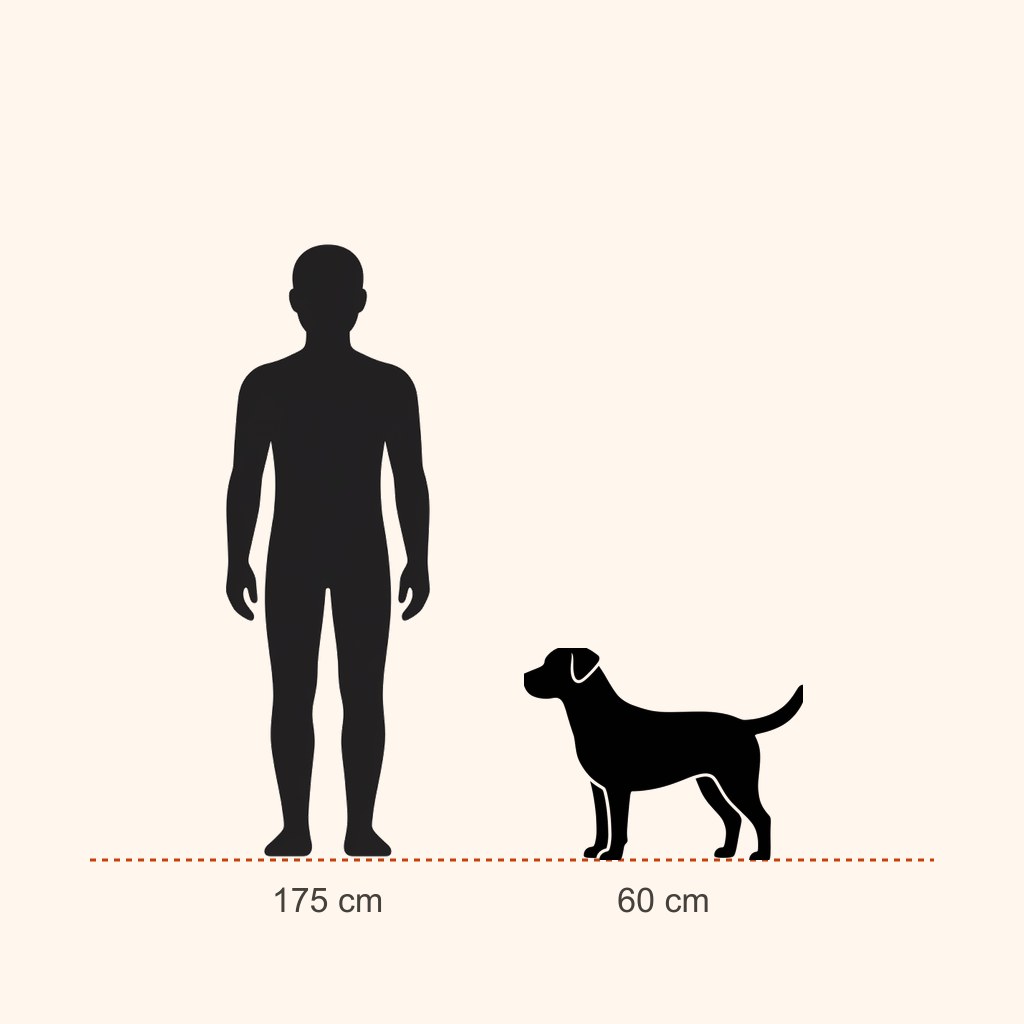
American Leopard Hound Owner's Guide
Last updated:
Is an American Leopard Hound right for you?
The American Leopard Hound is a still quite rare hound/cur breed developed in the southern United States for bear and raccoon hunting, known for its spotted "leopard" coat. It is not yet fully recognised by the AKC and holds Foundation Stock Service status; finding one outside the US, let alone in Turkey, is close to impossible.
| Situation | Suitability | Note |
|---|---|---|
| Apartment | Poor | Its tracking and treeing instincts need open space |
| Family with young children | Good | Affectionate with family and protective of kids, but high-energy |
| First-time dog owner | Poor | An independent hunting instinct plus rarity mean this breed needs an experienced owner |
| Garden with a strong fence | Excellent | Strong instinct to chase small animals and follow scent |
| Alone 8+ hours a day | Poor | Bred to work, an active and social breed |
| Household with cats or small pets | Poor | Hunting drive can target small animals |
| Owner into hunting or tracking sports | Excellent | This is exactly what the breed was built for |
| Adopting in Turkey | Poor | Virtually unknown and unavailable in the country |
This is a genuine working hunting dog and should not be considered a lapdog or apartment breed. An undersocialised individual can become overly protective around children.
Before you adopt
Because the breed is so rare, there is effectively no way to find one through a breeder or shelter in Turkey; even in the US, it's mostly sourced through hunting-dog breeders or UKC/AKC FSS-registered lines.
If buying from a breeder, ask for hip (OFA) and eye (CAER) evaluations, and for BAER hearing test results in merle-patterned individuals.
This breed has no connection to dogfighting or any restricted-breed list; check your own country's regulations, but the American Leopard Hound is not on Turkey's list of dangerous breeds under Law No. 5199. The issue is availability, not danger — there is practically no breeder or shelter presence in the country.
Temperament
The American Leopard Hound is intelligent, loyal, and energetic. It's deeply affectionate with family and protective of children — a protective drive that, if not well managed, can tip into being overly on guard.
It combines the tracking and treeing instinct of old American cur-type working dogs with the warmth of a genuine family dog. Because it's used to working independently, obedience training calls for patience.
It's a vocal breed; it signals when it finds its quarry during a hunt with a distinctive call. This can be reduced with training but not eliminated entirely.
Health issues and lifespan
Sources report an average lifespan of 12 to 15 years, and the breed is generally considered sturdy and hardy. Because it's a rare breed, large-scale health studies are limited; the information below reflects the available sources only.
- Hip dysplasia: A general joint concern in hunting breeds; early detection matters for dogs with heavy working schedules, and OFA hip evaluation is recommended.
- Congenital deafness: Reported particularly in individuals with lighter or spotted patterning; responsible breeders screen with BAER testing.
- Eye problems: The breed is among those for which CAER eye evaluation is recommended for inherited conditions; a specific condition name isn't clearly established in common sources.
- Cancer: Some sources mention cancer risk in old age; this is a general risk shared by many medium-to-large breeds, not a breed-specific type reported in the literature.
Because no large-scale, peer-reviewed veterinary study exists for this breed, the health section should be read with caution; for individual health, favour a dog from an OFA/CHIC-registered line.
Feeding
An adult American Leopard Hound (roughly 25-30 kg — the breed has little firm standard on this) eats about 350-450 g of quality dry food a day; active working dogs need more.
- Puppy (2-15 months): Large-breed puppy food, three meals a day.
- Adult: Two meals a day, 24-28% protein; energy density matters for this high-drive working breed.
- Senior (8+ years): Reduce calories and add joint support.
Grooming and coat
Short, flat, dense coat; the spotted pattern is the breed's most distinctive feature.
- Weekly brushing is enough.
- Bathe when dirty or after a hunt.
- Check ears weekly.
- Nails wear naturally in working dogs that cover a lot of ground; trim as needed otherwise.
- Because this is a heavy field/woods breed, check for ticks and cuts after every outing.
Training and exercise
Daily need: at least 1-2 hours of intense physical activity; ideally functional exercise like tracking or trail running.
Priorities:
- Socialisation (8-16 weeks). Early, positive exposure to small animals and strangers is essential.
- Recall. Difficult once on a trail; start at short distances with high-value rewards.
- Leash discipline and a secure fence. Its strong hunting drive raises the risk of running off.
- Working/tracking activity. The best outlet for the breed's natural talent.
- Managing vocal behaviour. Can't be eliminated entirely; preventing boredom is the most effective approach.
History
The origins of the American Leopard Hound are unclear; the most common theory traces it to dogs brought to Mexico by Spanish explorers that mixed with local hunting dogs and moved into the southern United States, particularly North Carolina, by the 18th century. Farmers selected these dogs for hunting bear and raccoon using the treeing technique.
In 1960 an official breeders' association was formed and the breed was named the American Leopard Cur. The United Kennel Club recognised it as the "Leopard Cur" in 1998; the name changed to "American Leopard Hound" in 2008 so the breed could compete in coonhound events. The American Kennel Club admitted it to the Foundation Stock Service in 2012, the first step toward full recognition.
Today the breed persists largely as a working hunting dog; its popularity as a family pet is low, and it's essentially unknown in Turkey. Its history of repeated name changes reflects a breed still in development and standardisation, which also means its genetic diversity may be less tightly controlled than in more established breeds.
This guide is for information only and is not a substitute for veterinary advice. Prices are approximate and vary by region and time.
Adoption Prep Checklist
Housing
-
Large-breed dog bed
A comfortable bed supports joint health.
Feeding
-
Large-breed dog food
Food matched to breed size gives the right nutritional balance.
-
Food and water bowl set
Needed for daily feeding and water access.
Grooming
-
Short-hair dog brush
Regular brushing reduces shedding and matting.
-
Dog nail clippers
Regular nail care matters for healthy walking.
-
Dog shampoo
Use a dog-specific shampoo for skin and coat health.
Walking & Activity
-
Running/exercise dog harness
Needed for safe walks.
-
Interactive dog puzzle toy
Mental and physical stimulation reduces behavior problems.
Frequently Asked Questions
Does the American Leopard Hound shed?
Shedding is low. Brushing once a week is usually enough, with a mild increase during seasonal changes.
Can the American Leopard Hound live in an apartment?
Possible but not ideal. A house with outdoor space is preferable; in an apartment you will need to increase daily exercise substantially.
Is the American Leopard Hound good with children?
Caution is warranted. With proper socialisation and adult supervision it can live with children, but it is not a first choice for homes with young children.
Is the American Leopard Hound suitable for first-time dog owners?
Partly. Someone with basic experience will manage well, but it would not be the first choice for a complete beginner.
How much exercise does the American Leopard Hound need?
It is high-energy and needs vigorous daily activity. Mental stimulation matters as much as physical exercise; without enough to do, destructive behaviour follows.
Can the American Leopard Hound be left alone during the day?
It can be left alone for a few hours. Long, routine absences can bring on boredom-driven behaviour problems; enrichment and a predictable routine reduce that risk.
How long does the American Leopard Hound live?
The American Leopard Hound lives 12-15 years on average. Diet, regular veterinary check-ups and early screening for hereditary conditions all affect this directly.
Where does the American Leopard Hound come from?
The American Leopard Hound originates from United States. The geography a breed was developed in, and the job it was bred for, explain much of its temperament and care needs today.