

Australian Terrier
The image on this page is AI-generated and does not depict a real animal.
- Species
- Dog
- Origin
- Australia
- Size
- Small
- Lifespan
- 14-16 years
- Temperament
- Brave curious friendly alert
- Description
One of the first native breeds developed in Australia; a brave and friendly small terrier.
- Physical Traits
Wiry coarse coat (blue-tan or red), a small compact body.
- Care / Environment Info
Suitable for apartment living. Its wiry coat sheds little, requiring regular trimming. Moderate exercise needs.
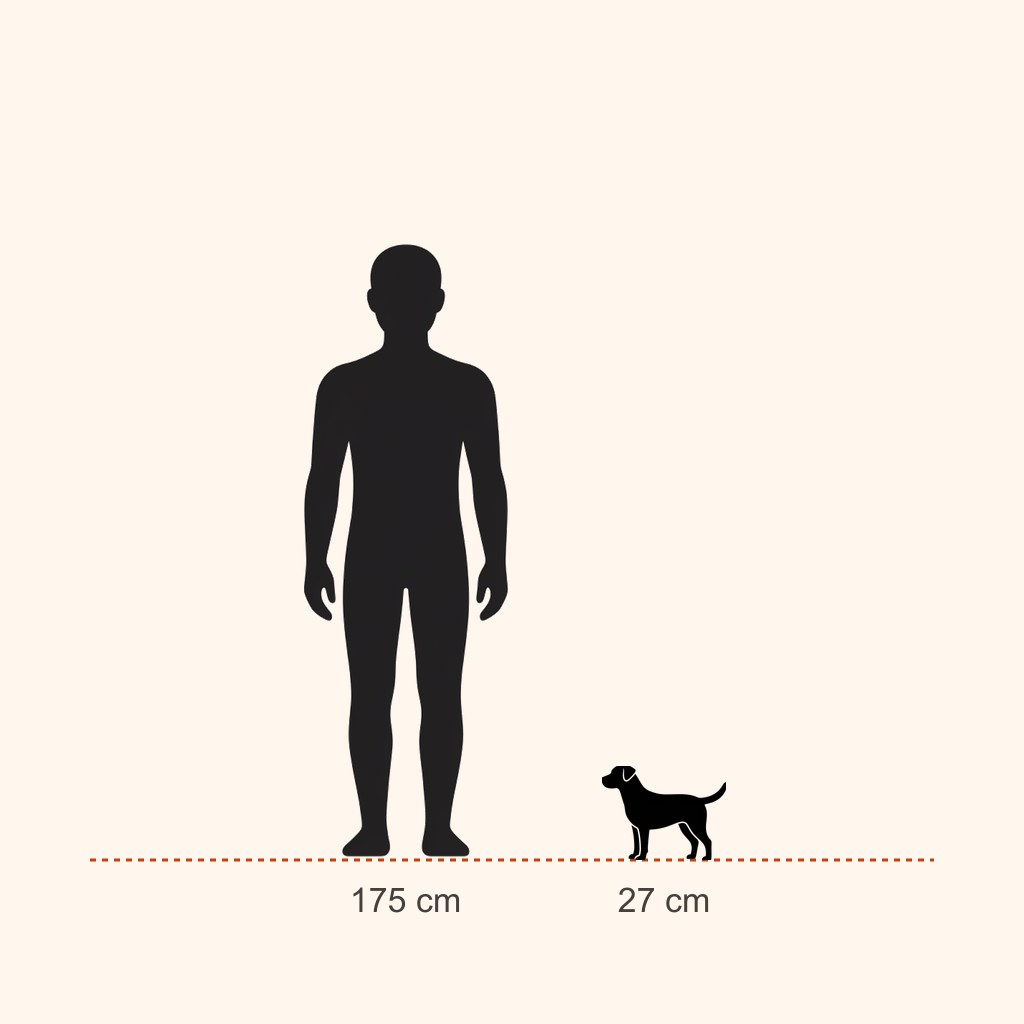
Australian Terrier Owner's Guide
Last updated:
Is an Australian Terrier right for you?
A big character in a small body. The Australian Terrier was developed in Australia in the early 1800s from rough-coated terriers brought over from Britain, bred to hunt vermin and guard the property. Its size is small, but its personality is not: bold, curious, and self-assured.
| Situation | Suitability | Note |
|---|---|---|
| Apartment | Good | Small size suits city living, but barking can bother neighbours |
| Family with young children | Moderate | Friendly, but its small frame doesn't hold up to rough play |
| First-time dog owner | Good | An adaptable breed, though its stubbornness takes patience |
| Older or quieter owner | Good | Its size and energy suit middle-aged to older owners too |
| Home with small pets (hamster, rabbit) | Poor | Strong prey drive; will chase small animals |
| Household with fur allergies | Poor | Double coat, sheds regularly |
| Home with other dogs | Moderate | Self-confident, can be scrappy; socialization matters |
| House with a garden | Good | Fencing needs to go into the ground given its digging and chasing instincts |
The realistic expectation with this breed: behind the small, cute look is a genuine terrier character — independent, curious, and sometimes stubborn. Getting one on the assumption that "small dog means easy to train" can lead to disappointment.
Before you adopt
This breed is quite rare in Turkey; you're unlikely to find one through a shelter or rehoming listing. If considering a puppy from abroad, look for lines whose parents have had patella, eye, and thyroid evaluations — the three tests breed clubs specifically recommend.
Don't decide without meeting the puppy; an energetic, confident temperament is a healthy sign, but steer clear of a puppy that seems excessively fearful or aggressive.
Temperament
Bold, spirited, and smart. The breed standard describes it as having "the natural aggressiveness of a ratter and hedge hunter" — meaning a strong prey drive toward small animals. It ranks above average on canine intelligence scales and trains reasonably well, though it also tends to make its own decisions.
It's deeply attached to its family and usually makes a good watchdog, alerting you when someone arrives. It carries itself with confidence around other dogs — sometimes to the point of challenging much bigger ones — so stay attentive on walks.
Its curious nature makes it a digger and an explorer; don't be surprised to find holes in the garden.
Health issues and lifespan
Sources generally put the lifespan at 11 to 15 years; it's considered a generally sturdy small breed.
- Patellar luxation: The kneecap slips out of place; signs include limping, holding a leg up, or a cracking sound from the knee joint. Mild cases are monitored, while advanced ones may need surgery.
- Legg-Calvé-Perthes disease: Disrupted blood flow to the head of the hip joint causes it to degenerate; usually seen in puppies under a year old, with limping and pain, sometimes requiring surgery in advanced cases.
- Cataracts: Clouding of the eye's lens that can progress to vision loss; should be tracked with regular eye exams.
- Diabetes: Can present with excessive thirst, frequent urination, and weight loss; diagnosed with a blood glucose test.
- Ear infections: Signs include scratching, odor, and head shaking; regular ear checks help prevent them.
Feeding
An adult Australian Terrier (roughly 6-7 kg) eats two meals a day of quality small-breed food.
- Puppy (2-12 months): Small-breed puppy food, three meals a day.
- Adult: Even though small breeds tend to have a fast metabolism, this one is prone to weight gain; measure portions carefully.
- Senior (8+ years): Reduce calories; joint support can help given the breed's patella issues.
Given the known diabetes risk, avoid sugary or heavily processed human food as treats.
Grooming and coat
Medium-length, harsh-textured double coat, found in blue-and-tan or solid sandy/red.
- Weekly brushing prevents matting and clears out loose hair.
- Bathe every few months, or whenever the dog gets visibly dirty.
- Hair around the eyes and ears should be trimmed regularly; keep the inner ear hair short and check it often.
- Professional hand-stripping is recommended for those who want to preserve the coat's harsh texture for show purposes, but it isn't mandatory.
- Trim nails about once a month.
Training and exercise
Daily need: 30-45 minutes of walking plus play and mental stimulation. Its small size can create the impression of low exercise needs, but this breed gets bored — and destructive — without mental engagement.
Priorities:
- Socialization (8-16 weeks). Early, positive experiences help balance its confident attitude toward other dogs.
- Consistent, reward-based training. Its stubborn streak responds better to short, engaging sessions than to repetitive, tedious commands.
- Controlled introductions to small pets. Given its prey drive, careful, gradual introductions are needed if it will live with cats, hamsters, or similar animals.
- Bark management. Its watchdog instinct is strong; teaching a "quiet" cue early helps.
- Redirecting digging. Giving it its own digging spot in the garden protects your plants.
History
The Australian Terrier's roots trace to rough-coated terriers brought from Great Britain to Australia in the early 19th century. The breed began taking shape there around 1820 and shares common ancestors with the Cairn, Skye, and Dandie Dinmont Terriers.
It gained official recognition in 1850 and took its current name, Australian Terrier, in 1892. The breed was developed as a versatile working dog — hunting vermin like rats and snakes on farms while also guarding homes and shops. It's considered one of the first native breeds established in Australia, and today it still carries the identity of a genuine working terrier despite its small size.
This guide is for information only and is not a substitute for veterinary advice. Prices are approximate and vary by region and time.
Adoption Prep Checklist
Housing
-
Small-breed dog bed
A comfortable bed supports joint health.
Feeding
-
Small-breed dog food
Food matched to breed size gives the right nutritional balance.
-
Food and water bowl set
Needed for daily feeding and water access.
Grooming
-
Short-hair dog brush
Regular brushing reduces shedding and matting.
-
Dog nail clippers
Regular nail care matters for healthy walking.
-
Dog shampoo
Use a dog-specific shampoo for skin and coat health.
Walking & Activity
-
Dog leash and collar set
Needed for safe walks.
-
Plush dog toy
Mental and physical stimulation reduces behavior problems.
Training
-
Training treats / beginner training guide
Basic obedience training is recommended for first-time dog owners.
Frequently Asked Questions
Does the Australian Terrier shed?
Shedding is low. Brushing once a week is usually enough, with a mild increase during seasonal changes.
Can the Australian Terrier live in an apartment?
Yes. It lives comfortably in an apartment as long as its daily needs are met. What matters is not floor area but consistent exercise and mental stimulation.
Is the Australian Terrier good with children?
Generally yes. It adapts well to families with children. Even so, interactions should be supervised and children taught to respect the animal’s boundaries.
Is the Australian Terrier suitable for first-time dog owners?
Yes. Its care and training are relatively forgiving, which makes it a sound choice for first-time owners.
How much exercise does the Australian Terrier need?
It needs a moderate amount of exercise. Daily activity plus some play time makes for a balanced routine.
Can the Australian Terrier be left alone during the day?
It can be left alone for a few hours. Long, routine absences can bring on boredom-driven behaviour problems; enrichment and a predictable routine reduce that risk.
How long does the Australian Terrier live?
The Australian Terrier lives 14-16 years on average. Diet, regular veterinary check-ups and early screening for hereditary conditions all affect this directly.
Where does the Australian Terrier come from?
The Australian Terrier originates from Australia. The geography a breed was developed in, and the job it was bred for, explain much of its temperament and care needs today.