

Barbado da Terceira
The image on this page is AI-generated and does not depict a real animal.
- Species
- Dog
- Origin
- Portugal (Azores Islands)
- Size
- Medium
- Lifespan
- 12-15 years
- Temperament
- Intelligent energetic loyal
- Description
Originating from the Azores Islands, a versatile herding dog used for herding livestock.
- Physical Traits
Medium-length wavy coat, an athletic medium-sized body.
- Care / Environment Info
A house with a garden is preferred. Its coat sheds moderately, requiring regular brushing. High exercise needs.
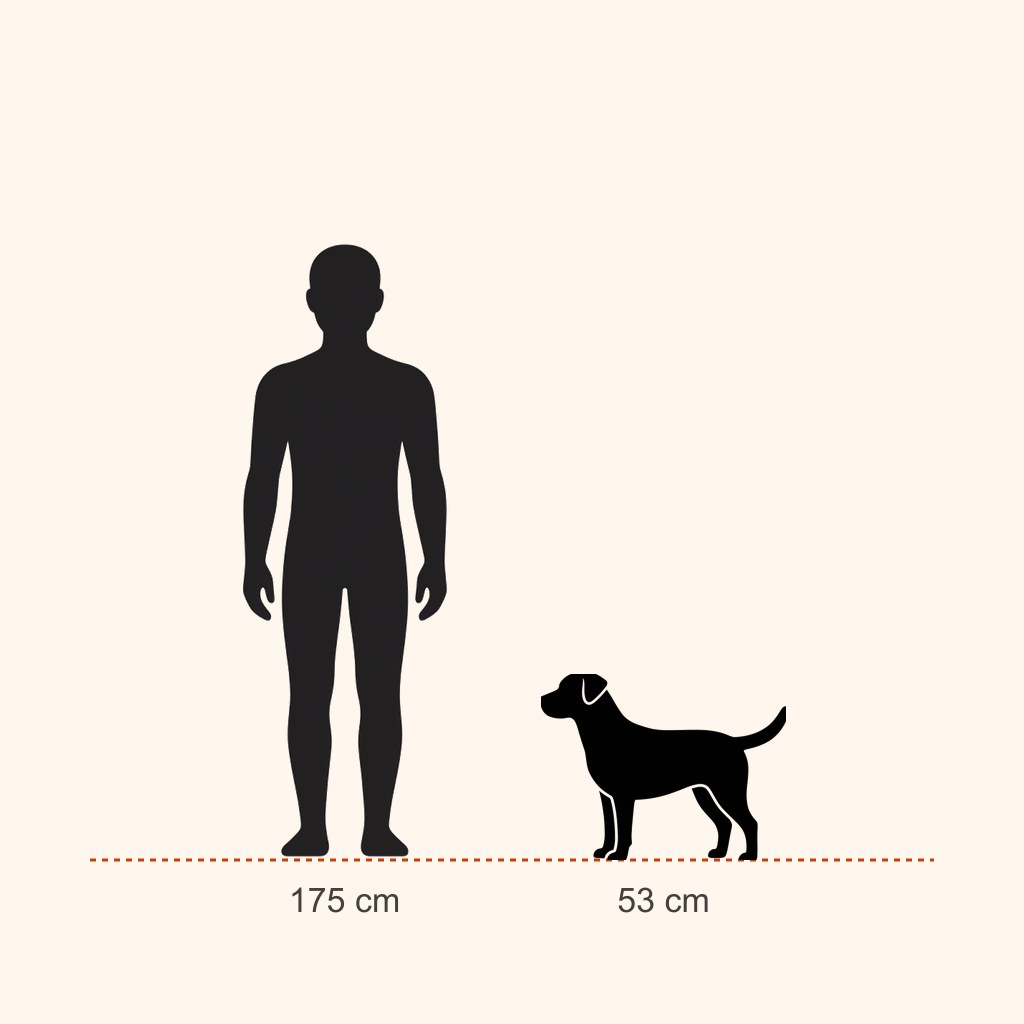
Barbado da Terceira Owner's Guide
Last updated:
Is a Barbado da Terceira right for you?
The Barbado da Terceira is a rare herding breed from Terceira Island in Portugal's Azores, bred to drive cattle and guard the farm, and named "barbado" (bearded) for the thick hair on its chin. It still has a very small population worldwide.
| Situation | Suitability | Note |
|---|---|---|
| Apartment | Poor | Too small an environment for an active working dog |
| Family with young children | Good | Loyal and devoted, but its herding instinct needs supervision |
| First-time dog owner | Moderate | Smart and trainable, but its stubborn streak needs experience |
| House with a garden | Good | Needs daily exercise space and a secure fence |
| Farm or livestock setting | Excellent | The environment the breed was built for |
| Household with fur allergies | Poor | Long, thick, heavily undercoated fur |
| Left alone for long hours | Poor | Highly attached to its family; doesn't handle loneliness well |
| Active, sporty owner | Good | Can do well in agility and obedience-type activities |
The single most important fact about this breed: its known worldwide population is limited to a few hundred dogs, making it extremely rare. If you're considering one, you'll likely need to find a puppy in Portugal or from a handful of breeders — which should shape your expectations around both wait times and available health data.
Before you adopt
The breed was only officially recognized in Portugal in 2004 and is still not recognized by the international kennel federation FCI; the American Kennel Club has accepted some individuals into its Foundation Stock Service — a step toward full recognition — since 2021. This means the breed is still in a developmental stage with a limited registry system.
Coming from a small, closed population, look for a breeder who tests parents for hips and elbows and is transparent about relatedness between breeding dogs. Your odds of finding this breed through a shelter or rehoming listing in Turkey are essentially zero, so the usual "try adopting locally first" advice simply doesn't apply here.
Temperament
Smart, easy to train, cheerful, but can also be stubborn. It's loyal and protective of its family and makes a good watchdog. Its herding instinct is strong and, without consistent guidance, can turn into "herding" pets or children.
It can be wary of strangers; early socialization prevents that reserved attitude from tipping into excessive fearfulness. It's energetic and hardy — shaped for work on the island's rugged, windswept terrain, it doesn't enjoy staying inactive for long.
Health issues and lifespan
Sources generally put the lifespan at 12 to 14 years. Because the breed's population is so small, health data is more limited than for common breeds; some sources highlight only hip dysplasia while others report the list below. Given this uncertainty, read this section carefully and always ask for current health screenings when getting a puppy.
- Hip dysplasia: The most commonly reported issue in the breed; a joint development disorder that leads to lameness and pain later in life.
- Elbow dysplasia: Can show up as stiffness and limping in a front leg.
- Progressive retinal atrophy (PRA): Reported in some sources; a gradual breakdown of the eye's light-sensing cells leading to blindness, affecting night vision first.
- Epilepsy: Presents as seizures; other causes must be ruled out for diagnosis, and most cases are managed with medication.
- Skin allergies: Can show up as itching, redness, and recurring ear or skin infections.
Feeding
An adult Barbado da Terceira (21-30 kg) eats two meals a day of a quality medium-to-large breed formula.
- Puppy (2-12 months): Medium-to-large breed puppy food; keep calories and calcium balanced to avoid too-rapid growth.
- Adult: Portion by activity level; working dogs need more.
- Senior (7+ years): Reduce calories; joint support can help given the breed's hip dysplasia risk.
Grooming and coat
Long, thick, wavy double coat with a heavy undercoat.
- Brushing at least twice a week prevents matting; daily brushing may be needed during shedding season.
- The characteristic "beard" on the chin needs regular combing and cleaning after meals.
- Bathe only as needed, with a dog-safe shampoo.
- Check ears regularly, especially in humid weather.
- Trim nails about once a month depending on activity level.
Training and exercise
Daily need: at least 1 to 1.5 hours of active exercise plus a task. This breed wasn't built for idle time but for work; it does well in activities like agility, obedience, and herding.
Priorities:
- Socialization (8-16 weeks). Broad early exposure matters for a balanced attitude toward strangers and other animals.
- Redirecting herding behavior. The tendency to "herd" children or pets should be channeled into appropriate toys and games.
- Consistent, reward-based training. Smart but sometimes stubborn, this breed responds better to short, engaging sessions than to repetitive commands.
- Recall. A basic requirement for safe off-lead time.
- Giving it a job. A daily task or a complex game significantly reduces behavior problems.
History
The Barbado da Terceira was developed from various dogs brought to Terceira Island in the Azores by settlers starting in the 15th century. Islanders used these dogs to drive cattle and guard farm animals.
The breed was only officially recognized by the Portuguese Kennel Club and the country's veterinary authority in 2004; a census that same year found the total population to be just 222 dogs. Today two breed societies — one on Terceira, one on mainland Portugal — continue promoting the breed. Since 2021 some individuals have been registered with the American Kennel Club's Foundation Stock Service, though the breed still isn't recognized by the international kennel federation FCI.
This guide is for information only and is not a substitute for veterinary advice. Prices are approximate and vary by region and time.
Adoption Prep Checklist
Housing
-
Medium-breed dog bed
A comfortable bed supports joint health.
Feeding
-
Medium-breed dog food
Food matched to breed size gives the right nutritional balance.
-
Food and water bowl set
Needed for daily feeding and water access.
Grooming
-
De-shedding brush
Regular brushing reduces shedding and matting.
-
Dog nail clippers
Regular nail care matters for healthy walking.
-
Dog shampoo
Use a dog-specific shampoo for skin and coat health.
Walking & Activity
-
Running/exercise dog harness
Needed for safe walks.
-
Interactive dog puzzle toy
Mental and physical stimulation reduces behavior problems.
Frequently Asked Questions
Does the Barbado da Terceira shed?
It sheds a moderate amount. Brushing two or three times a week noticeably reduces both loose hair and matting.
Can the Barbado da Terceira live in an apartment?
Possible but not ideal. A house with outdoor space is preferable; in an apartment you will need to increase daily exercise substantially.
Is the Barbado da Terceira good with children?
Generally yes. It adapts well to families with children. Even so, interactions should be supervised and children taught to respect the animal’s boundaries.
Is the Barbado da Terceira suitable for first-time dog owners?
Partly. Someone with basic experience will manage well, but it would not be the first choice for a complete beginner.
How much exercise does the Barbado da Terceira need?
It is high-energy and needs vigorous daily activity. Mental stimulation matters as much as physical exercise; without enough to do, destructive behaviour follows.
Can the Barbado da Terceira be left alone during the day?
It can be left alone for a few hours. Long, routine absences can bring on boredom-driven behaviour problems; enrichment and a predictable routine reduce that risk.
How long does the Barbado da Terceira live?
The Barbado da Terceira lives 12-15 years on average. Diet, regular veterinary check-ups and early screening for hereditary conditions all affect this directly.
Where does the Barbado da Terceira come from?
The Barbado da Terceira originates from Portugal (Azores Islands). The geography a breed was developed in, and the job it was bred for, explain much of its temperament and care needs today.