

Belgian Laekenois
The image on this page is AI-generated and does not depict a real animal.
- Species
- Dog
- Origin
- Belgium
- Size
- Large
- Lifespan
- 12-15 years
- Temperament
- Loyal protective energetic alert
- Description
The rarest of the Belgian shepherd breeds; distinguished by its wiry coat.
- Physical Traits
Wiry fawn/red coat, upright ears, an athletic body.
- Care / Environment Info
A house with a garden is preferred. Its wiry coat sheds moderately, requiring regular clipping. High exercise and mental stimulation needs.
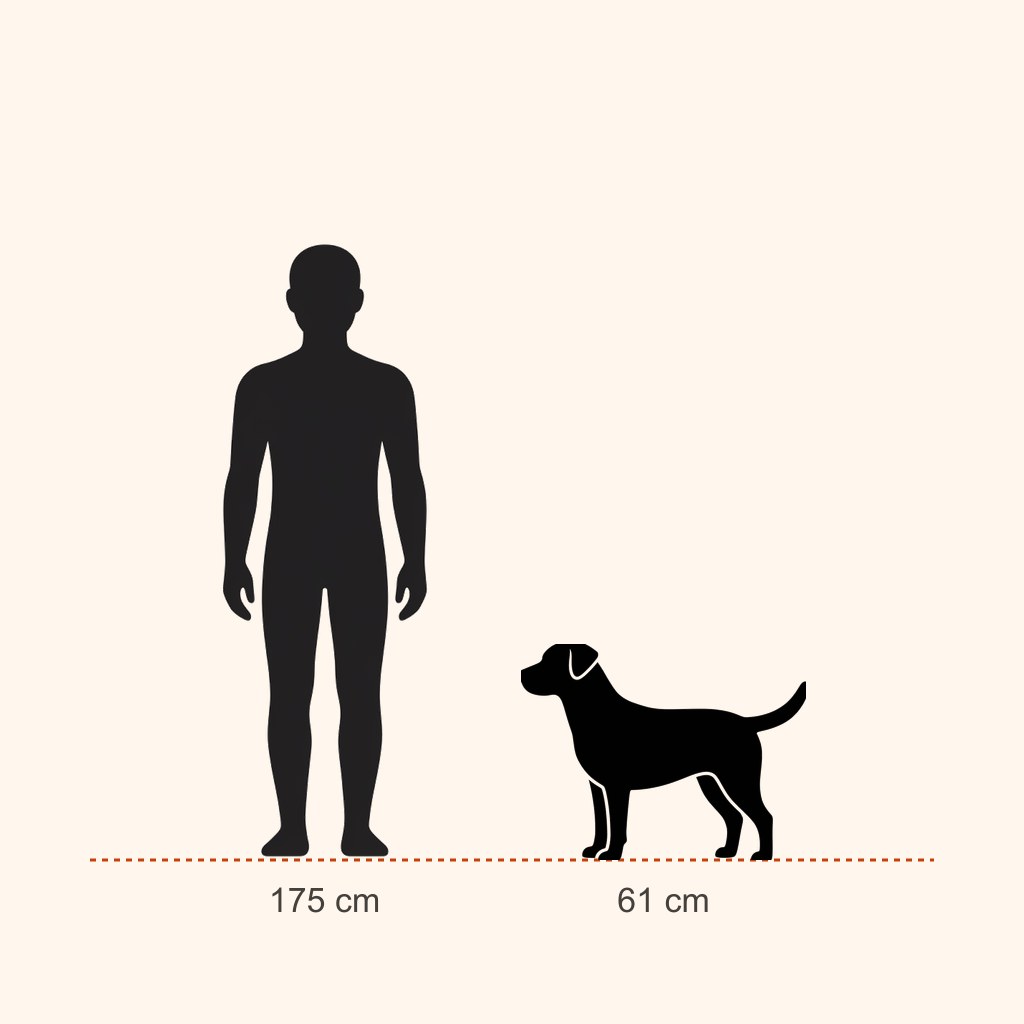
Belgian Laekenois Owner's Guide
Last updated:
Is a Belgian Laekenois right for you?
The Laekenois is the rarest of the four coat varieties of the Belgian Shepherd — the wire-coated version of the same base breed. It is essentially the same dog as the Belgian Malinois: temperament, intelligence, and energy level match almost exactly. The differences lie only in coat texture, colour, and historical job. If you know the Malinois, you know the Laekenois.
| Situation | Suitability | Note |
|---|---|---|
| Apartment | Not suitable | Its energy and mental needs cannot be met in this setting |
| Family with young children | Caution | Protective and herding instincts can be a problem with running children |
| First-time dog owner | Not suitable | A demanding herding breed; needs experience and time |
| Alone 8+ hours a day | Poor | A bored individual develops destructive behaviour |
| Household with fur allergies | Poor | Harsh, wiry coat; the undercoat sheds seasonally |
| Owner who does sport and training | Excellent | An unmatched, versatile working dog in the right hands |
| Home with a large yard and security as a priority | Good | Strong natural guarding instinct |
The Laekenois is the least known and least bred of the four Belgian varieties, which also makes finding a healthy, well-balanced line somewhat harder.
Before you adopt
This breed is extremely rare in Turkey; nearly all come from imported lines. Ask the breeder for hip and elbow certification, an eye exam, and a cardiac screen. Because it's a rare breed, the breeder pool is small — don't hesitate to ask about inbreeding risk.
Meet the parents; an overly timid or overly tense parent is a strong warning sign for temperament. As with the other Belgian varieties, the gap between working lines and companion lines is large — look for a more balanced line for everyday family life.
Temperament
The Laekenois shares its temperament foundation with the Belgian Malinois: intense, focused, wants to work with its owner, and learns at an extraordinary rate. This similarity is no coincidence — the four varieties are genetically the same breed, selected separately only for coat type.
Toward strangers, the Laekenois is considered somewhat more reserved and aloof than the other three varieties; because it historically guarded property and fields, it has strong independent judgement and suspicion. It is a good watchdog, but without proper socialisation this can turn into excessive defensiveness.
It is deeply devoted to its family and usually bonds especially closely with one person. Its energy and drive to work are high; a Laekenois left with nothing to do will find its own "job" — usually something the owner won't appreciate (digging, chewing, excessive barking).
Health issues and lifespan
Sources generally give a lifespan of 10 to 12 years. Because it's a rare breed, large-scale health surveys are more limited than for the other Belgian varieties, but the main reported issues are:
- Hip and elbow dysplasia: Common in working breeds; parent certification should be requested.
- Hypothyroidism: Presents as weight gain, lethargy, and poor coat quality.
- Pannus (chronic superficial keratitis): An eye condition reported across all Belgian Shepherd varieties, involving progressive tissue growth on the cornea; can be more pronounced in sunny climates and requires lifelong treatment.
- Epilepsy: Reported in the Belgian Shepherd varieties; usually starts at a young age and is managed with medication.
Because there is no large-scale, Laekenois-specific health survey, this list draws heavily on the shared genetic background of the four varieties; individual health screening is still essential.
Feeding
An adult Laekenois (25-29 kg) eats 350-450 g of quality dry food per day; activity level significantly changes this amount in this breed.
- Puppy (2-18 months): Large-breed puppy food, three meals a day.
- Adult: 26-30% protein, high energy. An athletic, lean-bodied breed.
- Senior (9+ years): Calories should be adjusted individually; this breed tends to stay active into old age.
Two meals a day is recommended, with an hour of calm before and after heavy exercise.
Grooming and coat
A harsh, wiry, tousled-looking coat; unlike the other three varieties, it needs a specific grooming technique.
- Brushing once or twice a week is enough; the harsh coat resists dirt better than the other varieties.
- Hand-stripping once or twice a year is the traditional method for maintaining the coat's shape; scissor-clipping can soften and damage the wiry texture.
- Bathe every 8-12 weeks.
- Check ears weekly.
- Trim nails every 3-4 weeks.
Training and exercise
Daily requirement: at least 1.5-2 hours of intense physical exercise plus mental work. These figures match the other Belgian Shepherd varieties.
Priorities:
- Professional trainer. As with the other Belgian varieties, this is non-negotiable.
- Socialisation (8-16 weeks). Especially critical in this breed because of its natural wariness; early exposure to people, children, dogs, and different environments is essential.
- Impulse control and boundary training. Its guarding instinct needs clarity about what it is protecting.
- Dog sport. Obedience, agility, tracking, or protection sport — not a hobby but a need for this breed.
- An "off" cue. A Laekenois left constantly on alert will eventually burn out; a clear "done" cue should be taught.
History
The Laekenois is one of the four varieties of the Belgian Shepherd; it was defined as a type distinct from the Malinois, Tervuren, and Groenendael in the 1891 standardisation effort near Brussels led by Professor Adolphe Reul (the details of this shared history are covered in the Belgian Malinois guide). It takes its name from Laeken Castle, a residence of the Belgian royal family, and is said to have been a favourite of Queen Marie-Henriette.
Unlike the other three varieties, the Laekenois's historical job was less about herding livestock and more about guarding property and fields. In the Flanders region it was tasked with protecting flax fields and laundry laid out to dry — an unusual and defining historical role for the breed.
Today the Laekenois is the rarest of the four varieties; its small population requires a careful balance between preserving genetic diversity and finding a healthy line.
This guide is for information only and is not a substitute for veterinary advice. Prices are approximate and vary by region and time.
Adoption Prep Checklist
Housing
-
Large-breed dog bed
A comfortable bed supports joint health.
Feeding
-
Large-breed dog food
Food matched to breed size gives the right nutritional balance.
-
Food and water bowl set
Needed for daily feeding and water access.
Grooming
-
De-shedding brush
Regular brushing reduces shedding and matting.
-
Dog nail clippers
Regular nail care matters for healthy walking.
-
Dog shampoo
Use a dog-specific shampoo for skin and coat health.
Walking & Activity
-
Running/exercise dog harness
Needed for safe walks.
-
Interactive dog puzzle toy
Mental and physical stimulation reduces behavior problems.
Frequently Asked Questions
Does the Belgian Laekenois shed?
It sheds a moderate amount. Brushing two or three times a week noticeably reduces both loose hair and matting.
Can the Belgian Laekenois live in an apartment?
Possible but not ideal. A house with outdoor space is preferable; in an apartment you will need to increase daily exercise substantially.
Is the Belgian Laekenois good with children?
Caution is warranted. With proper socialisation and adult supervision it can live with children, but it is not a first choice for homes with young children.
Is the Belgian Laekenois suitable for first-time dog owners?
No — it suits experienced owners. Its character, energy or care requirements would be demanding for a first-time owner.
How much exercise does the Belgian Laekenois need?
It is high-energy and needs vigorous daily activity. Mental stimulation matters as much as physical exercise; without enough to do, destructive behaviour follows.
Can the Belgian Laekenois be left alone during the day?
It can be left alone for a few hours. Long, routine absences can bring on boredom-driven behaviour problems; enrichment and a predictable routine reduce that risk.
How long does the Belgian Laekenois live?
The Belgian Laekenois lives 12-15 years on average. Diet, regular veterinary check-ups and early screening for hereditary conditions all affect this directly.
Where does the Belgian Laekenois come from?
The Belgian Laekenois originates from Belgium. The geography a breed was developed in, and the job it was bred for, explain much of its temperament and care needs today.