

Belgian Malinois
The image on this page is AI-generated and does not depict a real animal.
- Species
- Dog
- Origin
- Belgium
- Size
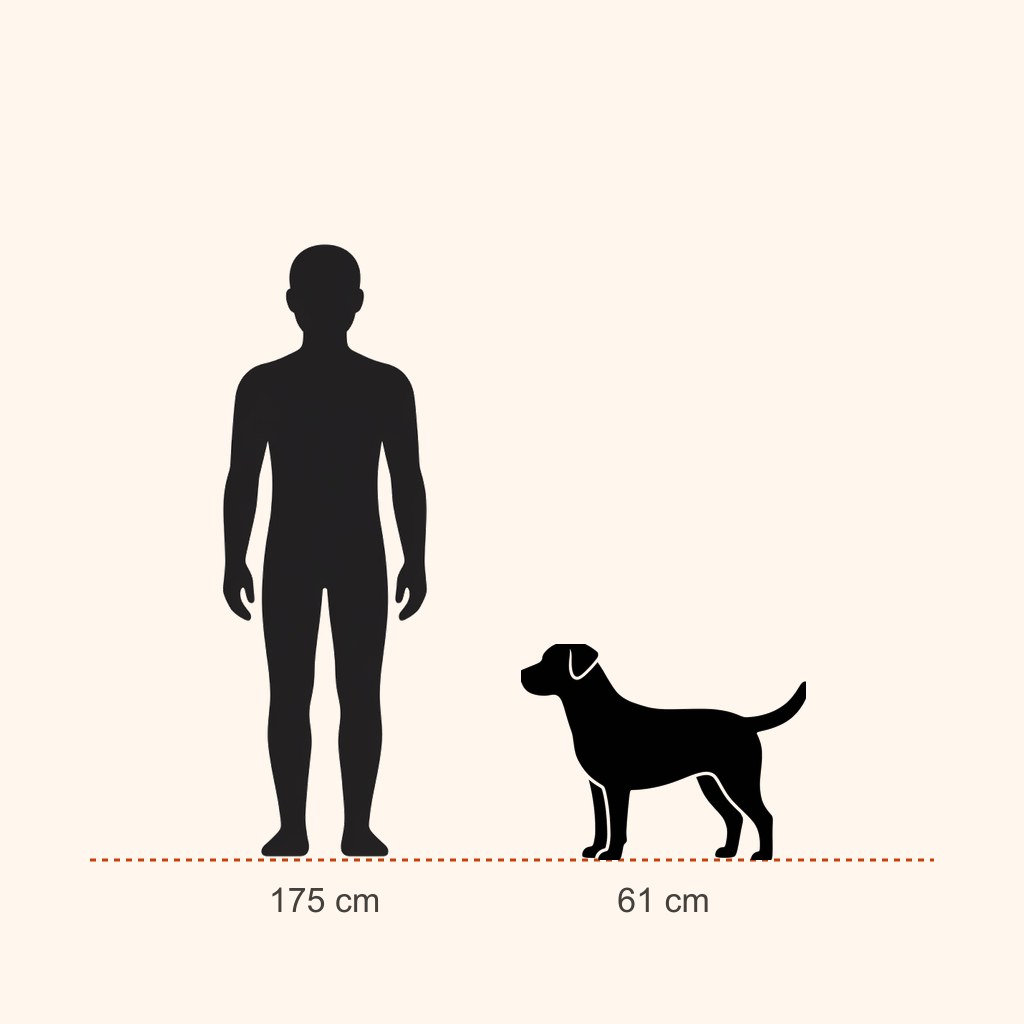
- Large
- Lifespan
- 12-14 years
- Temperament
- Intelligent energetic loyal protective
- Description
Preferred in police and military service work, a very energetic and intelligent herding dog.
- Physical Traits
Short dense fawn-brown coat with a black mask, upright ears, a muscular athletic body.
- Care / Environment Info
Requires an experienced owner and an active lifestyle; apartment living is not recommended unless given sufficient work/exercise. Its short coat sheds moderately, easy to maintain. Very high exercise and mental stimulation needs (a working dog).
Belgian Malinois Owner's Guide
Last updated:
Is a Belgian Malinois right for you?
The Malinois is the most widely deployed working dog in the world, the choice of military units, special forces, and search-and-rescue teams. Recognising this breed from films and then adopting one is among the most common mistakes in the dog world. The Malinois was not bred for an ordinary home.
| Situation | Suitability | Note |
|---|---|---|
| Apartment | Not suitable | Its energy and mental needs cannot be met in this setting |
| Family with young children | Caution | Herding and biting drive cause problems with running children |
| First-time dog owner | Absolutely not suitable | One of the most demanding breeds; requires professional-level experience |
| Alone 8+ hours a day | Very poor | A bored Malinois takes the house apart |
| Household with fur allergies | Poor | Short double coat; sheds heavily |
| Owner who trains and does sport | Perfect | An unmatched partner in the right hands |
| One of the most common breeds in shelters | Warning | Surrender rates are high because of mistaken adoptions |
The honest warning: the Malinois has more energy than a Border Collie and a stronger biting drive than most breeds. If you cannot give this dog three to four hours a day, do not get one.
Before you adopt
Breeder selection in this breed matters as much as the decision to adopt at all. The gap between working lines and family lines is enormous here; look for lines bred for an ordinary home with lower drive.
Ask the breeder for hip and elbow certification, an eye examination certificate, and a temperament assessment of the parents. A good breeder will also question you and will not hand over a puppy without knowing how many hours a day you can give, your training plan, and your experience.
See the parents. An extremely tense, constantly barking, or fearful dam is the strongest indicator of what the puppy will become.
Malinois and their mixes are common in shelters, but adopting an adult Malinois requires an experienced owner and is not suitable as a first dog.
Temperament
The Malinois is intense, focused, and extremely hard-working. It wants to work with its owner, and it wants this at the level of a need.
Its learning speed is extraordinary and it does not forget what it learns. This is an advantage and equally a risk; a behaviour learned wrongly is very hard to erase.
Bite drive is the breed's defining trait. As a puppy it constantly uses its mouth; this is not aggression but a work reflex, and it becomes a problem if not redirected. It has a tendency to go for anything that moves, including running children, bicycles, and vacuum cleaners.
It is very attached to its owner. It is reserved with strangers and the protective instinct is strong, so socialisation is critical.
It is sensitive. Harsh methods produce defensive behaviour or shutdown; sensitive, reward-based training is required.
Health issues and lifespan
Average lifespan is 12 to 14 years. It is a generally robust breed.
- Hip and elbow dysplasia: Common in working breeds; parental certification should be requested.
- Progressive retinal atrophy (PRA) and cataracts: An eye examination certificate should be requested.
- Epilepsy: Reported in this breed; usually begins at a young age and is controlled with medication.
- Anaesthetic sensitivity: Sensitivity to certain sedatives has been reported in Belgian shepherd breeds; inform your vet.
- Pannus (chronic superficial keratitis): Progressive tissue formation on the cornea; more common in sunny climates and requiring lifelong treatment.
- Hypothyroidism: Weight gain, lethargy, coat problems.
- Muscle and joint injuries: Sports injuries are common because of the high activity level; warm-up and conditioning matter.
Feeding
An adult Malinois (20-30 kg) consumes 400-500 g of quality dry food per day. Activity level changes the amount dramatically; a working Malinois needs several times more.
- Puppy (2-18 months): Large-breed puppy food, three meals a day.
- Adult: 26-30% protein, high energy. This is a breed with high muscle mass and low body fat.
- Senior (9+ years): This breed stays active in old age; calories should be adjusted individually.
Two meals a day; an hour of calm before and after heavy exercise.
It is normal for the ribs to be slightly visible in this breed; the Malinois is athletic and lean, not stocky.
Grooming and coat
Easy to groom, heavy to shed.
- A rubber brush once or twice a week; daily during seasonal changes with an undercoat rake.
- Bathe every 8 to 12 weeks.
- Weekly ear checks.
- Nails every three to four weeks; active individuals may need less.
- Teeth several times a week.
- Paw checks should be routine in hard-working individuals; pad injuries are frequent.
Training and exercise
Daily requirement: at least two hours of intense physical exercise plus one hour of mental or work-based training. These figures are not an exaggeration but the breed's genuine need.
Priorities:
- A professional trainer. Not negotiable in this breed. Arrange a Malinois-experienced, reward-based trainer before the puppy even arrives.
- Redirecting bite drive. It must be channelled into appropriate toys (tug, bite sleeve) during puppyhood. A "leave it" cue must be taught early and without compromise.
- Socialisation (8-16 weeks). Critical. People, children, dogs, vehicles, sounds.
- Impulse control. Not lunging at moving objects, waiting at doors, moving on permission.
- Dog sport. IGP (protection sport), agility, tracking, search. For this breed these are an obligation, not a hobby.
- A "finished" cue. Teaching this breed to switch itself off is vital. A Malinois that stays permanently switched on burns out.
History
The Malinois is one of the four varieties of the Belgian shepherd dog; the others are the Tervuren, the Groenendael, and the Laekenois. It takes its name from the city of Mechelen (Malines in French), where it was first standardised.
At the end of the 19th century, shepherd dogs from different regions of Belgium were standardised under the leadership of Professor Adolphe Reul. The Malinois was defined as the short-coated, fawn variety and stood out for its working ability.
In the 20th century it was first used as a police dog; Belgium established one of the world's first official police dog programmes. In the following decades the Malinois began to replace the German Shepherd, preferred for being lighter, more athletic, and less prone to hip dysplasia.
Today it is the most widespread dog breed in military and special operations units worldwide. That visibility made the breed popular and brought it into unprepared homes; the rising number of Malinois in shelters is a direct consequence.
This guide is for information only and is not a substitute for veterinary advice. Prices are approximate and vary by region and time.
Adoption Prep Checklist
Housing
-
Large-breed dog bed
A comfortable bed supports joint health.
Feeding
-
Large-breed dog food
Food matched to breed size gives the right nutritional balance.
-
Food and water bowl set
Needed for daily feeding and water access.
Grooming
-
De-shedding brush
Regular brushing reduces shedding and matting.
-
Dog nail clippers
Regular nail care matters for healthy walking.
-
Dog shampoo
Use a dog-specific shampoo for skin and coat health.
Walking & Activity
-
Running/exercise dog harness
Needed for safe walks.
-
Interactive dog puzzle toy
Mental and physical stimulation reduces behavior problems.
Frequently Asked Questions
Does the Belgian Malinois shed?
It sheds a moderate amount. Brushing two or three times a week noticeably reduces both loose hair and matting.
Can the Belgian Malinois live in an apartment?
Possible but not ideal. A house with outdoor space is preferable; in an apartment you will need to increase daily exercise substantially.
Is the Belgian Malinois good with children?
Caution is warranted. With proper socialisation and adult supervision it can live with children, but it is not a first choice for homes with young children.
Is the Belgian Malinois suitable for first-time dog owners?
No — it suits experienced owners. Its character, energy or care requirements would be demanding for a first-time owner.
How much exercise does the Belgian Malinois need?
It is high-energy and needs vigorous daily activity. Mental stimulation matters as much as physical exercise; without enough to do, destructive behaviour follows.
Can the Belgian Malinois be left alone during the day?
It can be left alone for a few hours. Long, routine absences can bring on boredom-driven behaviour problems; enrichment and a predictable routine reduce that risk.
How long does the Belgian Malinois live?
The Belgian Malinois lives 12-14 years on average. Diet, regular veterinary check-ups and early screening for hereditary conditions all affect this directly.
Where does the Belgian Malinois come from?
The Belgian Malinois originates from Belgium. The geography a breed was developed in, and the job it was bred for, explain much of its temperament and care needs today.