

Belgian Sheepdog
The image on this page is AI-generated and does not depict a real animal.
- Species
- Dog
- Origin
- Belgium
- Size
- Large
- Lifespan
- 12-14 years
- Temperament
- Intelligent loyal protective hard-working
- Description
The long black-coated one among the Belgian shepherd breeds; an intelligent and versatile working dog.
- Physical Traits
Long, straight, dense black coat, upright ears, an athletic body.
- Care / Environment Info
A house with a garden is preferred. Its long coat sheds heavily, requiring regular brushing. High exercise and mental stimulation needs.
Belgian Sheepdog Owner's Guide
Last updated:
Is a Belgian Sheepdog (Groenendael) right for you?
The Belgian Sheepdog — internationally also known as the "Groenendael" — is the long-coated, solid-black variety of the Belgian Shepherd's four coat types. It is the same base breed as the Belgian Malinois; intelligence, drive to work, and trainability are nearly identical. The difference lies in coat length, colour, and a historical herding orientation that is slightly more pronounced.
| Situation | Suitability | Note |
|---|---|---|
| Apartment | Not suitable | Its energy and mental needs cannot be met in this setting |
| Family with young children | Caution | Protective instinct and herding drive can be a problem with running children |
| First-time dog owner | Not suitable | A demanding herding breed; needs experience and time |
| Alone 8+ hours a day | Very poor | Needs human closeness; does not tolerate neglect |
| Household with fur allergies | Poor | Long double coat; sheds heavily seasonally |
| Owner who does sport and training | Excellent | An unmatched, versatile working partner in the right hands |
| Home with a yard, security a priority | Good | Strong natural guarding and territorial instinct |
The most commonly overlooked truth about this breed: its black, long coat may give an impression of an elegant "parlour dog," but underneath it is fundamentally a herding dog with an intense drive to work.
Before you adopt
As with the other Belgian varieties, the gap between working lines and companion lines is large in this breed. Ask the breeder for hip and elbow certification, an eye exam, and a thyroid screen; be sure to observe the parents' temperament.
This breed is rare in Turkey and mostly comes from imported lines. A good breeder will ask how many hours a day you can dedicate and about your experience before placing a puppy.
This breed and its mixes are rarely seen in shelters; if adopting an adult, try to clarify its socialisation history and previous home environment as much as possible, since an adult with a strong protective instinct can take time to adjust to a new home.
Temperament
The Belgian Sheepdog is intense, sensitive, and extremely hardworking. It wants to work with its owner and is nearly dependent on human closeness; behaviour problems develop quickly when it is neglected.
Its learning capacity is extraordinary. This is a great advantage when channelled correctly, and a lasting problem when channelled poorly — it does not forget a wrongly learned behaviour.
It is wary and observant toward strangers; its protective instinct is strong, which makes early, thorough socialisation essential. It is sensitive: harsh training methods produce a defensive or withdrawn response in this breed, while reward-based approaches work far better.
Health issues and lifespan
Average lifespan is 12 to 14 years. Hip and elbow dysplasia rates are reported lower than in many breeds of comparable size, though not zero.
- Idiopathic epilepsy: The most notable neurological issue reported in this breed family; usually begins between one and five years of age, ranging from mild partial seizures to severe generalised ones. It cannot be cured but most dogs can be managed for life with medication.
- Hip and elbow dysplasia: Occurrence is low but parent certification should still be requested.
- Pannus (chronic superficial keratitis): An eye condition reported across all Belgian Shepherd varieties, involving progressive tissue growth on the cornea; requires lifelong treatment.
- Progressive retinal atrophy (PRA): A genetic test exists.
- Hypothyroidism: Presents as weight gain, lethargy, and skin problems.
- Skin allergies: Another commonly reported issue in the breed.
Because epilepsy is common enough in this breed, unexplained loss of consciousness or muscle twitching should prompt a prompt veterinary visit.
Feeding
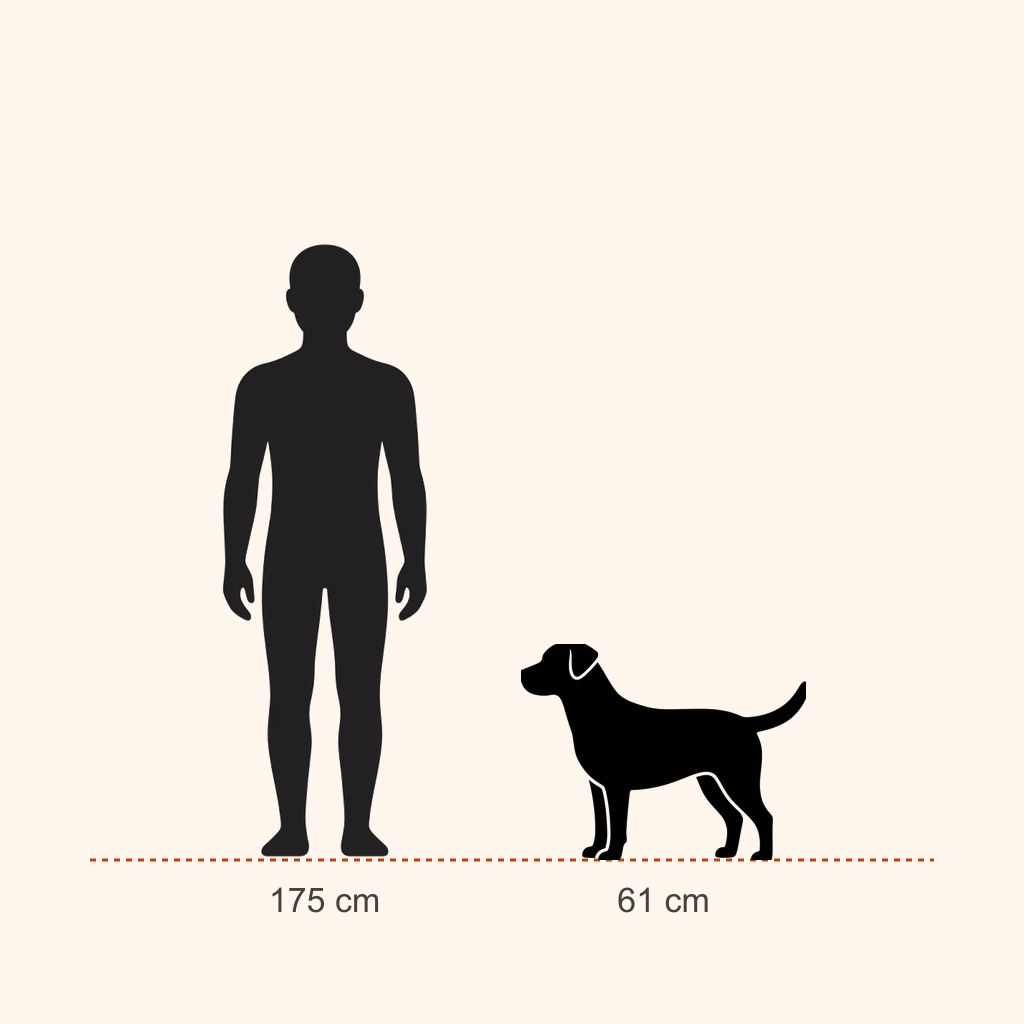
An adult Belgian Sheepdog (25-30 kg) eats 400-500 g of quality dry food per day; activity level significantly changes this amount.
- Puppy (2-18 months): Large-breed puppy food, three meals a day.
- Adult: 26-30% protein, high energy.
- Senior (9+ years): This breed tends to stay active into old age; calories should be adjusted individually.
Two meals a day is recommended, with an hour of calm before and after heavy exercise.
Grooming and coat
Long, straight, black double coat; despite its appearance, grooming needs are moderate.
- Brushing 2-3 times a week is enough; during seasonal shedding (twice a year), daily brushing is needed.
- Bathe every 8-12 weeks.
- Check ears weekly.
- Trim nails every 3-4 weeks.
- Friction areas such as behind the ears and under the tail should be checked regularly for matting.
Training and exercise
Daily requirement: at least 1.5-2 hours of intense physical exercise plus mental work.
Priorities:
- Professional trainer. Recommended for the other Belgian varieties, and ideally mandatory here too.
- Socialisation (8-16 weeks). Critically important because of its protective instinct; early exposure to people, children, dogs, and different environments.
- Dog sport. Obedience, agility, herding, or tracking — a need at the level of a requirement for this breed.
- Impulse control. It should be taught not to fixate on moving objects and to wait at doors.
- Preventing separation anxiety. Practice short periods alone starting from puppyhood.
History
The black, long-coated variety of the Belgian Shepherd was developed mainly by breeder Nicolas Rose at Château Groenendael near Brussels, which is where the breed's international name "Groenendael" comes from. The dogs Rose acquired, named Picard d'Uccle and Petite, became the ancestors of today's Belgian Sheepdogs.
The four Belgian Shepherd varieties (Malinois, Tervuren, Laekenois, and Groenendael) were formally defined in the 1891 standardisation effort near Brussels led by Professor Adolphe Reul (the details of this shared history are covered in the Belgian Malinois guide). With its black, long coat, the Belgian Sheepdog was the most striking of the four.
The breed was used as a police dog in Belgium and France in the early 20th century and served in both World Wars as a messenger, ambulance, and border patrol dog. Today, while not as widespread as the Malinois, it remains beloved both as a family dog and as a successful working partner in dog sports.
This guide is for information only and is not a substitute for veterinary advice. Prices are approximate and vary by region and time.
Adoption Prep Checklist
Housing
-
Large-breed dog bed
A comfortable bed supports joint health.
Feeding
-
Large-breed dog food
Food matched to breed size gives the right nutritional balance.
-
Food and water bowl set
Needed for daily feeding and water access.
Grooming
-
De-shedding brush
Regular brushing reduces shedding and matting.
-
Dog nail clippers
Regular nail care matters for healthy walking.
-
Dog shampoo
Use a dog-specific shampoo for skin and coat health.
Walking & Activity
-
Running/exercise dog harness
Needed for safe walks.
-
Interactive dog puzzle toy
Mental and physical stimulation reduces behavior problems.
Frequently Asked Questions
Does the Belgian Sheepdog shed?
It sheds heavily, especially at seasonal changes. Expect near-daily brushing and regular cleaning at home; it is not a good choice for anyone sensitive to pet hair.
Can the Belgian Sheepdog live in an apartment?
Possible but not ideal. A house with outdoor space is preferable; in an apartment you will need to increase daily exercise substantially.
Is the Belgian Sheepdog good with children?
Caution is warranted. With proper socialisation and adult supervision it can live with children, but it is not a first choice for homes with young children.
Is the Belgian Sheepdog suitable for first-time dog owners?
No — it suits experienced owners. Its character, energy or care requirements would be demanding for a first-time owner.
How much exercise does the Belgian Sheepdog need?
It is high-energy and needs vigorous daily activity. Mental stimulation matters as much as physical exercise; without enough to do, destructive behaviour follows.
Can the Belgian Sheepdog be left alone during the day?
It can be left alone for a few hours. Long, routine absences can bring on boredom-driven behaviour problems; enrichment and a predictable routine reduce that risk.
How long does the Belgian Sheepdog live?
The Belgian Sheepdog lives 12-14 years on average. Diet, regular veterinary check-ups and early screening for hereditary conditions all affect this directly.
Where does the Belgian Sheepdog come from?
The Belgian Sheepdog originates from Belgium. The geography a breed was developed in, and the job it was bred for, explain much of its temperament and care needs today.