

Berger Picard
The image on this page is AI-generated and does not depict a real animal.
- Species
- Dog
- Origin
- France
- Size
- Large
- Lifespan
- 12-14 years
- Temperament
- Independent intelligent loyal
- Description
One of France's oldest herding dog breeds; a wiry-coated, independent working dog.
- Physical Traits
Wiry coat (grey-red tones), upright ears, an athletic body.
- Care / Environment Info
A house with a garden is preferred. Its wiry coat sheds little, requiring regular clipping. High exercise needs.
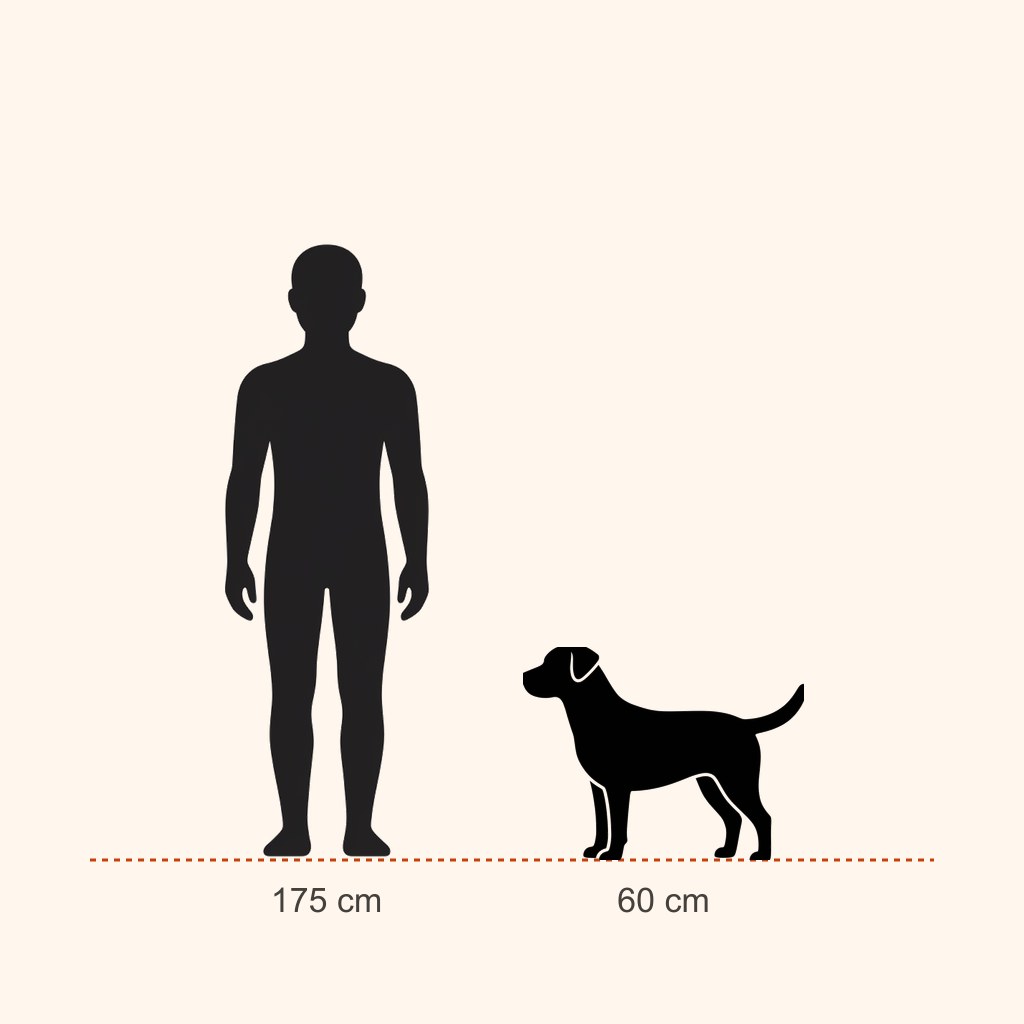
Berger Picard Owner's Guide
Last updated:
Is a Berger Picard right for you?
The Berger Picard (Picardy Shepherd) is one of France's oldest herding breeds, yet it remains almost unknown outside France and North America. Its rough, wiry coat, naturally erect ears, and shaggy eyebrows give it a permanently "smiling" expression. This is a working herding dog that makes independent decisions, not a lapdog.
| Situation | Suitability | Note |
|---|---|---|
| Apartment | Poor | Possible with heavy daily exercise, but not ideal |
| Family with young children | Moderate | Bonds well and stays balanced once properly socialised |
| First-time dog owner | Poor | Independent and stubborn; needs a consistent, experienced handler |
| House with a yard | Good | Suits an active household; fencing must be secure |
| Household with fur allergies | Moderate | Low-odour, low-oil coat but sheds regularly |
| Left alone for long hours | Poor | Bonds tightly to its people and dislikes being alone |
| Active, sporty family | Excellent | Thrives on long walks, running, and dog sports |
The biggest practical reality with this breed: breeders are extremely scarce almost everywhere. If you're considering one, you'll likely be dealing with an imported puppy or one of a handful of breeders worldwide, which makes verifying pedigree and health testing even more important.
Despite a silhouette that superficially resembles a German Shepherd, the temperament and working style are quite different; the Picard is more independent and tires quickly of repetitive, command-driven drills.
Before you adopt
Because the breed is rare, look specifically for a line with documented hip evaluations and eye exams (PRA screening) in the parents.
The Berger Picard nearly disappeared twice, decimated by trench warfare in the Somme region during both World Wars. With only a few thousand individuals worldwide today, the gene pool is relatively narrow, so ask breeders to be transparent about genetic diversity and relatedness.
Temperament
The Berger Picard is lively, intelligent, and observant. It is confident and even-tempered but initially reserved with strangers.
It bonds strongly with one person or family. With good socialisation it gets along well with children and other dogs; without it, that reserve can turn into shyness.
Its herding heritage of independent decision-making shows up as stubbornness in obedience work. It gets bored with repetitive, monotonous training; short, varied, reward-based sessions work better.
Prey drive is noticeable, and it may chase small animals. Expect this behaviour unless it's raised alongside a resident cat or rabbit from puppyhood.
It has a strong voice and uses it as an alert dog, though it isn't described as a constant, nuisance barker. Its "sense of humor" is often mentioned by owners — it's playful and sometimes downright goofy.
Health issues and lifespan
Sources generally put average lifespan at 12 to 14 years. Since it hasn't been heavily overbred, it's considered a generally healthy breed, but a few issues are documented:
- Progressive retinal atrophy (PRA): The most talked-about health concern in the breed. Early signs include reluctance to enter dark spaces, clumsiness, and increased eye shine; a genetic test is available.
- Hip dysplasia: Signs include limping, reluctance to jump, and difficulty rising. Ask breeders for hip certification.
- Dilated cardiomyopathy (DCM): Heart muscle enlargement; signs include rapid breathing, bluish gums, a wet cough, and reduced exercise tolerance. See a vet promptly if suspected.
- Hypothyroidism: Unexplained weight gain, lethargy, and recurring skin or ear infections; diagnosed by blood test and managed with lifelong medication.
needs_review: Health issues and lifespan — No breed-specific health survey from a national breed club was found for this rare breed; the list above relies on general sources (AKC, PetMD).
Feeding
An adult Berger Picard (51-71 lb / 23-32 kg) eats roughly 300-420 g of quality dry food per day, adjusted for activity level.
- Puppy (2-18 months): Medium/large-breed puppy food, three meals a day. This breed has relatively slow bone development, so avoid rushing growth.
- Adult: As an active herding breed it does well on a moderate-to-high-protein diet, split into two meals.
- Senior (8+ years): Reduce calories and consider joint support.
Overeating isn't typically a breed trait, but when its working drive isn't met (for example, in an apartment), excess calories still turn into weight gain quickly.
Grooming and coat
Coarse, wiry, medium-length double coat that is naturally low-oil, so it resists dirt and rarely smells.
- Brush once or twice a week; increase during spring and autumn shedding.
- Bathing is rarely needed thanks to the coat's dirt-repelling nature.
- Hand-stripping can shape the wiry coat, though most pet owners skip this.
- Erect ears ventilate well but should still be checked regularly.
- Nails monthly; teeth brushed several times a week.
Training and exercise
Daily need is at least 1 to 1.5 hours, ideally including a mental/physical job like a long walk, running, agility, or tracking.
Priorities:
- Socialisation (8-16 weeks and through the first two years). Sources emphasise that this breed needs an especially extended socialisation window.
- Short, varied training sessions. Repetition bores this breed; gamified tasks work better.
- Recall and leash discipline. Given the prey drive, reliable recall is a priority.
- Controlled introductions to small pets. If there's a resident cat, raise them together from puppyhood.
- Give it a job. Agility, tracking, or herding sports satisfy this breed's mental needs.
History
The Berger Picard takes its name from the Picardy region of France and is one of the country's oldest known herding breeds, depicted in medieval tapestries and woodcuts.
The breed's history was interrupted twice by world war: the Somme region, the heart of the breed's homeland, was devastated by trench warfare in World War I, and the population nearly vanished again after World War II.
The French breed club gained official recognition in 1959, but the AKC didn't fully admit the breed to its Herding Group until July 2015. Its path to American recognition has an unusual footnote: several Berger Picards, imported from France, played the lead dog in the 2005 film "Because of Winn-Dixie," and the movie's popularity helped spark American interest in the breed. Even so, it remains genuinely rare — only a few thousand exist worldwide, with just a few hundred in North America.
This guide is for information only and is not a substitute for veterinary advice. Prices are approximate and vary by region and time.
Adoption Prep Checklist
Housing
-
Large-breed dog bed
A comfortable bed supports joint health.
Feeding
-
Large-breed dog food
Food matched to breed size gives the right nutritional balance.
-
Food and water bowl set
Needed for daily feeding and water access.
Grooming
-
Short-hair dog brush
Regular brushing reduces shedding and matting.
-
Dog nail clippers
Regular nail care matters for healthy walking.
-
Dog shampoo
Use a dog-specific shampoo for skin and coat health.
Walking & Activity
-
Running/exercise dog harness
Needed for safe walks.
-
Interactive dog puzzle toy
Mental and physical stimulation reduces behavior problems.
Frequently Asked Questions
Does the Berger Picard shed?
Shedding is low. Brushing once a week is usually enough, with a mild increase during seasonal changes.
Can the Berger Picard live in an apartment?
Possible but not ideal. A house with outdoor space is preferable; in an apartment you will need to increase daily exercise substantially.
Is the Berger Picard good with children?
Generally yes. It adapts well to families with children. Even so, interactions should be supervised and children taught to respect the animal’s boundaries.
Is the Berger Picard suitable for first-time dog owners?
Partly. Someone with basic experience will manage well, but it would not be the first choice for a complete beginner.
How much exercise does the Berger Picard need?
It is high-energy and needs vigorous daily activity. Mental stimulation matters as much as physical exercise; without enough to do, destructive behaviour follows.
Can the Berger Picard be left alone during the day?
It can be left alone for a few hours. Long, routine absences can bring on boredom-driven behaviour problems; enrichment and a predictable routine reduce that risk.
How long does the Berger Picard live?
The Berger Picard lives 12-14 years on average. Diet, regular veterinary check-ups and early screening for hereditary conditions all affect this directly.
Where does the Berger Picard come from?
The Berger Picard originates from France. The geography a breed was developed in, and the job it was bred for, explain much of its temperament and care needs today.