

Bluetick Coonhound
The image on this page is AI-generated and does not depict a real animal.
- Species
- Dog
- Origin
- United States
- Size
- Large
- Lifespan
- 12-14 years
- Temperament
- Energetic vocal friendly
- Description
Known for its characteristic mottled blue-black coat, a hunting dog bred for raccoon hunting.
- Physical Traits
Short coat with a blue-black mottled pattern, long drooping ears, an athletic body.
- Care / Environment Info
A house with a garden is preferred. Its short coat sheds little, easy to maintain. High exercise needs, a vocal (baying) breed.
Bluetick Coonhound Owner's Guide
Last updated:
Is a Bluetick Coonhound right for you?
The Bluetick Coonhound is a Louisiana-born American hunting dog named for its mottled blue-ticked coat. Descended from French hunting hounds, it was developed to trail raccoons and bigger game like bear and cougar. Sweet and relaxed while snoozing in the shade, but relentless and single-minded once on a trail.
| Situation | Suitability | Note |
|---|---|---|
| Apartment | Poor | Its distinctive "yodel"-like bay can cause problems with neighbours |
| Family with young children | Good | Devoted and friendly, but its energy needs an outlet |
| First-time dog owner | Moderate | Affectionate, but a strong scent drive makes training a challenge |
| Left alone 8+ hours a day | Poor | A breed accustomed to human and canine companionship |
| Household with fur allergies | Poor | Short coat but sheds moderately and regularly |
| House with a yard and secure fence | Good | Never reliable off-leash while trailing a scent |
| Active, outdoorsy family | Excellent | Ideal for long exploration walks and scent work |
The breed's most defining trait is its voice: sources describe the bay as "a loud, yodel-like howl." Not a fit for a household that needs quiet.
Before you adopt
Breeders of this breed are essentially nonexistent in Turkey; you'll most likely be looking at an imported puppy or a rarely-rehomed adult. Ask breeders for hip dysplasia screening and eye exam (cataract) documentation.
This breed is accustomed to working alongside people and other dogs; it's unhappy in an isolated, low-contact environment. Make sure you can meet its daily exercise and companionship needs before adopting.
Coonhound breeds are common in American shelters and rehoming listings; if you're not set on a purebred, similarly built hunting-dog mixes at local shelters are worth considering too — they usually carry the same scent drive and vocal temperament.
Temperament
The Bluetick Coonhound is ambitious, intelligent, and tightly bonded to its family. Bred to work alongside people and other dogs, it prefers company over solitude.
It's extraordinarily single-minded when trailing a scent; once it finds an interesting trail, nothing else gets its attention. This makes obedience training a challenge but is a real asset for scent-work games.
It's affectionate and gentle — aggression isn't part of this breed's character. It's usually friendly with strangers, so think of it as a hunting and family dog, not a guard dog.
It generally gets along well with other dogs, especially given its history of hunting in packs. Prey drive toward small pets (cats, rabbits) can be triggered; early introductions are recommended.
Health issues and lifespan
Sources generally put average lifespan at 11 to 12 years.
- Hip dysplasia: An inherited joint condition; signs include limping, difficulty rising, reluctance to jump, and reduced activity.
- Patellar luxation: The classic sign is intermittently holding up a hind leg for a few strides while walking.
- Ear infections: Long, floppy ears create a moist, low-ventilation environment. Head shaking, foul odor, redness, pain, or discharge call for a same-day check.
- Bloat (gastric dilatation-volvulus): A serious emergency in this deep-chested breed. Unproductive retching, sudden abdominal swelling, restlessness, or collapse call for immediate veterinary care.
- Autoimmune thyroiditis / hypothyroidism: Weight gain, lethargy, skin problems; diagnosed by blood test.
- Cataracts: Clouded vision, which can appear with age or be inherited.
- Pancreatitis: Reported in some sources for this breed; abdominal pain, poor appetite, and vomiting are signs, and a fatty diet raises the risk.
Feeding
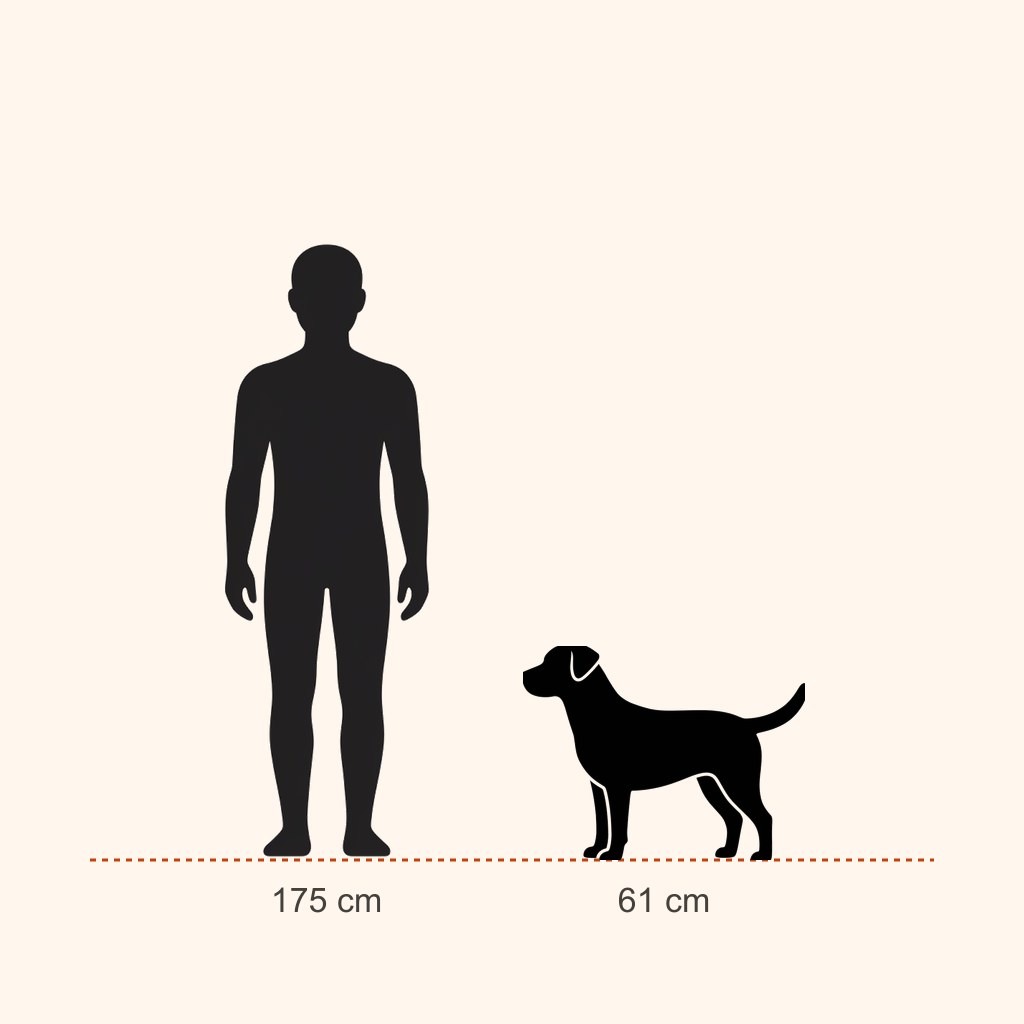
An adult Bluetick Coonhound (50-80 lb / 23-36 kg) eats about 350-500 g of quality dry food per day, adjusted for activity level. As an active hunting breed, watch its weight closely if its lifestyle becomes more sedentary.
- Puppy (2-18 months): Large-breed puppy food, three meals a day. Avoid rushing growth.
- Adult: Moderate-to-high-protein food, split into two meals. Given the bloat risk, favor divided meals and avoid strenuous exercise right before and after eating.
- Senior (7+ years): Reduce calories and add joint support.
Grooming and coat
Short, glossy, low-maintenance coat; the characteristic mottled blue-ticked pattern is the breed's most recognizable trait.
- Weekly brushing is enough to manage moderate shedding.
- Ears need regular checks and must be kept dry — the most critical grooming task for this breed.
- Bathe as needed; more often for dogs that spend a lot of time outdoors.
- Nails every 1-2 weeks, teeth brushed regularly.
Training and exercise
Daily need is at least 1 hour; long exploration walks where it can use its nose are ideal. Exercise should happen on-leash or in a securely fenced area — prey drive rules out off-leash safety.
Priorities:
- Leash discipline and a secure fence. Not reliable off-leash while trailing.
- Recall. Difficult but essential; start at short distances and reinforce with high-value rewards.
- Socialisation (8-16 weeks). Early exposure to other dogs and people supports behavioural balance.
- Patient, reward-based training. Given the strong scent drive, motivation-based methods work better than harsh corrections.
- Scent work and tracking games. The most natural way to meet its mental needs.
- Bark management. Teach a "quiet" cue early; you can't eliminate it entirely, but you can manage its intensity.
History
The Bluetick Coonhound is an American hunting breed shaped in 18th-century Louisiana. Its roots trace to French hunting hounds reportedly gifted by General Lafayette to George Washington — likely French staghounds descended from the Bleu de Gascogne. These dogs were crossed with the English Foxhound, American Foxhound, and black-and-tan Virginia Foxhound in an effort to produce a faster, keener-nosed line.
For a long time the breed was considered a variant of the Black and Tan Coonhound; the United Kennel Club didn't recognize it as a separate breed until 1946, and the AKC followed only in 2009. Its distinctive mottled blue coat pattern and "yodel"-like voice are what set it apart most clearly from other coonhound breeds.
This guide is for information only and is not a substitute for veterinary advice. Prices are approximate and vary by region and time.
Adoption Prep Checklist
Housing
-
Large-breed dog bed
A comfortable bed supports joint health.
Feeding
-
Large-breed dog food
Food matched to breed size gives the right nutritional balance.
-
Food and water bowl set
Needed for daily feeding and water access.
Grooming
-
Short-hair dog brush
Regular brushing reduces shedding and matting.
-
Dog nail clippers
Regular nail care matters for healthy walking.
-
Dog shampoo
Use a dog-specific shampoo for skin and coat health.
Walking & Activity
-
Running/exercise dog harness
Needed for safe walks.
-
Interactive dog puzzle toy
Mental and physical stimulation reduces behavior problems.
Training
-
Training treats / beginner training guide
Basic obedience training is recommended for first-time dog owners.
Frequently Asked Questions
Does the Bluetick Coonhound shed?
Shedding is low. Brushing once a week is usually enough, with a mild increase during seasonal changes.
Can the Bluetick Coonhound live in an apartment?
Possible but not ideal. A house with outdoor space is preferable; in an apartment you will need to increase daily exercise substantially.
Is the Bluetick Coonhound good with children?
Generally yes. It adapts well to families with children. Even so, interactions should be supervised and children taught to respect the animal’s boundaries.
Is the Bluetick Coonhound suitable for first-time dog owners?
Yes. Its care and training are relatively forgiving, which makes it a sound choice for first-time owners.
How much exercise does the Bluetick Coonhound need?
It is high-energy and needs vigorous daily activity. Mental stimulation matters as much as physical exercise; without enough to do, destructive behaviour follows.
Can the Bluetick Coonhound be left alone during the day?
It can be left alone for a few hours. Long, routine absences can bring on boredom-driven behaviour problems; enrichment and a predictable routine reduce that risk.
How long does the Bluetick Coonhound live?
The Bluetick Coonhound lives 12-14 years on average. Diet, regular veterinary check-ups and early screening for hereditary conditions all affect this directly.
Where does the Bluetick Coonhound come from?
The Bluetick Coonhound originates from United States. The geography a breed was developed in, and the job it was bred for, explain much of its temperament and care needs today.