

Borzoi
The image on this page is AI-generated and does not depict a real animal.
- Species
- Dog
- Origin
- Russia
- Size
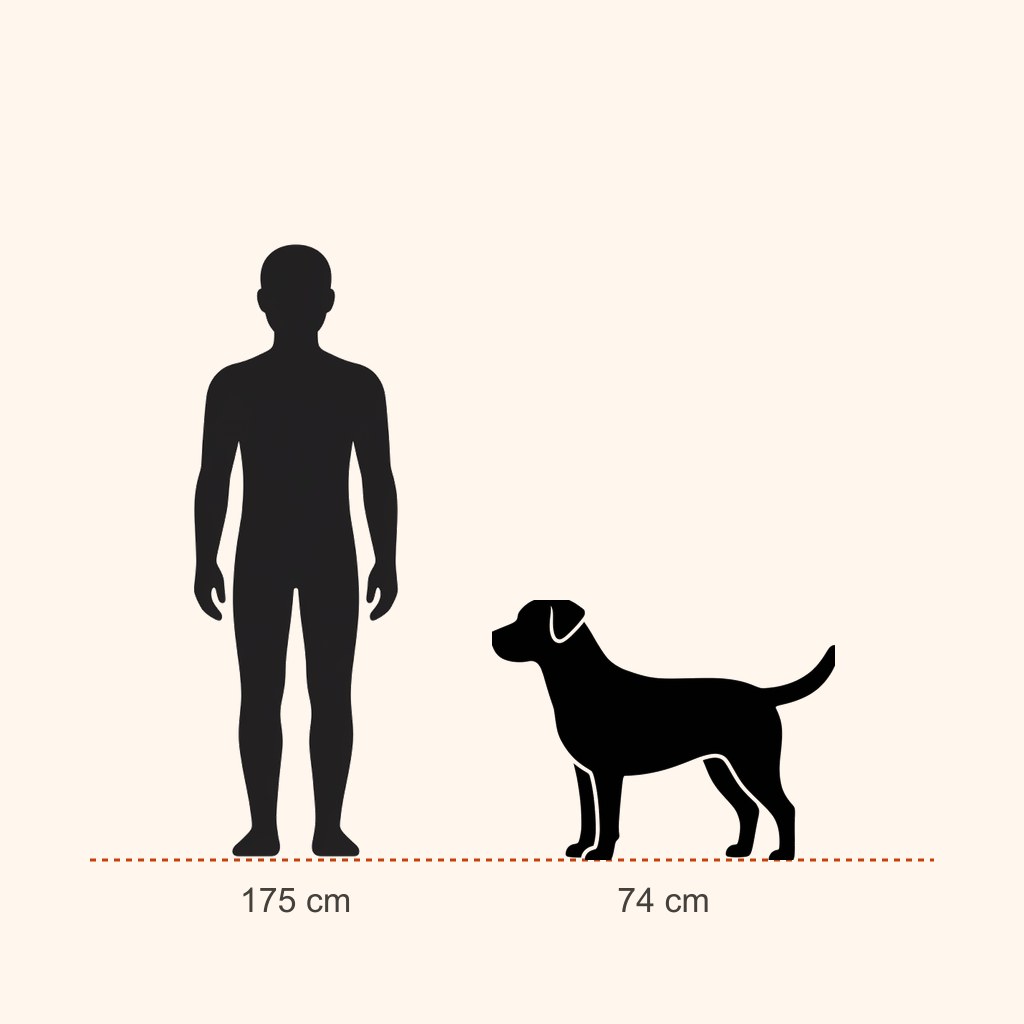
- Very Large
- Lifespan
- 10-12 years
- Temperament
- Calm independent gentle quiet
- Description
Known for its elegant, aristocratic look, a calm Russian sighthound capable of running fast.
- Physical Traits
Long silky wavy coat (various colors), a very long slender muzzle, an elegant long-legged body.
- Care / Environment Info
A house with a garden is preferred. Its long coat sheds moderately, requiring regular brushing. Needs short bursts of running but is quite calm at home.
Borzoi Owner's Guide
Last updated:
Is a Borzoi right for you?
The Borzoi is a giant Russian sighthound with a long, elegant build, developed for hunting wolves. Despite its imposing looks, it is an exceptionally calm and gentle dog indoors; its true character shows outdoors the moment it spots movement. This breed can lie on the sofa for hours, yet can vanish from sight in seconds if let off leash.
| Situation | Suitability | Note |
|---|---|---|
| Apartment | Moderate | Calm indoors, but its size and need for daily running can be demanding |
| Family with young children | Caution | Gentle but large and fast; supervision with small children is essential |
| Household with cats or small pets | Poor | Strong prey drive; may view small, fast-moving animals as quarry |
| First-time dog owner | Caution | The calm temperament seems easy, but its independent nature requires experience |
| Fenced yard or large open space | Excellent | A safe running area is nearly essential for this breed |
| Hot summer climate | Caution | Despite its light coat, exercise should be limited in extreme heat |
| Owner wanting a calm, quiet household | Excellent | Rarely barks indoors; a dignified breed |
The Borzoi's famous sighthound calm can be misleading: this is not a low-energy breed, but one that spends its energy in short, explosive bursts.
Before you adopt
Look for puppies from parents evaluated for hip and elbow dysplasia and screened by eye exam. Ask the breeder about any family history of heart disease (cardiomyopathy), which has been reported in some lines.
The Borzoi is a rare breed in many countries; if you're considering an imported puppy, keep in mind that long-distance transport can be stressful for this large, sensitive breed. Rehoming options for adult Borzois are limited, but it's worth checking sighthound rescue groups.
Temperament
The Borzoi has a calm, dignified, and somewhat aloof character. It is deeply attached to its family without being clingy — it's often described as "the cat of the dog world." It can be reserved with strangers, so early socialisation matters.
Its prey drive is very strong. As a sighthound, it instantly notices anything that moves — a bicycle, a running child, a small animal — and can reach speeds of 55-65 km/h (35-40 mph) within seconds of giving chase. This behaviour cannot be trained away, only managed through a safe environment and strict leash discipline.
It is an independent thinker; it doesn't rank high on classic obedience lists, but that does not mean it isn't intelligent. It tends to make its own decisions and grows bored with repetitive commands.
Health issues and lifespan
Sources generally report an average lifespan of 9 to 14 years, a typical range for a giant breed.
- Gastric dilatation-volvulus (bloat/GDV): The most serious emergency for this deep-chested breed. A distended abdomen, dry retching, restlessness, and excessive drooling are signs; it can be fatal within minutes and requires immediate veterinary care.
- Hip and elbow dysplasia: Shows up as limping and difficulty rising.
- Osteochondritis dissecans (OCD): A joint cartilage condition affecting dogs during growth; sudden lameness is the sign.
- Progressive retinal atrophy (PRA): Causes gradual vision loss, with bumping into things in the dark often the first sign.
- Cardiomyopathy: A heart muscle disease reported in some lines; lethargy and reduced exercise tolerance are among the signs.
- Anesthesia and drug sensitivity: With low body fat and high muscle mass, this breed is sensitive to anesthetics and certain flea/tick products; inform your vet before any surgery.
Feeding
An adult Borzoi (30-48 kg) eats about 400-550 g of quality dry food per day, depending on activity level.
- Puppy (2-18 months): Large-breed puppy food; because rapid growth can trigger joint problems, controlled calcium and calorie intake matters.
- Adult: Two smaller meals a day are recommended; one large meal increases bloat risk.
- Senior (7+ years): Calories reduced; joint support can be added.
Avoiding vigorous exercise for at least an hour before and after meals is the simplest way to reduce bloat risk in this breed.
Grooming and coat
Long, silky, wavy coat.
- Brush 2-3 times a week, ideally daily; it sheds year-round with heavier shedding at seasonal changes.
- Bathe as needed, typically every 6-8 weeks.
- Check ears weekly.
- Trim nails regularly; they can grow quickly in this breed.
- Check the long hair on the legs and tail regularly for tangles.
Training and exercise
Daily requirement: 45-60 minutes; a long walk plus the chance for free running in a safe, fenced area is ideal. The Borzoi is not a breed that runs continuously — it moves in short, intense bursts.
Priorities:
- Leash discipline and a secure area. This breed can never be reliably off-leash; running should only happen in fenced, enclosed spaces.
- Socialisation (8-16 weeks). Early exposure to strangers and different environments reduces shyness.
- Patient obedience training. Short, varied, reward-based sessions; its independent nature means it tires of long, repetitive drills.
- Controlled introductions to small pets. If there's a cat at home, gradual introduction from puppyhood is needed — success cannot be guaranteed.
- Calm-waiting training. Waiting calmly at doors or outdoors without reacting to sudden movement matters for safety.
History
The Borzoi took shape from the 17th century onward as a sighthound used by Russian nobility to hunt wolves. Its hunting method was distinctive: mounted hunters and packs of hounds would drive the wolf into open ground, where the Borzoi would run it down by sight and hold it until the hunter arrived.
The breed carried great prestige among the Russian aristocracy; tsars and grand dukes ran their own breeding programs, and some noble families kept hundreds of Borzois. The breed was brought to England and America in the 19th century and became known as the "Russian Wolfhound"; its official name changed to Borzoi in 1936.
The 1917 Russian Revolution threatened the breed's future at home; Borzois, closely identified with the aristocracy, were largely killed or abandoned. The breed's survival depended heavily on individuals already exported to the West and the breeders who kept them there. Today the Borzoi remains loved worldwide, both on the racetrack and as a calm family companion. Check your country's import rules before bringing one in, since the breed is uncommon in many places.
This guide is for information only and is not a substitute for veterinary advice. Prices are approximate and vary by region and time.
Adoption Prep Checklist
Housing
-
Large-breed dog bed
A comfortable bed supports joint health.
Feeding
-
Large-breed dog food
Food matched to breed size gives the right nutritional balance.
-
Food and water bowl set
Needed for daily feeding and water access.
Grooming
-
De-shedding brush
Regular brushing reduces shedding and matting.
-
Dog nail clippers
Regular nail care matters for healthy walking.
-
Dog shampoo
Use a dog-specific shampoo for skin and coat health.
Walking & Activity
-
Dog leash and collar set
Needed for safe walks.
-
Plush dog toy
Mental and physical stimulation reduces behavior problems.
Frequently Asked Questions
Does the Borzoi shed?
It sheds a moderate amount. Brushing two or three times a week noticeably reduces both loose hair and matting.
Can the Borzoi live in an apartment?
Possible but not ideal. A house with outdoor space is preferable; in an apartment you will need to increase daily exercise substantially.
Is the Borzoi good with children?
Generally yes. It adapts well to families with children. Even so, interactions should be supervised and children taught to respect the animal’s boundaries.
Is the Borzoi suitable for first-time dog owners?
Partly. Someone with basic experience will manage well, but it would not be the first choice for a complete beginner.
How much exercise does the Borzoi need?
It needs a moderate amount of exercise. Daily activity plus some play time makes for a balanced routine.
Can the Borzoi be left alone during the day?
It tolerates being alone well. That makes it workable for someone employed full time, though it will still expect attention and activity on your return.
How long does the Borzoi live?
The Borzoi lives 10-12 years on average. Diet, regular veterinary check-ups and early screening for hereditary conditions all affect this directly.
Where does the Borzoi come from?
The Borzoi originates from Russia. The geography a breed was developed in, and the job it was bred for, explain much of its temperament and care needs today.