

Caucasian Shepherd Dog
The image on this page is AI-generated and does not depict a real animal.
- Species
- Dog
- Origin
- Caucasus
- Size
- Very Large
- Lifespan
- 10-12 years
- Temperament
- Brave protective independent aloof
- Description
Bred for livestock guarding in the Caucasus region, a giant and very powerful guard dog.
- Physical Traits
Very thick, lush coat, a massive muscular body, a broad head.
- Care / Environment Info
Requires a large garden/land, not suitable for apartment living. Its thick coat sheds heavily, requiring regular brushing. Moderate exercise, but early and thorough socialization is essential due to its strong protective instinct.
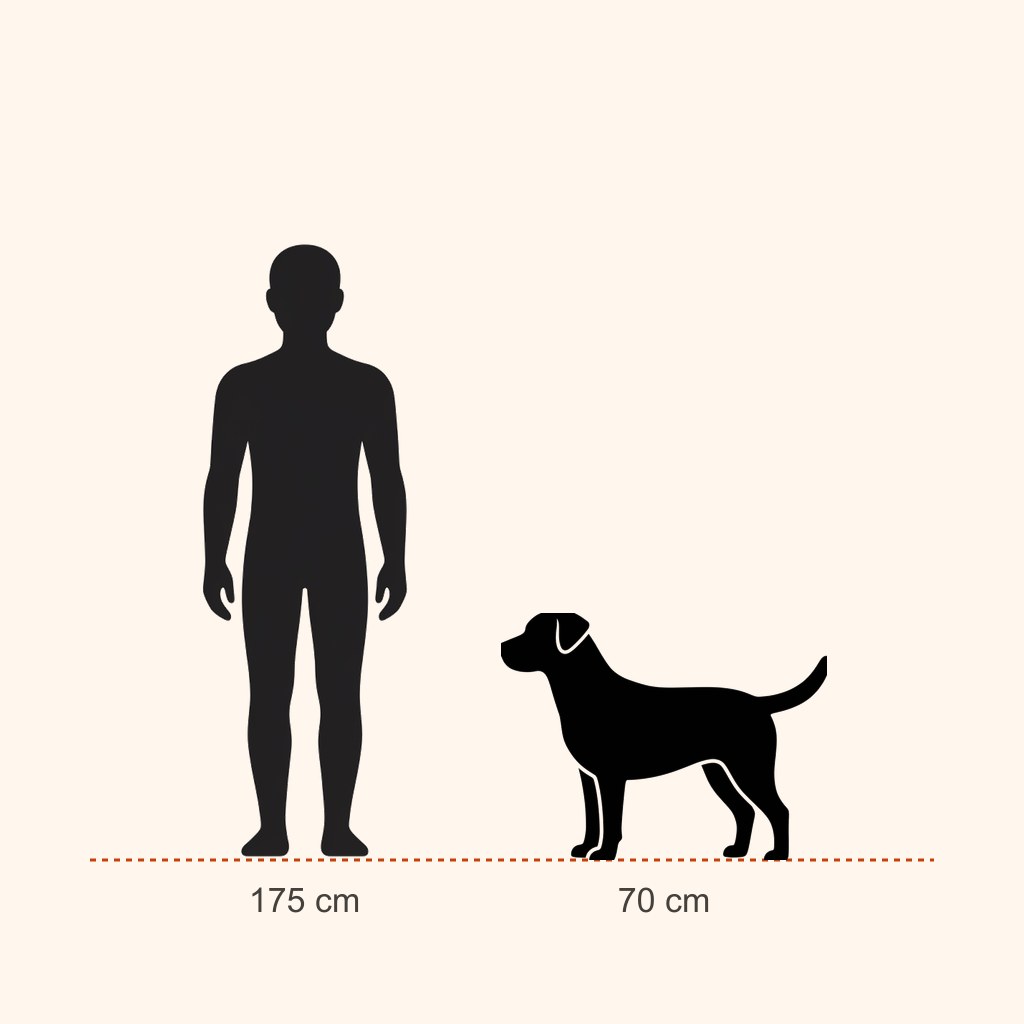
Caucasian Shepherd Dog Owner's Guide
Last updated:
Is a Caucasian Shepherd Dog right for you?
The Caucasian Shepherd Dog (Kavkazskaya Ovcharka) is a giant guardian used to protect flocks, folds and homes across the Caucasus Mountains and the steppes of southern Russia, and systematically selected in the Soviet Union from the 1920s. The FCI standard classifies it as a guard and watchdog. Its "bear-like" look draws attention on social media, but even among livestock guardians this is one of the breeds with the hardest protective instinct, and in inexperienced hands it is a serious risk.
| Situation | Suitability | Note |
|---|---|---|
| Apartment | Unsuitable | A 45-70 kg guardian that reacts to anyone entering its territory is simply in the wrong place |
| Family with young children | Caution | Gentle with its own family; visiting children and playmates are a risk |
| First-time dog owner | Unsuitable | The situation this breed forgives least |
| Home with frequent visitors | Poor | As the AKC also warns, having people over can become difficult |
| House with a garden | Moderate | A very strong, high fence and a secure entrance arrangement are essential |
| Farm or large property | Good to excellent | The right setting with an experienced owner |
| Hot lowland or coastal climate | Poor | A thick coat of at least 5 cm; struggles in summer heat |
| Household with fur allergies | Unsuitable | Long coat and heavy seasonal shedding |
The question to ask yourself is not "could I love this dog?" but "if a 60 kg dog walks towards the courier at the gate, can I stop it, and can I set up a routine where that never happens?"
Before you adopt
Check local laws before committing. The breed is banned in Denmark and restricted in some other countries. In Turkey it is not on the Ministry's list of dangerous breeds under Law No. 5199 (American Pit Bull Terrier, Dogo Argentino, Fila Brasileiro, Japanese Tosa, American Staffordshire Terrier, American Bully). If you may move abroad, factor this in.
When choosing a puppy, see the parents' temperament in person. A watchful adult is normal; parents that are out of control, ignore their owner or cannot be taken out of a kennel are serious warning signs. Ask for hip and elbow X-ray results.
The FCI standard notes that ears are traditionally cropped in the country of origin but that natural ears are of equal value. Cosmetic ear cropping is not acceptable on welfare grounds and is illegal in many countries; avoid sellers offering cropped puppies.
Be realistic, too: this is not a dog you can stroll through streets, parks or dog runs. Most of its life will be spent on its own property.
Temperament
The FCI standard describes its behaviour as steady, active, self-confident, fearless and independent, with a devoted attachment to its owner. The AKC describes a dog that is bold and fierce when a threat is present, yet soft and affectionate with its family and the household's other animals.
Experienced owners consistently note that its protective response is fast and decisive; it may act with little warning. Do not count on it barking and backing off when a stranger or dog enters its territory.
Indoors it is mostly calm and quiet; outdoors, active and alert. Training is hard but not impossible; the AKC calls it highly independent and intelligent.
Two types are seen: the longer-coated, heavier mountain type and the shorter-coated, lighter steppe type.
Health issues and lifespan
Sources usually give 10-12 years. Large-scale breed-specific data are limited; a 2024 UK lifespan study found a much shorter median in a sample of only 22 dogs, so that figure should be read with caution. As a giant breed, be prepared for:
- Hip and elbow dysplasia: Limping, difficulty rising, tiring quickly on walks. Parent X-rays are the best prevention.
- Gastric dilatation-volvulus (bloat): A life-threatening emergency in deep-chested giant dogs. Go to a vet immediately for a swollen belly, unproductive retching, drooling and restlessness.
- Obesity: Develops quickly in low-energy adults and wrecks joints. If the waist has disappeared, reduce portions.
- Eyelid problems: Inward or outward rolling of the eyelids occurs in heavy-faced giant breeds; watering and redness need an examination.
- Heatstroke: The most real summer risk because of the thick, long coat. Heavy panting, staggering and dark red gums are emergency signs.
- Difficulty with vet examinations: Not a disease but a practical health problem. An adult never accustomed as a puppy to having its mouth, ears and paws handled, or to a muzzle, may be impossible to examine even in an emergency.
Feeding
An adult Caucasian (at least 45-50 kg under the FCI standard, often heavier) eats roughly 700-1,000 g of quality dry food a day. Activity is low, so start at the lower end of the package guidance.
- Puppy: Giant-breed puppy food, no added calcium. Growth can take two years; grow slowly, not fast.
- Adult: Quality protein, measured calories. Check ribs by hand under the thick coat; looking is misleading.
- Senior: Reduce calories; a joint-friendly food can be introduced.
Two meals a day, with no strenuous activity for an hour before and after. In summer, moving meals to cooler hours helps appetite.
Grooming and coat
Under the FCI standard the outer coat and undercoat are at least 5 cm long, forming a mane on the neck, "brushes" on the ears and "trousers" on the hind legs.
- Long-coated dogs need frequent brushing, daily during seasonal sheds.
- A shedding season cannot be managed without an undercoat rake.
- Do not shave. Shade, water, a cool floor and the right hours are how it copes with heat.
- Nails grow quickly; trim or file regularly.
- Check ears regularly and brush teeth.
- Accustom it to grooming as a puppy; forcibly brushing an adult Caucasian is not possible.
Training and exercise
The AKC describes a low-energy but hardy dog: a large yard and daily walks. Exercise should always be in a fenced area or on lead.
In hot summers, move walks to very early morning and night. Provide a shaded, breezy resting place, ideally on soil. Cool uplands and mountain areas suit this breed far better than hot plains.
- Early and ongoing socialisation: Many people, sounds and settings as a puppy. In this breed socialisation is lifelong, not a one-off.
- A controlled visitor routine: The safest approach is for the dog to be in a separate, secure area before guests arrive.
- Muzzle and handling training: With rewards, from an early age.
- Basic cues: Sit, wait, leave it. Short, consistent sessions; harsh methods raise the risk of redirected aggression.
- Professional support: With large guardian breeds an experienced trainer is a necessity, not a luxury. Do not have it trained in protection or bite work.
History
According to the FCI standard, the Caucasian Shepherd Dog descends from ancient Caucasian dogs, and its range stretches from the Caucasus ranges to the steppes of southern Russia. Human influence shaped the breed as much as natural selection. The standard also mentions a record of large molosser dogs in the army of the Armenian king Tigran II in the 1st century BC.
The AKC describes its homeland as a wide area including Georgia, Armenia, Azerbaijan, Dagestan, north-eastern Turkey and Iran. Systematic selection began in the Soviet Union in the 1920s, prioritising physical power, self-confidence, keen hearing and a thick, weatherproof coat. The breed made its first Western show appearance in Germany in the 1930s.
In the Soviet era it was used for military and border guarding, and working guard dogs still exist in Russia. In the West it is mostly kept as a guardian and family dog; this change altered its surroundings, not its nature.
This guide is for information only and is not a substitute for veterinary advice. Prices are approximate and vary by region and time.
Adoption Prep Checklist
Housing
-
Large-breed dog bed
A comfortable bed supports joint health.
Feeding
-
Large-breed dog food
Food matched to breed size gives the right nutritional balance.
-
Food and water bowl set
Needed for daily feeding and water access.
Grooming
-
De-shedding brush
Regular brushing reduces shedding and matting.
-
Dog nail clippers
Regular nail care matters for healthy walking.
-
Dog shampoo
Use a dog-specific shampoo for skin and coat health.
Walking & Activity
-
Dog leash and collar set
Needed for safe walks.
-
Plush dog toy
Mental and physical stimulation reduces behavior problems.
Frequently Asked Questions
Does the Caucasian Shepherd Dog shed?
It sheds heavily, especially at seasonal changes. Expect near-daily brushing and regular cleaning at home; it is not a good choice for anyone sensitive to pet hair.
Can the Caucasian Shepherd Dog live in an apartment?
Not recommended. It needs a large garden or open space. Kept in confined quarters, restlessness and behavioural problems are the expected outcome.
Is the Caucasian Shepherd Dog good with children?
Not recommended for homes with young children. Its temperament or physical characteristics make living alongside children risky.
Is the Caucasian Shepherd Dog suitable for first-time dog owners?
No — it suits experienced owners. Its character, energy or care requirements would be demanding for a first-time owner.
How much exercise does the Caucasian Shepherd Dog need?
It needs a moderate amount of exercise. Daily activity plus some play time makes for a balanced routine.
Can the Caucasian Shepherd Dog be left alone during the day?
It tolerates being alone well. That makes it workable for someone employed full time, though it will still expect attention and activity on your return.
How long does the Caucasian Shepherd Dog live?
The Caucasian Shepherd Dog lives 10-12 years on average. Diet, regular veterinary check-ups and early screening for hereditary conditions all affect this directly.
Where does the Caucasian Shepherd Dog come from?
The Caucasian Shepherd Dog originates from Caucasus. The geography a breed was developed in, and the job it was bred for, explain much of its temperament and care needs today.