

Chow Chow
The image on this page is AI-generated and does not depict a real animal.
- Species
- Dog
- Origin
- China
- Size
- Medium
- Lifespan
- 8-12 years
- Temperament
- Independent loyal dignified aloof
- Description
Known for its coat resembling a lion's mane, an independent and dignified breed.
- Physical Traits
Very thick, fluffy coat (especially mane-like around the neck), a blue-black tongue, a short broad head.
- Care / Environment Info
A house with a garden is preferred. Its very thick coat sheds heavily, requiring regular-to-frequent brushing. Low-to-moderate exercise needs. Sensitive to heat, and its aloof/independent character means early socialization is important.
Chow Chow Owner's Guide
Last updated:
Is a Chow Chow right for you?
The Chow Chow is an ancient Chinese breed recognised at a glance by its lion-like ruff, blue-black tongue, and dignified bearing. It may look like a plush toy, but its character is the opposite: aloof, independent, and protective of its personal space. If you want a cuddly lap dog, this breed is likely to disappoint.
| Situation | Suitability | Note |
|---|---|---|
| Apartment | Moderate | Quiet and low-energy, but a hot, stuffy flat is risky in summer |
| Family with young children | Caution | Low tolerance for being handled; children must learn its limits |
| First-time dog owner | Poor | Stubborn and protective; needs a confident, experienced owner |
| Alone for long hours | Moderate | Its independence helps it cope better than many breeds |
| Hot climate, no air conditioning | Not suitable | Dense double coat and short muzzle raise the risk of heatstroke |
| Household with fur allergies | Poor | Heavy shedding, especially in spring and autumn |
| Home with other dogs | Caution | Tension with same-sex dogs can occur; early socialisation needed |
The Chow is clean, quiet, and usually well-mannered indoors. The challenge lies in temperament and grooming rather than energy. If you cannot provide a cool environment in hot summers, consider another breed.
Before you adopt
When buying a puppy, ask for the parents' hip and elbow screening and eye examination results. Entropion is hereditary in this breed; responsible breeders avoid breeding affected dogs and have puppies examined before sale. Walk away from anyone who says eyelid problems are simply normal in Chows.
Always meet the parents. Very aggressive or very fearful parents are a warning sign of socialisation problems in the puppy.
Chows and Chow crosses turn up in shelters. Adopting an adult lets you see its temperament in advance, but expect it to be reserved at first meeting and to take time to warm up.
The Chow Chow is not on the restricted-breed lists of most countries, but rules vary; check local laws before bringing any dog home.
Temperament
The Chow is dignified, calm, and loyal to its family. It shows affection quietly, by staying near you rather than through exuberance, and often bonds most closely with one or two people.
It is wary of strangers and protective of its home and people. This makes it a good watchdog, but without guidance it can become tense around visitors.
It is independent: it understands cues but does not always see the point of obeying. It is known for cat-like cleanliness and usually house-trains quickly.
It does not always enjoy being touched or hugged. Children hugging it or pulling ears or tail are the kind of interactions that can end badly with this breed.
Health issues and lifespan
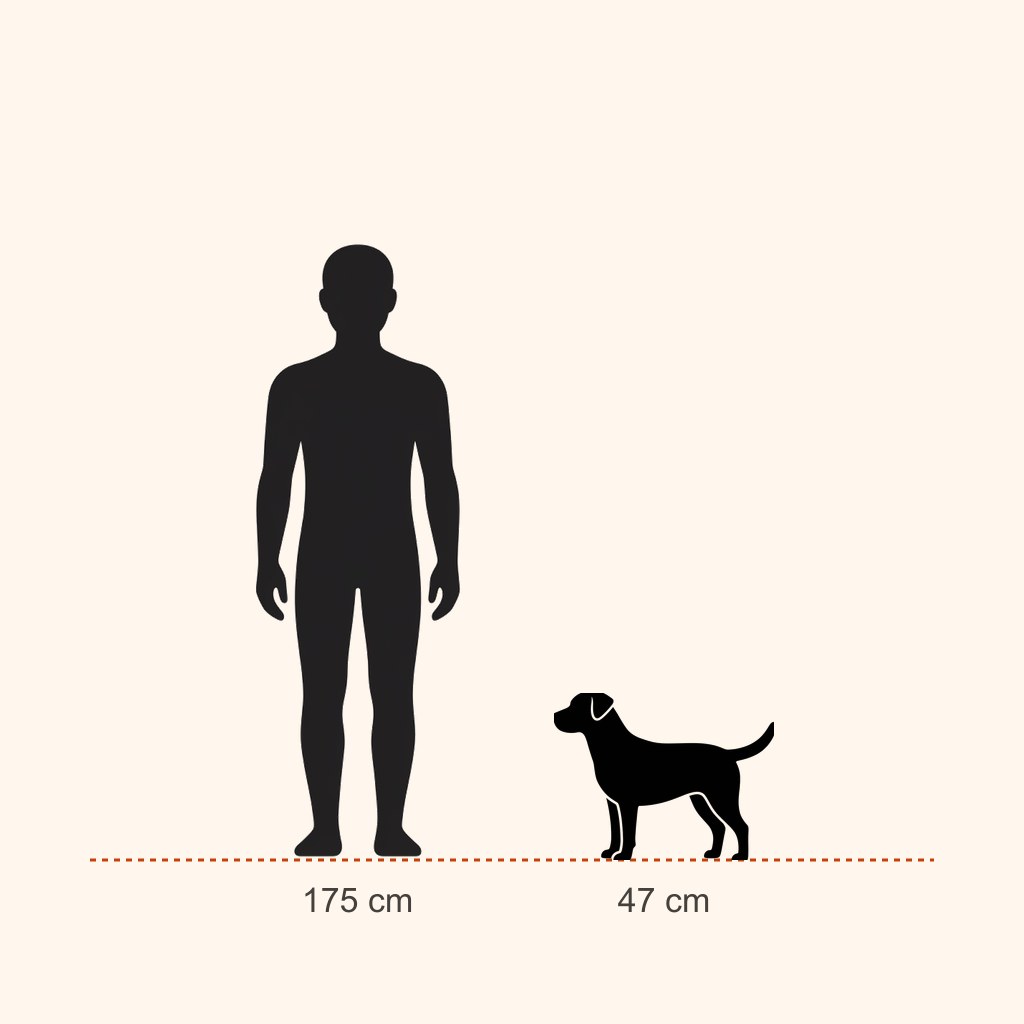
Sources usually give a lifespan of 8 to 12 years; well-cared-for individuals may live longer. Adults weigh roughly 20-34 kg and stand 43-51 cm at the shoulder.
- Entropion: The eyelid rolls inward so lashes and hair rub the eye. Watch for tearing, squinting, pawing, and redness. Untreated, it can cause corneal ulcers. Puppies may receive temporary sutures; definitive surgery is usually done after four to five months of age. See your vet as soon as you notice squinting.
- Heatstroke: A thick coat and short muzzle make it hard to shed heat. Very rapid panting, dark red tongue, drooling, weakness, and stumbling are an emergency. Move the dog somewhere cool, wet it with cool (not icy) water, and go to the vet immediately. Never leave it outside in hot weather.
- Hip and elbow dysplasia: Lameness, difficulty rising, reluctance on stairs.
- Hypothyroidism: Weight gain, lethargy, hair loss, skin problems. Diagnosed by blood test.
- Gastric dilatation-volvulus (bloat): A risk in deep-chested dogs. A swollen belly, retching without producing anything, and restlessness are a life-threatening emergency.
- Other eye disease: Glaucoma, cataracts, and progressive retinal atrophy are reported.
- Anaesthetic caution: Like other short-muzzled breeds, Chows need extra care under anaesthesia; discuss this with your vet before any procedure.
Feeding
An adult Chow (20-34 kg) is a low-energy breed and should be fed with care; around 250-400 g of quality dry food a day is a reasonable starting point, adjusted to the food's feeding guide and your dog's body condition.
- Puppy (2-12 months): Medium-to-large breed puppy food, three meals a day. Rapid weight gain stresses the joints.
- Adult: Two meals a day. Foods with good omega-3 content can support coat quality.
- Senior (8+ years): Reduce calories and check weight more often.
The thick coat hides weight gain, so feel for the ribs with your hands. Avoid vigorous activity for about an hour before and after meals. Fresh water must always be available in summer.
Grooming and coat
Chows come in two coat types: rough (long, stand-off) and smooth (short, hard). Both are double coats and both need work.
- Brush down to the skin at least two to three times a week, and daily during the shed, or the undercoat will mat.
- Mats form especially behind the ears, in the armpits, and on the hind legs.
- Do not shave it for summer. The coat insulates; air conditioning, shade, and regular brushing do more to keep it cool. For a badly matted coat, decide with a groomer.
- Dry the undercoat completely after bathing; damp coat can lead to hot spots.
- Check around the eyes daily; discharge can be the first sign of entropion.
- Nails checked weekly, ears once a week.
Budget for professional grooming help.
Training and exercise
Daily requirement: two walks of about 20-30 minutes plus short play sessions. A Chow is not a jogging or long-hike partner.
In hot weather, move walks to early morning and after sunset, and test pavement temperature with the back of your hand.
Priorities:
- Socialisation (8-16 weeks). The most critical point. Different people, children, dogs, sounds, and places. Poor socialisation can turn into aggression towards strangers in this breed.
- Handling. Brushing, eye and ear checks, and nail trims should be taught with rewards from puppyhood.
- Basic cues. Short, consistent sessions; Chows quickly lose interest in repetitive drills.
- Visitor routine. Teaching it to go to a set place when the doorbell rings helps manage protective reactions.
Harsh methods backfire. A Chow resists pressure and loses trust; it needs a calm, consistent, respectful approach.
History
The Chow Chow is considered one of China's oldest dog types. It was an all-purpose working dog used for hunting, guarding, and pulling.
The blue-black tongue is its best-known trait; puppies are born with pink tongues that darken as they grow. The Shar-Pei shares this feature.
The breed reached England in the late 18th century and became known in the West during the 19th century. The name is often said to come from a slang term for assorted goods shipped from China. Today it is mostly a companion dog, but it retains the independent, protective character of a working breed.
This guide is for information only and is not a substitute for veterinary advice. Prices are approximate and vary by region and time.
Adoption Prep Checklist
Housing
-
Medium-breed dog bed
A comfortable bed supports joint health.
Feeding
-
Medium-breed dog food
Food matched to breed size gives the right nutritional balance.
-
Food and water bowl set
Needed for daily feeding and water access.
Grooming
-
De-shedding brush
Regular brushing reduces shedding and matting.
-
Dog nail clippers
Regular nail care matters for healthy walking.
-
Dog shampoo
Use a dog-specific shampoo for skin and coat health.
Walking & Activity
-
Dog leash and collar set
Needed for safe walks.
-
Plush dog toy
Mental and physical stimulation reduces behavior problems.
Frequently Asked Questions
Does the Chow Chow shed?
It sheds heavily, especially at seasonal changes. Expect near-daily brushing and regular cleaning at home; it is not a good choice for anyone sensitive to pet hair.
Can the Chow Chow live in an apartment?
Possible but not ideal. A house with outdoor space is preferable; in an apartment you will need to increase daily exercise substantially.
Is the Chow Chow good with children?
Caution is warranted. With proper socialisation and adult supervision it can live with children, but it is not a first choice for homes with young children.
Is the Chow Chow suitable for first-time dog owners?
No — it suits experienced owners. Its character, energy or care requirements would be demanding for a first-time owner.
How much exercise does the Chow Chow need?
Its energy level is low. Short, regular activity is enough; strenuous exercise is not required.
Can the Chow Chow be left alone during the day?
It tolerates being alone well. That makes it workable for someone employed full time, though it will still expect attention and activity on your return.
How long does the Chow Chow live?
The Chow Chow lives 8-12 years on average. Diet, regular veterinary check-ups and early screening for hereditary conditions all affect this directly.
Where does the Chow Chow come from?
The Chow Chow originates from China. The geography a breed was developed in, and the job it was bred for, explain much of its temperament and care needs today.