

Papillon
The image on this page is AI-generated and does not depict a real animal.
- Species
- Dog
- Origin
- France/Belgium
- Size
- Very Small
- Lifespan
- 12-15 years
- Temperament
- Intelligent lively friendly alert
- Description
Known for its butterfly-wing-like ears, an intelligent and energetic small lap dog.
- Physical Traits
Long silky coat, wide, fringed upright ears like butterfly wings, a very small elegant body.
- Care / Environment Info
Very suitable for apartment living. Its long coat sheds little, regular brushing is enough. Moderate exercise needs.
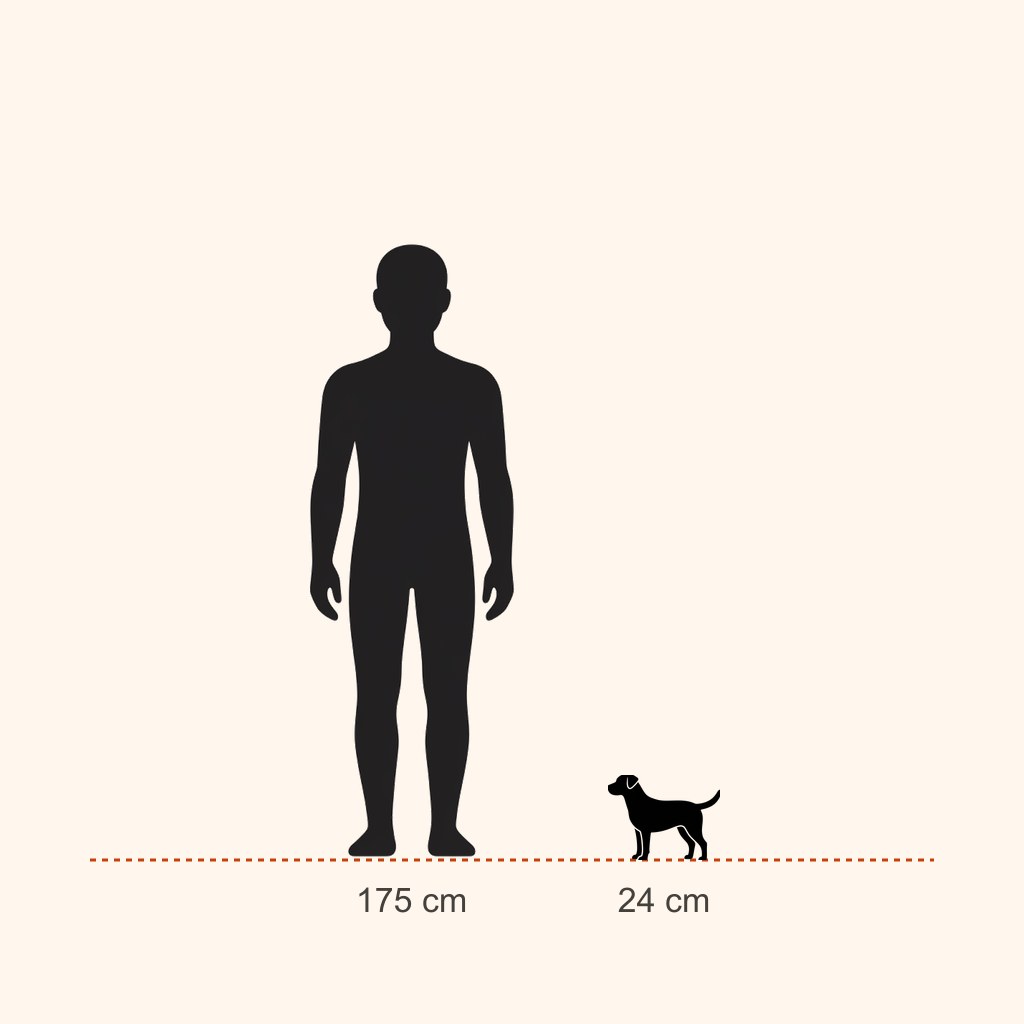
Papillon Owner's Guide
Last updated:
Is a Papillon right for you?
The Papillon takes its name from the French word for butterfly: the erect, heavily fringed ears look like open butterfly wings. This 2-4 kg dog is one of the most athletic and most trainable of the toy breeds. Behind the ornamental looks is a real working mind — it competes in obedience and agility against dogs many times its size.
This is not the breed for a home looking for a quiet lap dog. If you do not occupy a Papillon's mind, it will find itself a job, and that job is usually barking.
| Situation | Suitability | Note |
|---|---|---|
| Apartment | Good | Size fits; daily mental work is essential |
| Family with young children | Moderate | Loves children but is fragile; risk of falls and being stepped on |
| First-time dog owner | Good | One of the most willing learners among toy breeds |
| Alone 8+ hours a day | Poor | Very attached; prone to separation anxiety |
| Limited grooming budget | Good | No undercoat; no clipping needed, brushing is enough |
| Wanting to do dog sports | Excellent | Agility and obedience are where this breed shines |
| Home that needs quiet | Moderate | Alert and quick to announce; barking needs managing |
| Regular large-dog park routine | Caution | The size difference is a genuine injury risk |
Before you adopt
The Papillon does not appear on the usual restricted-breed lists, but registration, microchipping, and dangerous-breed rules differ from country to country; check your local regulations before you commit.
Avoid any advertisement that sells extreme smallness as a selling point. Terms such as "teacup" or "micro" do not exist in the breed standard, and such dogs show more low blood sugar, fragile bones, and open fontanelles. A healthy Papillon is already small; it does not need shrinking.
Ask the breeder for the parents' patella and eye examination results. Have your vet check whether the puppy has an unclosed soft spot (open fontanelle) on the top of the skull.
The Papillon and the Phalène are two ear types of the same breed: the Papillon's ears stand up, the Phalène's hang down. There is no difference in temperament or health.
Temperament
The Papillon is cheerful, curious, and permanently in "what's going on?" mode. It bonds tightly with its family, follows you through the day, and wants to be included.
Its learning speed is the breed's most striking feature. It can pick up a new cue in a handful of repetitions — but the flip side is that it learns unwanted behaviour just as fast. A Papillon that gets picked up when it barks has just learned that barking works.
It is usually friendly rather than shy with strangers, and gets on well with other dogs. But it forgets its own size and dives in among big dogs, so supervision in the park is essential.
For all its courage, it is physically fragile. Jumping from heights, falling out of arms, and being stepped on are the most common accidents in this breed. In a home with small children, the rule "the dog is left alone when it is on the floor" should be set from day one.
Health issues and lifespan
Sources generally give a lifespan of 12-16 years; the Papillon is counted among the longer-lived breeds.
- Patellar luxation: The most common orthopaedic problem in small breeds. The classic sign is a hind leg held up for a few strides, then kicked sideways to pop the kneecap back into place. Mild grades are managed with weight control and muscle condition; higher grades need surgery. Untreated cases lead to arthritis over time.
- Dental and gum disease: Teeth are crowded in a small jaw and tartar builds early. Neglected dental disease in this breed is not just a mouth problem; as it advances it burdens the kidneys, liver, and heart. Bad breath, bleeding gums, or difficulty eating all mean a vet visit.
- Progressive retinal atrophy (PRA) and other eye problems: First a loss of vision in dim light, then in daylight. Bumping into things, hesitant walking, and restlessness in the dark should raise suspicion.
- Tracheal collapse: Seen in small breeds; a dry, honking cough is typical. Using a harness instead of a neck collar reduces the risk.
- Open fontanelle: An unclosed soft spot on the skull, which must be protected from knocks.
- Low blood sugar in puppies (hypoglycaemia): In very small puppies, a long fast can cause weakness, trembling, staggering, and confusion. This is an emergency, and it is prevented by small, frequent meals.
Feeding
An adult Papillon (2-4.5 kg) eats roughly 50-90 g of good-quality dry food a day. The amount depends on the calorie density of the food and the dog's activity; the real measure is the weekly weigh-in.
- Puppy (2-6 months): Small-breed puppy food, 3-4 meals a day. Do not let meals be skipped; blood sugar drops fast at this size.
- Adult: Two meals a day. Small kibble suits the jaw better.
- Senior: If teeth have been lost, food can be moistened or switched to wet; calorie needs fall.
In this breed even a few hundred grams of excess weight makes a visible difference to the knees. Treats should be counted as a small share of daily calories, and training rewards deducted from the meal.
Grooming and coat
The Papillon's coat is long, silky, and straight, with no undercoat. That makes care far easier than it looks.
- Brushing two or three times a week is enough; mats start in the ear fringes, the armpits, and the trousers.
- No clipping and no compulsory groomer. Only the hair between the paw pads is trimmed, to stop slipping.
- A bath about once a month is plenty.
- Check the ear fringes regularly for dirt and tangles.
- Tooth brushing is the single most important daily routine in this breed.
- Nails every 3-4 weeks; long nails spoil the stance and load the knees.
There is no heavy seasonal moult, but the breed sheds lightly all year.
Training and exercise
Daily needs: 30-45 minutes of walking plus mental work. For this breed, mental occupation matters as much as physical exercise; five minutes of trick training tires the dog as much as half an hour of walking.
Priorities:
- Socialisation (8-16 weeks). Different surfaces, sounds, and people. Skipping this step in small breeds is what produces reactive barking later.
- Barking management. The Papillon is alert and announces what it hears. Set up a "tell me, then quiet" routine early.
- Time on its own four feet. Small dogs carried everywhere never learn the world and end up more anxious.
- Recall and lead manners. At this size, the lead is the only real guarantee of safety.
- Dog sports. Agility, obedience, and scent work are where this breed is happiest — but keep jump heights appropriate for its size to protect the joints.
Harsh methods are unnecessary and harmful; the Papillon is already eager to work.
History
The Papillon descends from the dwarf spaniel type kept in European courts for centuries. From the sixteenth century onwards, dogs of this type appear in Italian, Spanish, and French paintings, and the modern breed is directly connected to that painted record.
Originally the ears hung down; the erect, fringed ear type spread later and gave the breed its "butterfly" name. The drop-eared type is recognised today within the same breed as the Phalène (French for "moth").
It became a favourite companion at the French court, particularly during the reign of Louis XIV. The American Kennel Club recognised the breed in 1915. Today, despite its ornamental past, the Papillon is known as one of the most successful small breeds in dog sports.
This guide is for information only and is not a substitute for veterinary advice. Prices are approximate and vary by region and time.
Adoption Prep Checklist
Housing
-
Small-breed dog bed
A comfortable bed supports joint health.
Feeding
-
Small-breed dog food
Food matched to breed size gives the right nutritional balance.
-
Food and water bowl set
Needed for daily feeding and water access.
Grooming
-
Short-hair dog brush
Regular brushing reduces shedding and matting.
-
Dog nail clippers
Regular nail care matters for healthy walking.
-
Dog shampoo
Use a dog-specific shampoo for skin and coat health.
Walking & Activity
-
Dog leash and collar set
Needed for safe walks.
-
Plush dog toy
Mental and physical stimulation reduces behavior problems.
Training
-
Training treats / beginner training guide
Basic obedience training is recommended for first-time dog owners.
Frequently Asked Questions
Does the Papillon shed?
Shedding is low. Brushing once a week is usually enough, with a mild increase during seasonal changes.
Can the Papillon live in an apartment?
Yes. It lives comfortably in an apartment as long as its daily needs are met. What matters is not floor area but consistent exercise and mental stimulation.
Is the Papillon good with children?
Caution is warranted. With proper socialisation and adult supervision it can live with children, but it is not a first choice for homes with young children.
Is the Papillon suitable for first-time dog owners?
Yes. Its care and training are relatively forgiving, which makes it a sound choice for first-time owners.
How much exercise does the Papillon need?
It needs a moderate amount of exercise. Daily activity plus some play time makes for a balanced routine.
Can the Papillon be left alone during the day?
It can be left alone for a few hours. Long, routine absences can bring on boredom-driven behaviour problems; enrichment and a predictable routine reduce that risk.
How long does the Papillon live?
The Papillon lives 12-15 years on average. Diet, regular veterinary check-ups and early screening for hereditary conditions all affect this directly.
Where does the Papillon come from?
The Papillon originates from France/Belgium. The geography a breed was developed in, and the job it was bred for, explain much of its temperament and care needs today.