

Pembroke Welsh Corgi
The image on this page is AI-generated and does not depict a real animal.
- Species
- Dog
- Origin
- Wales
- Size
- Small
- Lifespan
- 12-15 years
- Temperament
- Outgoing intelligent affectionate protective
- Description
Known for its short legs, a lovable herding dog originally bred for herding cattle.
- Physical Traits
Medium-length coat (red-white), very short legs, a long body, large upright ears.
- Care / Environment Info
Suitable for apartment living. Its coat sheds heavily, requiring regular brushing. Moderate-to-high exercise needs. Its long back structure requires caution regarding disc problems (excessive jumping should be limited).
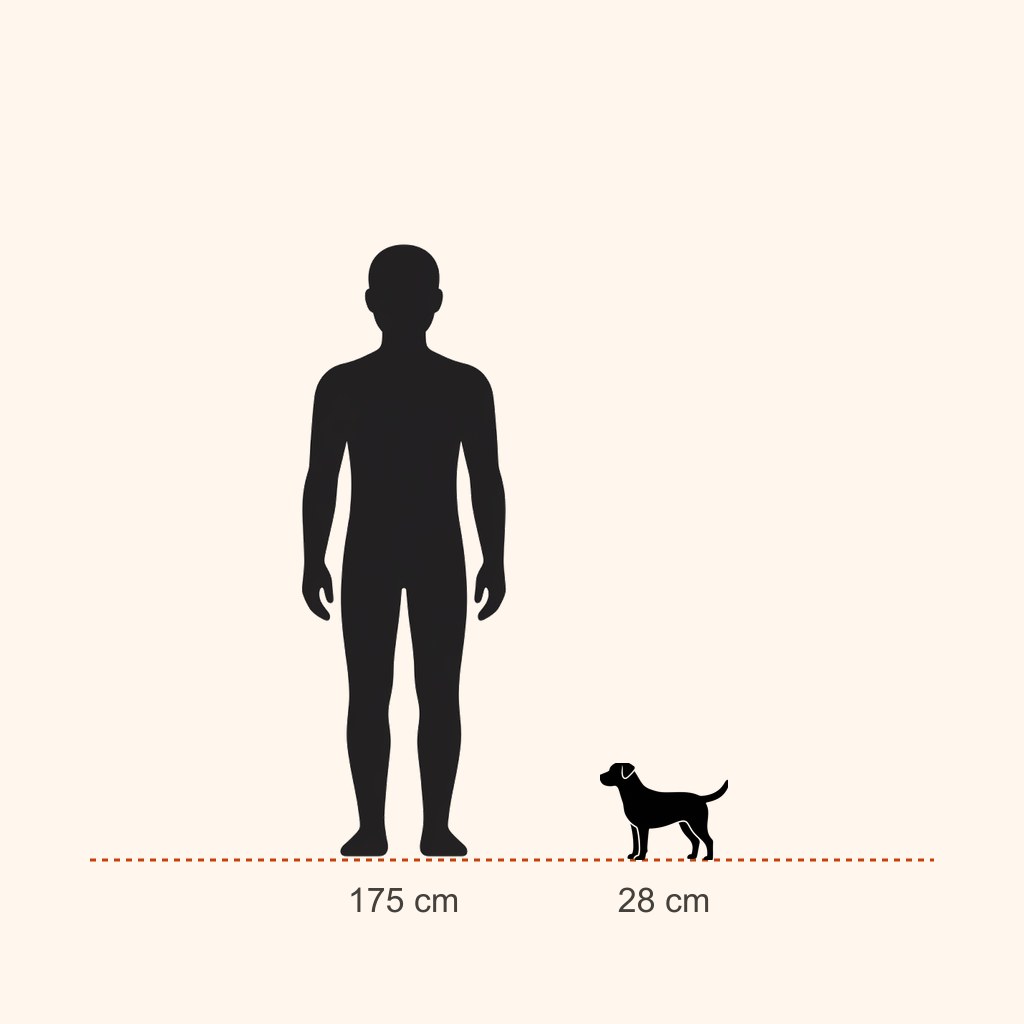
Pembroke Welsh Corgi Owner's Guide
Last updated:
Is a Pembroke Welsh Corgi right for you?
With its short legs, long body, upright ears and smiling face, the Pembroke Welsh Corgi is one of the internet's favourite dogs. But inside that small body lives a true cattle herder: energetic, clever, vocal and determined. Its long back and short legs also put spinal health, and above all weight control, at the centre of owning one.
| Situation | Suitability | Note |
|---|---|---|
| Apartment | Moderate | Size fits; barking and stairs need attention |
| Family with young children | Moderate | Affectionate but may nip at running children's heels |
| First-time dog owner | Good | Eager to learn; needs a firm, consistent owner |
| Alone 8+ hours a day | Poor | Boredom turns into barking |
| Household with fur allergies | Poor | Double coat, heavy year-round shedding |
| Active family that loves walking | Excellent | Sturdy and sporty despite short legs |
| Home with lots of stairs | Poor | Adds strain to the spine and joints |
Before you adopt
If buying from a breeder, ask for the parents' degenerative myelopathy (DM, SOD1 gene) test, hip evaluation, eye exam and von Willebrand disease (inherited bleeding disorder) test. The Corgi Health Association lists these among recommended screenings.
Not every dog testing "at risk" (two copies) for DM develops the disease, but breeding two carriers produces at-risk puppies. Avoid breeders who won't show results openly.
Popularity has fuelled careless breeding. Puppies with exaggerated long bodies, very short legs or excess weight may look "cute" but are at a spinal disadvantage. The Pembroke and Cardigan Welsh Corgi are separate breeds: the Cardigan has a long, bushy tail, while the Pembroke is usually short-tailed.
Temperament
The Corgi is cheerful, smart, affectionate and independent. It isn't needy but likes to be where the family is. It is usually friendly with strangers, sometimes reserved.
The herding instinct is strong. Bred to move cattle by nipping at their heels, it may chase and nip at running children, cats or even the vacuum cleaner; redirect this early.
Its voice is big for its size. It announces the door, the street and anything unusual; bark control is a key part of training.
It is determined and a bit stubborn: quick to learn, but bored by pointless repetition.
Health issues and lifespan
Sources generally give a lifespan of 12-15 years.
- Intervertebral disc disease (IVDD): The long back and short legs put the discs at risk. Signs: hunched back, yelping when touched, avoiding stairs and jumping, wobbly hind legs. Sudden hind-leg weakness or dragging is an emergency; VCA notes that with paralysis, surgery ideally happens within 24 hours. Even mild signs call for strict rest and a vet visit.
- Degenerative myelopathy (DM): A progressive, incurable spinal cord disease, usually starting in middle to older age. Early signs are scuffing hind paws, worn nails, swaying hindquarters and knuckling. It is painless, which helps distinguish it from disc disease, and progresses to hind-leg paralysis over months. Physiotherapy, swimming and ideal weight help preserve quality of life.
- Obesity: The breed's most important manageable risk. Extra weight directly loads the spine and joints and quickly worsens mobility in dogs with DM or IVDD.
- Hip dysplasia: Lameness, difficulty rising, bunny-hopping.
- Von Willebrand disease: Bleeding gums or prolonged bleeding from small wounds. Tell your vet before surgery such as neutering.
- Eye problems: Cataracts and progressive retinal atrophy; cloudy eyes, hesitation in the dark.
Feeding
An adult Corgi (10-14 kg) typically eats roughly 150-220 g of good-quality dry food a day, adjusted to energy content and activity. Corgis adore food and gain weight easily.
- Puppy (2-12 months): Medium-breed puppy food, 3-4 meals; a chubby puppy is not a healthy puppy.
- Adult: Two weighed meals a day. A waist should be visible from above and ribs easy to feel.
- Senior (8+ years): Fewer calories; weigh monthly.
Subtract treats from the daily ration and skip table scraps. In this breed weight control is not optional; it protects the spine.
Grooming and coat
Medium-length, weather-resistant double coat.
- Sheds heavily all year, much more in spring and autumn. Brush several times a week, daily during heavy sheds.
- Do not shave. Air trapped between the undercoat and outer coat insulates against heat and cold, and the outer coat protects the skin from sun and moisture. Shaving disrupts this, exposes the skin and can cause patchy regrowth. Regular undercoat brushing is the way to reduce shedding.
- Bathe every few months and dry thoroughly to the skin.
- Trim nails monthly; long nails change gait and posture.
- Trim the fur under the paws to reduce slipping.
Training and exercise
Daily need: 45-60 minutes of walking and play plus mental work. It has plenty of stamina despite its short legs.
Spine-friendly rules:
- Limit jumping: Use ramps or steps instead of leaping off sofas and beds.
- Reduce stairs: Carry puppies and seniors, supporting both chest and hindquarters.
- Rugs on slippery floors: Sliding on tiles and wood strains the back.
- Harness instead of collar: Spreads pressure in dogs that pull.
- Redirect heel-nipping: Offer a toy instead of a running child and teach "leave it" early.
Avoid high jumps in agility; scent games, rally and reward-based obedience suit it well. In summer the low-slung body is close to hot pavement; walk in cool hours.
History
The Pembroke Welsh Corgi descends from dogs used by farmers in Pembrokeshire, south-west Wales, to drive cattle. Its low height let it nip at heels and duck under kicks.
For a long time it was considered the same breed as the Cardigan Welsh Corgi; the UK Kennel Club officially separated them in 1934. The breed became world-famous through Queen Elizabeth II, who kept Corgis for decades. Today it is both a family dog and an active participant in herding sports.
This guide is for information only and is not a substitute for veterinary advice. Prices are approximate and vary by region and time.
Adoption Prep Checklist
Housing
-
Small-breed dog bed
A comfortable bed supports joint health.
Feeding
-
Small-breed dog food
Food matched to breed size gives the right nutritional balance.
-
Food and water bowl set
Needed for daily feeding and water access.
Grooming
-
De-shedding brush
Regular brushing reduces shedding and matting.
-
Dog nail clippers
Regular nail care matters for healthy walking.
-
Dog shampoo
Use a dog-specific shampoo for skin and coat health.
Walking & Activity
-
Running/exercise dog harness
Needed for safe walks.
-
Interactive dog puzzle toy
Mental and physical stimulation reduces behavior problems.
Frequently Asked Questions
Does the Pembroke Welsh Corgi shed?
It sheds heavily, especially at seasonal changes. Expect near-daily brushing and regular cleaning at home; it is not a good choice for anyone sensitive to pet hair.
Can the Pembroke Welsh Corgi live in an apartment?
Yes. It lives comfortably in an apartment as long as its daily needs are met. What matters is not floor area but consistent exercise and mental stimulation.
Is the Pembroke Welsh Corgi good with children?
Generally yes. It adapts well to families with children. Even so, interactions should be supervised and children taught to respect the animal’s boundaries.
Is the Pembroke Welsh Corgi suitable for first-time dog owners?
Partly. Someone with basic experience will manage well, but it would not be the first choice for a complete beginner.
How much exercise does the Pembroke Welsh Corgi need?
It is high-energy and needs vigorous daily activity. Mental stimulation matters as much as physical exercise; without enough to do, destructive behaviour follows.
Can the Pembroke Welsh Corgi be left alone during the day?
It can be left alone for a few hours. Long, routine absences can bring on boredom-driven behaviour problems; enrichment and a predictable routine reduce that risk.
How long does the Pembroke Welsh Corgi live?
The Pembroke Welsh Corgi lives 12-15 years on average. Diet, regular veterinary check-ups and early screening for hereditary conditions all affect this directly.
Where does the Pembroke Welsh Corgi come from?
The Pembroke Welsh Corgi originates from Wales. The geography a breed was developed in, and the job it was bred for, explain much of its temperament and care needs today.