

Poodle (Miniature)
The image on this page is AI-generated and does not depict a real animal.
- Species
- Dog
- Origin
- Germany/France
- Size
- Small
- Lifespan
- 14-16 years
- Temperament
- Intelligent playful alert trainable
- Description
The miniaturized version of the Standard Poodle; intelligent, energetic and suited to apartment living.
- Physical Traits
Dense, curly, non-shedding coat, solid colors, a small-to-medium elegant body build.
- Care / Environment Info
Suitable for apartment living. Its curly coat barely sheds but requires regular professional clipping. Needs moderate exercise and mental stimulation.
Poodle (Miniature) Owner's Guide
Last updated:
Is a Miniature Poodle right for you?
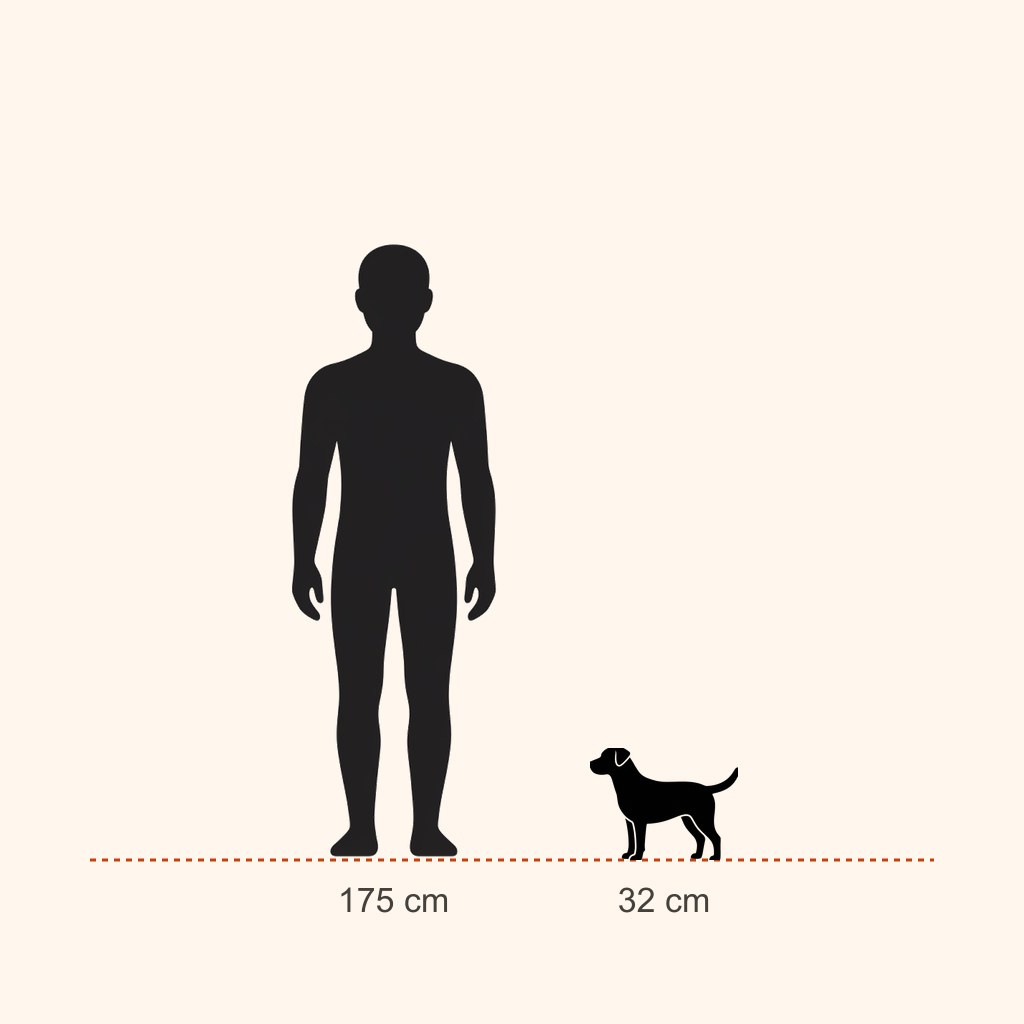
The Miniature Poodle is the middle size between the Toy and the Standard, standing 25-38 cm (10-15 in) at the shoulder and usually weighing 4.5-7 kg (10-15 lb). As part of the same breed, it shares the Standard's intelligence, love of water, and trainability, while adapting to city life more easily than the Standard without being as fragile as the Toy.
| Situation | Suitability | Note |
|---|---|---|
| Apartment | Very good | Its medium size and quiet nature suit city living |
| Family with young children | Good | More robust than the Toy, but rough play should still be avoided |
| First-time dog owner | Good | Easy to train; the challenge is consistent grooming |
| Alone 8+ hours a day | Poor | Attached to people; can develop anxiety and destructive behaviour when bored |
| Household with fur allergies | One of the best options | Sheds almost nothing, though "non-allergenic" is still the wrong word |
| Home without a grooming budget | Poor | Professional clipping every six to eight weeks is essential |
| Active family with time for daily walks/play | Very good | Responds well to mental and physical stimulation, suited to sports like agility |
| Home that skips senior heart screening | Caution | Heart valve disease can appear at this size in older age |
The Miniature Poodle is a balanced choice for families who want the Standard's character in a more compact body and accept the grooming discipline it demands.
Before you adopt
Ask the breeder for hip and patella (kneecap) exams and an eye exam certificate; ask whether Legg-Calvé-Perthes disease has appeared in the line. Addison's disease has been reported across all Poodle sizes; do not hesitate to ask the breeder about it.
The Miniature Poodle is also a size commonly found in rescues and shelters; adopting an adult lets you see its temperament and coat care needs up front. "Doodle" crosses (Cockapoo, Goldendoodle, and similar) are not Miniature Poodles; their shedding traits and health screening are unpredictable, so do not confuse them with the purebred.
Temperament
The Miniature Poodle is intelligent, playful, and eager to learn; it excels at obedience and agility sports. It is attached to its family, wary of strangers but rarely aggressive.
When bored it can develop destructive behaviour; rummaging through doors or chewing objects to "entertain itself" signals a lack of mental work rather than a training problem. It is as sensitive to harsh voices and punishment as the Standard; reward-based training is the only correct approach.
It generally gets on well with other dogs and cats; early socialisation reinforces this. Its relationship with water is genetic; many Miniature Poodles love swimming and water play, which offers a safe form of exercise in hot weather.
Health issues and lifespan
Sources give a wide lifespan range of 10 to 18 years.
- Patellar luxation: Common in small-to-medium breeds. An occasional skip or hop on one hind leg is the sign; advanced cases need surgery.
- Legg-Calvé-Perthes disease: Deterioration of the femoral head; appears at a young age (4 months to 1 year) with lameness, and usually requires surgery.
- Mitral valve disease: Heart valve insufficiency seen in dogs over 8 years old; coughing and reduced exercise tolerance are signs, caught early with regular vet checks.
- Addison's disease (hypoadrenocorticism): Reported more often in Poodles than in other breeds. Signs are vague: lethargy, vomiting, loss of appetite, collapse under stress.
- Dyschondroplasia (cartilage/bone growth disorder): A hereditary skeletal issue reported in this breed.
- Hypothyroidism: Weight gain, lethargy, hair loss.
- Progressive retinal atrophy and cataracts: Eye diseases leading to vision loss; a DNA test and regular eye exams are recommended.
- Ear infections: Common because of the drop, hairy ear structure; regular checks and hair removal from the canal are needed.
An annual check-up, especially past age 7, should include listening to the heart and bloodwork; most issues in this breed are manageable when caught early.
Feeding
An adult Miniature Poodle (4.5-7 kg / 10-15 lb) should be fed according to the weight-based amount on the food packaging.
- Puppy (2-12 months): Small-to-medium breed puppy food, three meals a day.
- Adult: 22-26% protein; omega-3 content directly affects coat quality.
- Senior (7+ years): Calories reduced; if heart health is a concern, sodium content can be adjusted on veterinary advice.
In small-to-medium dogs, excess weight lands directly on the joints, especially the knees; do not pad out daily calories with treats. Splitting food into two meals with a short calm period afterward is a simple habit that reduces digestive upset risk at this size too.
Grooming and coat
The coat is the same as the other sizes: it stays where it sheds and needs disciplined upkeep.
- Brush daily or every other day; skipping leads to matting quickly.
- Professional clipping every six to eight weeks.
- Check the ears weekly; removing hair from the canal reduces infections.
- Tear staining under the eyes is common; daily wiping reduces it.
- Bathe every three to four weeks, then dry thoroughly.
- Nails every three to four weeks, teeth several times a week.
Training and exercise
Daily requirement: 45-60 minutes. Adding an activity such as fetch or agility on top of walks increases mental satisfaction.
- Mental work. Scent games, food puzzles, trick training; the most effective way to prevent boredom in this breed.
- Socialisation (8-16 weeks).
- Tolerating grooming. Brushing, the dryer, and nail trims should be introduced with rewards in puppyhood.
- Basic obedience and recall.
- Advanced work. Agility and obedience sport; the Miniature is considered a successful size in these sports and its build can even be an advantage over the Standard on some courses.
A Miniature Poodle whose exercise needs go unmet can develop excessive barking, furniture chewing, and attention-seeking destructive behaviour; this is usually a satiation problem, not a training one.
History
The Miniature Poodle was developed in 18th- and 19th-century France by miniaturising the Standard Poodle to meet demand for a companion dog. While retaining the Standard's sporting origin, its size turned it into a companion that could travel and live comfortably indoors. Today all three sizes are considered a single breed under the FCI standard.
This guide is for information only and is not a substitute for veterinary advice. Prices are approximate and vary by region and time.
Adoption Prep Checklist
Housing
-
Small-breed dog bed
A comfortable bed supports joint health.
Feeding
-
Small-breed dog food
Food matched to breed size gives the right nutritional balance.
-
Food and water bowl set
Needed for daily feeding and water access.
Grooming
-
Short-hair dog brush
Regular brushing reduces shedding and matting.
-
Dog nail clippers
Regular nail care matters for healthy walking.
-
Dog shampoo
Use a dog-specific shampoo for skin and coat health.
Walking & Activity
-
Dog leash and collar set
Needed for safe walks.
-
Plush dog toy
Mental and physical stimulation reduces behavior problems.
Training
-
Training treats / beginner training guide
Basic obedience training is recommended for first-time dog owners.
Frequently Asked Questions
Does the Poodle (Miniature) shed?
Shedding is low. Brushing once a week is usually enough, with a mild increase during seasonal changes.
Can the Poodle (Miniature) live in an apartment?
Yes. It lives comfortably in an apartment as long as its daily needs are met. What matters is not floor area but consistent exercise and mental stimulation.
Is the Poodle (Miniature) good with children?
Generally yes. It adapts well to families with children. Even so, interactions should be supervised and children taught to respect the animal’s boundaries.
Is the Poodle (Miniature) suitable for first-time dog owners?
Yes. Its care and training are relatively forgiving, which makes it a sound choice for first-time owners.
How much exercise does the Poodle (Miniature) need?
It needs a moderate amount of exercise. Daily activity plus some play time makes for a balanced routine.
Can the Poodle (Miniature) be left alone during the day?
It can be left alone for a few hours. Long, routine absences can bring on boredom-driven behaviour problems; enrichment and a predictable routine reduce that risk.
How long does the Poodle (Miniature) live?
The Poodle (Miniature) lives 14-16 years on average. Diet, regular veterinary check-ups and early screening for hereditary conditions all affect this directly.
Where does the Poodle (Miniature) come from?
The Poodle (Miniature) originates from Germany/France. The geography a breed was developed in, and the job it was bred for, explain much of its temperament and care needs today.