

Poodle (Toy)
The image on this page is AI-generated and does not depict a real animal.
- Species
- Dog
- Origin
- Germany/France
- Size
- Very Small
- Lifespan
- 14-16 years
- Temperament
- Intelligent lively loyal trainable
- Description
The smallest member of the Poodle family; an intelligent breed loved as a lap dog.
- Physical Traits
Dense, curly, non-shedding coat, solid colors, a very small delicate body build.
- Care / Environment Info
Very suitable for apartment living. Its curly coat barely sheds but requires regular professional clipping. Low-to-moderate exercise is enough.
Poodle (Toy) Owner's Guide
Last updated:
Is a Toy Poodle right for you?
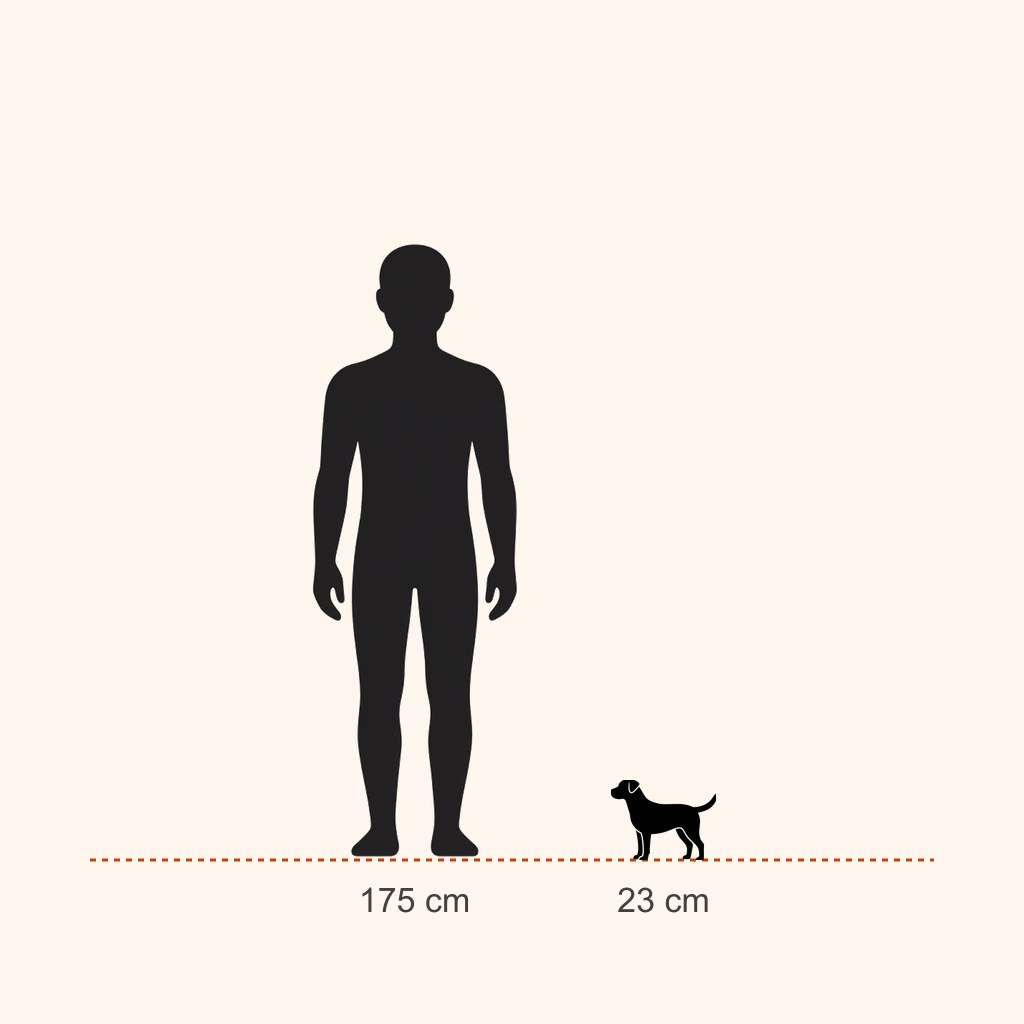
The Toy Poodle is the same breed as the Standard and Miniature; the only official difference is size. It stands no more than 25 cm (10 in) at the shoulder and usually weighs 1.8-3 kg (4-6 lb). It carries the same intelligence and the same water-retriever ancestry, but in a much smaller and more fragile body. The most important thing to know before choosing this size: a small body does not mean less care, it means different and in some ways more careful care.
| Situation | Suitability | Note |
|---|---|---|
| Apartment | Excellent | Small size and adaptability suit city life very well |
| Family with young children | Caution | Being dropped or handled roughly can seriously injure its small frame |
| First-time dog owner | Good | Easy to train; the real challenge is grooming and feeding discipline |
| Alone 8+ hours a day | Poor | Strongly attached to people; can develop anxiety when left alone |
| Household with fur allergies | One of the best options | Sheds almost nothing, though "non-allergenic" is still the wrong word |
| Home without a grooming budget | Poor | Professional clipping every six to eight weeks is essential |
| Home with stairs or tall furniture | Caution | Small bone structure raises the risk of fractures and dislocations from falls |
| Home that cannot manage frequent puppy meals | Not suitable | Hypoglycemia is a real, potentially fatal risk in Toy puppies |
The Toy Poodle suits families who want intelligence and elegance in a small companion, and who accept the trade-off: careful physical handling and disciplined grooming.
Before you adopt
Ask the breeder for a patella (kneecap) exam, an eye exam, and whether Legg-Calvé-Perthes disease has appeared in the line. Avoid puppies marketed as "teacup" or "micro", bred even smaller than the standard; this extreme miniaturisation raises the risk of hypoglycemia and skeletal problems further.
The Toy Poodle's popularity also brings unregulated breeding with no health screening; do not decide without seeing the puppy and meeting the mother. Toy Poodles and their mixes are also common in breed rescues and shelters.
Temperament
The Toy Poodle carries the full intelligence of the Poodle breed and learns commands quickly. Because of its small size, the risk of "small dog syndrome" is more pronounced: without early, consistent training it can develop excessive barking and an inflated sense of its own size.
It bonds deeply with its family and is wary of strangers. It is sensitive to harsh voices and rough handling; in households with children, teaching gentle handling matters as much as training the dog. It generally gets on well with other dogs, though play with much larger dogs should be supervised.
It uses its voice readily; barking at a doorbell or a stranger's footsteps is more pronounced than in the Standard size. Working on a "quiet" cue early makes apartment life easier for both the dog and the neighbours.
Health issues and lifespan
Sources give a wide lifespan range of 10 to 18 years; well-cared-for individuals can reach the upper end.
- Hypoglycemia (in puppies): A risk from birth to around 4 months. Signs include weakness, wobbliness, trembling, head tremors, and confusion. Treat a suspected sugar crash as an emergency; rubbing honey or glucose gel on the gums can help on the way to the vet.
- Legg-Calvé-Perthes disease: The femoral head deteriorates from poor blood supply; occurs between 4 months and 1 year, more often in males. Lameness worsens progressively; surgery to remove the femoral head is often needed.
- Patellar luxation: Common in small breeds. The kneecap slips out of place when the knee bends; an intermittent skip or hop on one hind leg is typical. Mild cases are monitored, advanced ones need surgery.
- Tracheal collapse: A dry, honking cough that worsens with excitement, heat, or excess weight. A harness instead of a collar reduces the risk.
- Von Willebrand's disease: An inherited blood clotting disorder; screening before surgery is recommended.
- Ear infections: The drop, hairy ear canal traps moisture; regular cleaning and hair removal are needed.
- Progressive retinal atrophy (PRA): Night vision fails first and can progress further; a DNA test exists.
Feeding
A Toy Poodle's daily food need is small for its size; use the weight-based amount on the packaging rather than guessing by eye.
- Puppy (birth to 4-6 months): Three to four small meals a day, on a consistent schedule. Skipping meals carries a hypoglycemia risk.
- Adult: Small kibble, high quality; 22-26% protein is appropriate.
- Senior (8+ years): Calories reduced; joint support can help.
Because of its small size, excess calories turn into weight gain quickly; table scraps and treats should stay a small fraction of daily calories. Small breeds also develop tartar and tooth loss faster; brushing several times a week and regular dental checks should not be skipped.
Grooming and coat
The coat is the same as the Standard Poodle's: it stays where it sheds rather than falling to the floor.
- Brush daily or every other day; skipping leads to matting quickly.
- Professional clipping every six to eight weeks.
- Check and clean the ears weekly; removing hair from the canal reduces infections.
- Tear staining under the eyes is common; daily wiping helps.
- Bathe every three to four weeks, then dry thoroughly.
- Nails every three to four weeks; in small breeds, overgrown nails affect gait sooner.
Training and exercise
Daily requirement: 30-45 minutes. It does not need the physical exercise volume of the larger sizes, but mental stimulation matters just as much.
- Socialisation (8-16 weeks). Neglecting this in small breeds tends to become lasting timidity or defensive barking.
- Managing jumping off furniture. Limiting jumps from sofas and beds early protects developing knees and hips.
- Getting used to gentle handling. Being picked up, groomed, and having nails trimmed should be introduced with rewards.
- Mental work. Scent games, food puzzles, trick training; prevents boredom.
- Basic obedience and recall, using reward-based methods.
This size is just as sensitive to harsh voices and punishment as the Standard; lost trust can be lasting.
History
The Toy Poodle emerged in 18th- and 19th-century France, developed through careful selection from the Standard Poodle to meet demand for a companion dog. Its purpose was no longer waterfowl retrieving but lap and parlour companionship. Today all three sizes are considered a single breed under the FCI standard; the Toy is the smallest and the one best suited to city living.
This guide is for information only and is not a substitute for veterinary advice. Prices are approximate and vary by region and time.
Adoption Prep Checklist
Housing
-
Small-breed dog bed
A comfortable bed supports joint health.
Feeding
-
Small-breed dog food
Food matched to breed size gives the right nutritional balance.
-
Food and water bowl set
Needed for daily feeding and water access.
Grooming
-
Short-hair dog brush
Regular brushing reduces shedding and matting.
-
Dog nail clippers
Regular nail care matters for healthy walking.
-
Dog shampoo
Use a dog-specific shampoo for skin and coat health.
Walking & Activity
-
Dog leash and collar set
Needed for safe walks.
-
Plush dog toy
Mental and physical stimulation reduces behavior problems.
Training
-
Training treats / beginner training guide
Basic obedience training is recommended for first-time dog owners.
Frequently Asked Questions
Does the Poodle (Toy) shed?
Shedding is low. Brushing once a week is usually enough, with a mild increase during seasonal changes.
Can the Poodle (Toy) live in an apartment?
Yes. It lives comfortably in an apartment as long as its daily needs are met. What matters is not floor area but consistent exercise and mental stimulation.
Is the Poodle (Toy) good with children?
Caution is warranted. With proper socialisation and adult supervision it can live with children, but it is not a first choice for homes with young children.
Is the Poodle (Toy) suitable for first-time dog owners?
Yes. Its care and training are relatively forgiving, which makes it a sound choice for first-time owners.
How much exercise does the Poodle (Toy) need?
Its energy level is low. Short, regular activity is enough; strenuous exercise is not required.
Can the Poodle (Toy) be left alone during the day?
It can be left alone for a few hours. Long, routine absences can bring on boredom-driven behaviour problems; enrichment and a predictable routine reduce that risk.
How long does the Poodle (Toy) live?
The Poodle (Toy) lives 14-16 years on average. Diet, regular veterinary check-ups and early screening for hereditary conditions all affect this directly.
Where does the Poodle (Toy) come from?
The Poodle (Toy) originates from Germany/France. The geography a breed was developed in, and the job it was bred for, explain much of its temperament and care needs today.