

Schipperke
The image on this page is AI-generated and does not depict a real animal.
- Species
- Dog
- Origin
- Belgium
- Size
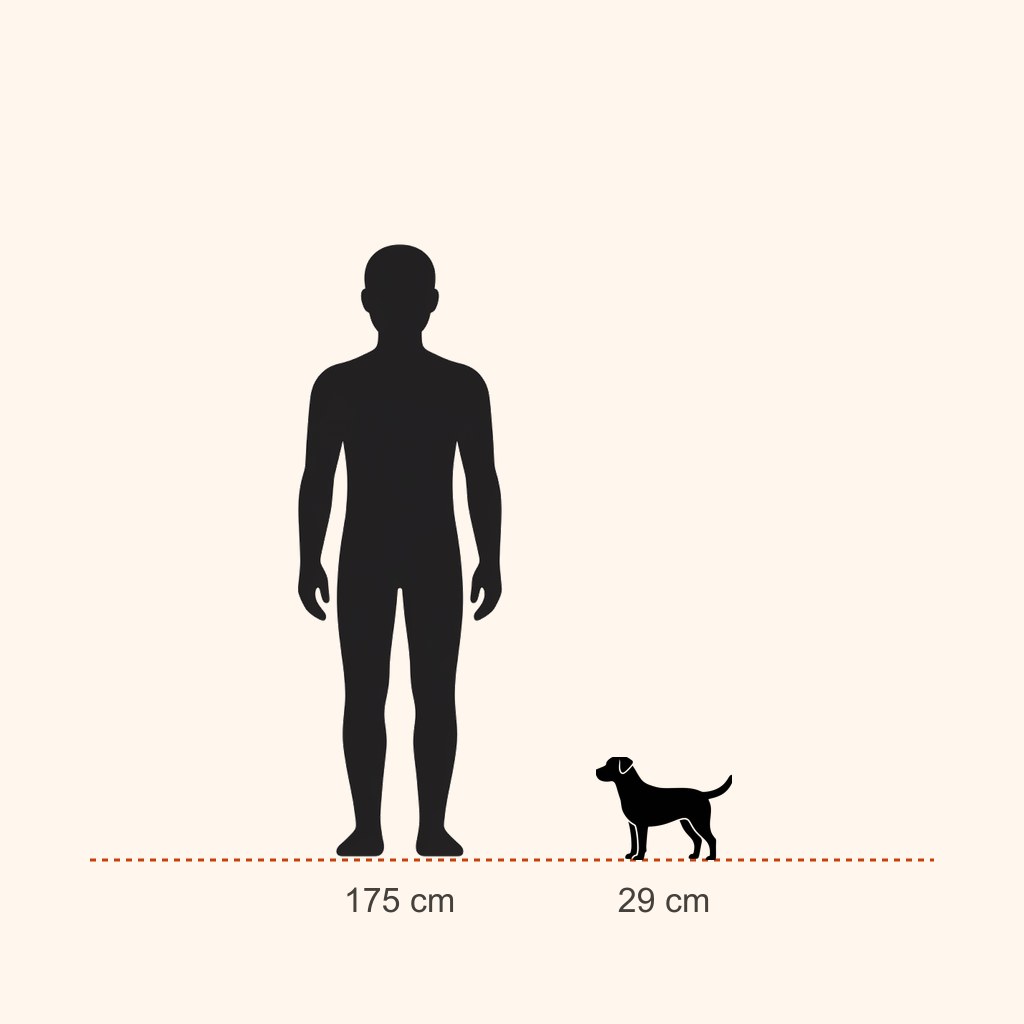
- Small
- Lifespan
- 15-17 years
- Temperament
- Curious alert independent
- Description
Originally a ratter on canal boats, a curious small Belgian breed.
- Physical Traits
Thick fluffy black coat, a fox-like face, a compact body.
- Care / Environment Info
Suitable for apartment living. Its thick coat sheds heavily on a seasonal basis. Moderate-to-high exercise needs.
Adoption Prep Checklist
Housing
-
Small-breed dog bed
A comfortable bed supports joint health.
Feeding
-
Small-breed dog food
Food matched to breed size gives the right nutritional balance.
-
Food and water bowl set
Needed for daily feeding and water access.
Grooming
-
De-shedding brush
Regular brushing reduces shedding and matting.
-
Dog nail clippers
Regular nail care matters for healthy walking.
-
Dog shampoo
Use a dog-specific shampoo for skin and coat health.
Walking & Activity
-
Running/exercise dog harness
Needed for safe walks.
-
Interactive dog puzzle toy
Mental and physical stimulation reduces behavior problems.
Training
-
Training treats / beginner training guide
Basic obedience training is recommended for first-time dog owners.
Frequently Asked Questions
Does the Schipperke shed?
It sheds heavily, especially at seasonal changes. Expect near-daily brushing and regular cleaning at home; it is not a good choice for anyone sensitive to pet hair.
Can the Schipperke live in an apartment?
Yes. It lives comfortably in an apartment as long as its daily needs are met. What matters is not floor area but consistent exercise and mental stimulation.
Is the Schipperke good with children?
Generally yes. It adapts well to families with children. Even so, interactions should be supervised and children taught to respect the animal’s boundaries.
Is the Schipperke suitable for first-time dog owners?
Yes. Its care and training are relatively forgiving, which makes it a sound choice for first-time owners.
How much exercise does the Schipperke need?
It is high-energy and needs vigorous daily activity. Mental stimulation matters as much as physical exercise; without enough to do, destructive behaviour follows.
Can the Schipperke be left alone during the day?
It can be left alone for a few hours. Long, routine absences can bring on boredom-driven behaviour problems; enrichment and a predictable routine reduce that risk.
How long does the Schipperke live?
The Schipperke lives 15-17 years on average. Diet, regular veterinary check-ups and early screening for hereditary conditions all affect this directly.
Where does the Schipperke come from?
The Schipperke originates from Belgium. The geography a breed was developed in, and the job it was bred for, explain much of its temperament and care needs today.