

Weimaraner
The image on this page is AI-generated and does not depict a real animal.
- Species
- Dog
- Origin
- Germany
- Size
- Large
- Lifespan
- 12-14 years
- Temperament
- Intelligent brave loyal energetic
- Description
Known for its silver-grey coat, an athletic and energetic hunting dog.
- Physical Traits
Short smooth silver-grey coat, amber or blue-grey eyes, a long-legged muscular body.
- Care / Environment Info
A house with a garden is preferred. Its short coat sheds little, easy to maintain. Very high exercise needs. Very devoted to people, may develop separation anxiety if left alone for long periods.
Weimaraner Owner's Guide
Last updated:
Is a Weimaraner right for you?
The Weimaraner, the "grey ghost" with its silver-grey coat and amber eyes, is a versatile German gundog. In photos it looks calm and noble; in reality it needs two hours of exercise a day, lives glued to its owner and copes very badly with being left alone. One of the most common reasons Weimaraners end up in shelters and breed rescues is the destructive behaviour that appears when they are left on their own.
| Situation | Suitability | Note |
|---|---|---|
| Apartment | Poor | A 25-40 kg, very energetic gundog |
| Alone 8+ hours a day | Unsuitable | Prone to separation anxiety; barking, chewing, scratching at doors |
| Family that runs, hikes or hunts | Excellent | Where the breed truly belongs |
| Family with young children | Moderate | VCA says it is gentle with children but may be too boisterous for small ones |
| First-time dog owner | Poor | PDSA recommends experienced owners; strong-willed and can be highly strung |
| Home with cats, rabbits or birds | Poor | Strong prey drive; VCA notes it can be aggressive towards unfamiliar animals |
| Household with fur allergies | Moderate | Short coat, average shedding |
In short: unless you are an active household where someone is usually home and there is time for long daily exercise, this breed is not for you.
Before you adopt
Be honest about time alone. A Weimaraner is the wrong choice for a household where everyone works full-time and the dog would be alone all day. If you cannot arrange a dog sitter, daycare or home working, consider another breed.
Be prepared for bloat. In the Weimaraner Club of America's 2012 health survey, about 6% of respondents reported that their dog had been diagnosed with bloat. Find your nearest 24-hour emergency clinic before the dog comes home.
Ask the breeder about: hip evaluation and eye examination of the parents, and any family history of bloat or hypertrophic osteodystrophy (HOD). Club materials cite evidence that dogs with a first-degree relative that bloated are at higher risk.
Rescue dogs: For adult Weimaraners surrendered because of separation anxiety, plan a slow, patient settling-in period and, if needed, help from a behaviour professional.
Legal status: The breed is not typically on restricted-breed lists; in Turkey, for example, it is not on the dangerous-breed list under Law No. 5199.
Temperament
The Weimaraner is intelligent, loyal and very people-oriented. VCA describes it as an energetic, protective family member: calm and alert at home with enough exercise, overactive and destructive without it.
Separation anxiety is the breed's most prominent behaviour problem. PDSA notes that these dogs bond intensely with their families and should not be left alone for long periods, or they may develop behaviours such as excessive barking and chewing. Signs include trembling and panting as you leave, damage around doors and windows, hours of howling or barking, house-soiling, and following you from room to room.
It can be moderately reserved with strangers and makes a good watchdog. It may have problems with other dogs, especially of the same sex, and may see cats and small animals as prey.
It is stubborn and clever and constantly tests limits. PDSA describes it as potentially highly strung, so early, clear rules are essential.
Health issues and lifespan
PDSA gives a lifespan of over 10 years; a UK study published in 2024 found a median of about 12.8 years.
- Gastric dilatation-volvulus (bloat): The breed's most serious emergency. Trying but failing to vomit, restlessness, inability to settle, drooling and a swelling belly. Minutes matter; do not wait until morning, go to an emergency vet immediately. According to club materials, stress and anxiety are among the known risk factors, so managing separation anxiety is also a health issue. Discuss preventive gastropexy (tacking the stomach to the abdominal wall), for example during neutering, with your vet.
- Hypertrophic osteodystrophy (HOD): An autoinflammatory bone disease of fast-growing puppies aged 2-8 months. High fever, loss of appetite, swollen and painful legs, reluctance to walk. The club notes that whole litters are sometimes affected. Early treatment is critical; see a vet the same day.
- Hip dysplasia: Limping, difficulty rising. Parent evaluation and weight control in puppies.
- Distichiasis: Eyelashes growing towards the eye; watering, squinting, redness. Needs an eye examination.
- Immune-mediated diseases: Ranked high in the club's survey. For unexplained fever, lameness or lethargy, remind your vet of the breed.
- Cancers: PDSA reports a predisposition to certain cancers. Have new or growing lumps checked.
Feeding
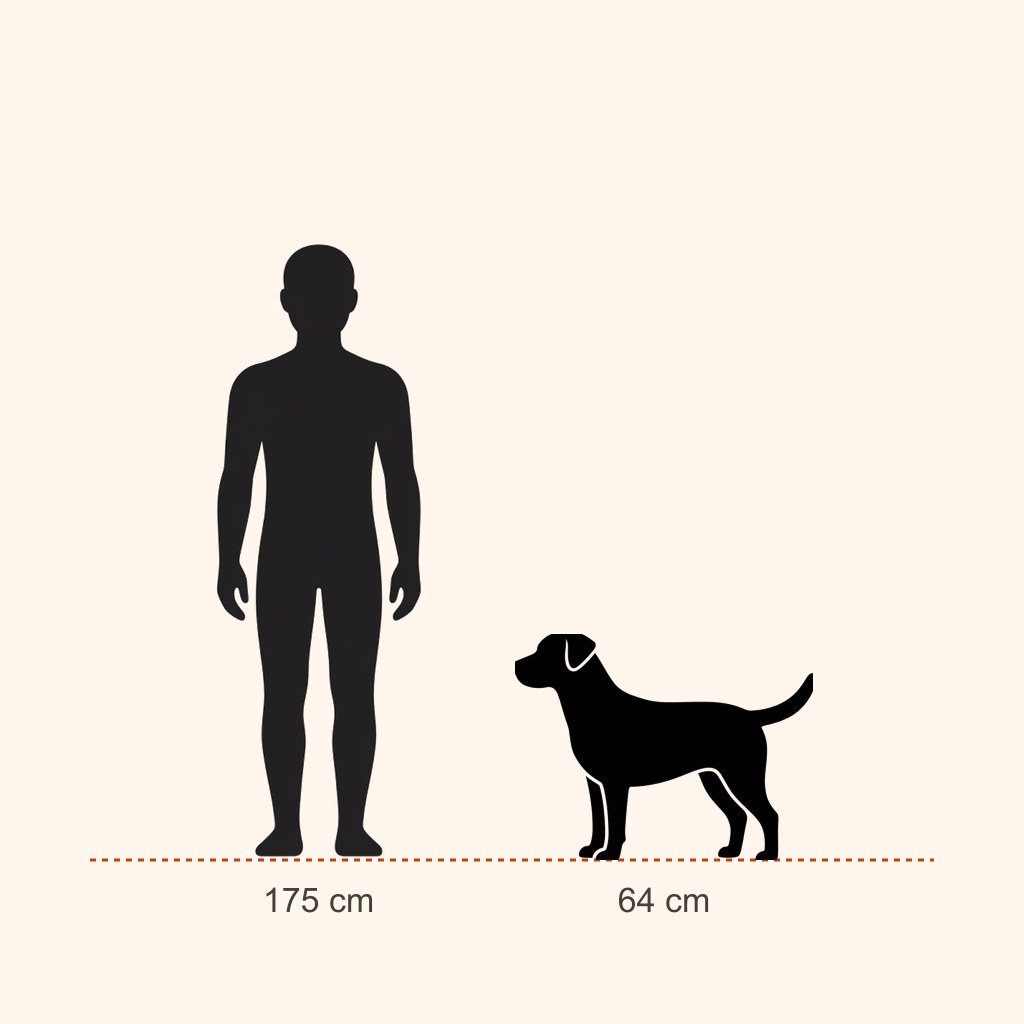
An adult Weimaraner (females 25-35 kg, males 30-40 kg) eats roughly 300-450 g of quality dry food a day depending on activity. VCA notes that the breed tends to keep a good weight; active dogs may need more.
- Puppy (2-12 months): Large-breed puppy food, three meals a day. Avoid rapid growth and added calcium.
- Adult: 24-28% protein, energy matched to activity.
- Senior (8+ years): Reduce calories, preserve muscle.
Bloat rules: At least two meals a day, never one large meal. Use a slow-feeder bowl for fast eaters. No running or play for at least an hour before and after meals. Keep mealtimes calm; do not feed in a stressful setting.
Grooming and coat
A short, dense, smooth silver-grey coat. A long-haired variety also exists.
- A rubber brush or hound glove once a week.
- Bathe as needed; the coat does not tend to hold odour.
- Check ears weekly; drop ears trap moisture.
- Nails every two to four weeks; they grow fast, and if you hear them clicking on the floor they are too long.
- Brush teeth several times a week.
- The thin coat gives little protection from cold; do not leave it outdoors for long on cold winter days. It is not suited to kennel or garden living and should live indoors.
- Avoid walks in the hottest hours of summer; despite the short coat it overheats quickly during hard exercise.
Training and exercise
PDSA recommends at least two hours of exercise a day, including long walks and off-lead running in a secure area. Swimming, running, tracking and retrieving games are ideal.
Priorities:
- Training for time alone (from day one). Start with absences of a few minutes and extend them slowly. Keep departures and returns low-key. Before longer absences make sure the dog is physically and mentally tired, and leave a chew or food puzzle. If anxiety signs escalate, seek help from a vet or behaviour professional early; punishment makes it worse.
- Socialisation (8-16 weeks). Other dogs, people, sounds; especially important to prevent reactivity towards other dogs.
- Recall. Difficult because of prey drive; work on a long line.
- Rewarding calm. Teach it to lie down and rest indoors, or you will have a permanently wound-up dog.
- Lead manners. A strong dog; solve pulling early.
Avoid long runs and repeated jumping on hard ground during puppyhood.
History
The Weimaraner developed in what is now Thuringia in Germany, around Weimar. Similar silver-grey dogs appear in 17th- and 18th-century paintings. It is often said that the breed was kept at the court of Karl August, Grand Duke of Saxe-Weimar-Eisenach, in the early 19th century, but this is not firmly documented.
Originally used on large game, the breed became a versatile gundog that tracks, points, flushes and retrieves. It was officially recognised in 1891, came close to disappearing during the First World War and was rebuilt from the surviving dogs.
In Germany the breed club long preferred to place its dogs only with hunters and did not consider the Weimaraner suitable as a pure companion. After it reached America in the mid-20th century it became a popular family dog. Much of the separation anxiety and energy trouble owners face today stems from unmet needs for work and human company in this working breed.
This guide is for information only and is not a substitute for veterinary advice. Prices are approximate and vary by region and time.
Sources
Adoption Prep Checklist
Housing
-
Large-breed dog bed
A comfortable bed supports joint health.
Feeding
-
Large-breed dog food
Food matched to breed size gives the right nutritional balance.
-
Food and water bowl set
Needed for daily feeding and water access.
Grooming
-
Short-hair dog brush
Regular brushing reduces shedding and matting.
-
Dog nail clippers
Regular nail care matters for healthy walking.
-
Dog shampoo
Use a dog-specific shampoo for skin and coat health.
Walking & Activity
-
Running/exercise dog harness
Needed for safe walks.
-
Interactive dog puzzle toy
Mental and physical stimulation reduces behavior problems.
Frequently Asked Questions
Does the Weimaraner shed?
Shedding is low. Brushing once a week is usually enough, with a mild increase during seasonal changes.
Can the Weimaraner live in an apartment?
Possible but not ideal. A house with outdoor space is preferable; in an apartment you will need to increase daily exercise substantially.
Is the Weimaraner good with children?
Generally yes. It adapts well to families with children. Even so, interactions should be supervised and children taught to respect the animal’s boundaries.
Is the Weimaraner suitable for first-time dog owners?
No — it suits experienced owners. Its character, energy or care requirements would be demanding for a first-time owner.
How much exercise does the Weimaraner need?
It is high-energy and needs vigorous daily activity. Mental stimulation matters as much as physical exercise; without enough to do, destructive behaviour follows.
Can the Weimaraner be left alone during the day?
It is not suited to long periods alone. It is prone to separation anxiety; a household where someone is usually home, or where a companion animal is present, fits it much better.
How long does the Weimaraner live?
The Weimaraner lives 12-14 years on average. Diet, regular veterinary check-ups and early screening for hereditary conditions all affect this directly.
Where does the Weimaraner come from?
The Weimaraner originates from Germany. The geography a breed was developed in, and the job it was bred for, explain much of its temperament and care needs today.