

Oriental
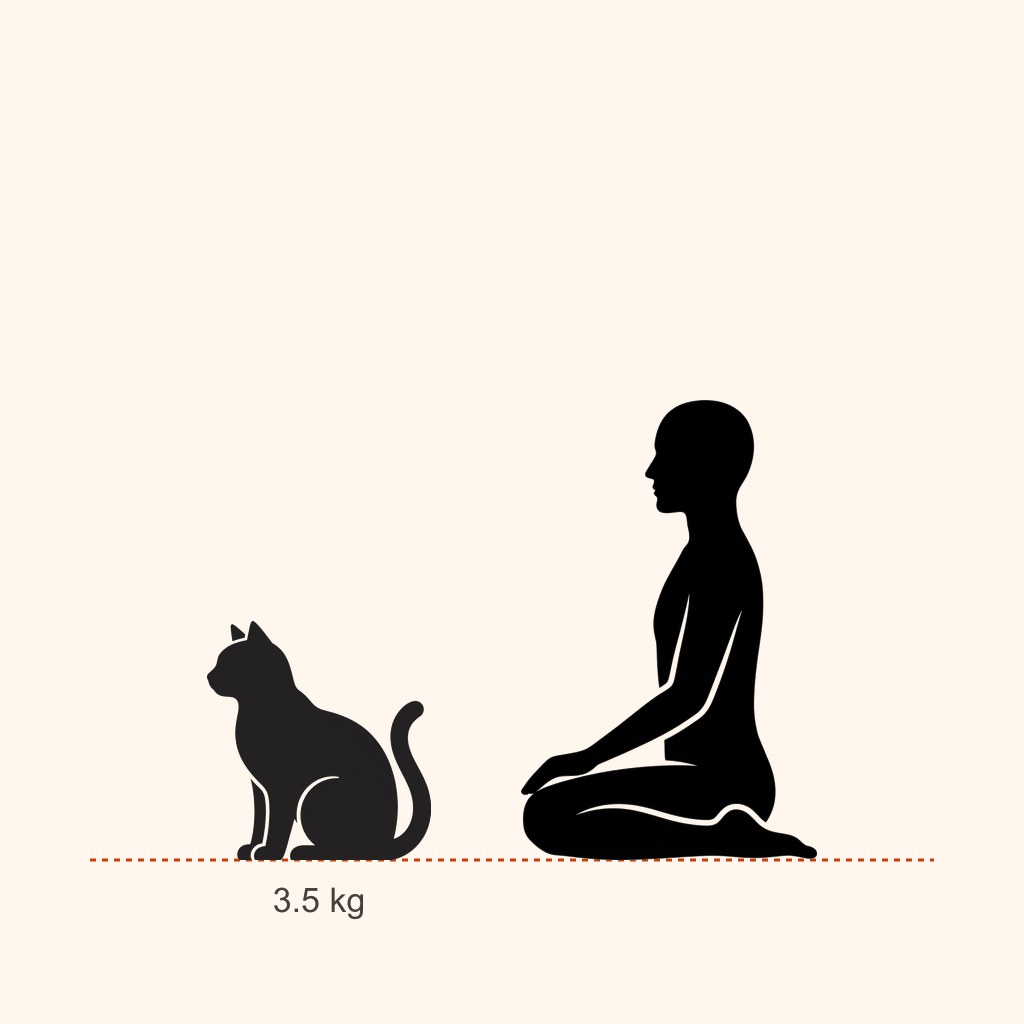
The image on this page is AI-generated and does not depict a real animal.
- Species
- Cat
- Origin
- United States
- Size
- Small
- Lifespan
- 12 - 14 years
- Temperament
- Energetic Affectionate Intelligent Social Playful Curious
- Description
Shows deep devotion to its person, passionate and craves attention.
- Physical Traits
Short or long coat, a very slender elegant body, large ears, a wedge-shaped head; a very wide range of colors and patterns.
- Care / Environment Info
Lives indoors. Sheds moderately. Very easy to care for, infrequent brushing needed. Very high energy, needs plenty of play and stimulation. Very talkative and can meow loudly. Its allergy-triggering potential is considered somewhat lower than other breeds (not fully hypoallergenic). Some breed-specific health monitoring is recommended.
Oriental Owner's Guide
Last updated:
Is an Oriental right for you?
The Oriental carries the body and personality of the Siamese, but comes in a far wider range of colours and patterns. Its long, slender body, wedge-shaped head, and very large ears make it instantly recognisable. There are two varieties: the Oriental Shorthair and the semi-longhaired Oriental Longhair. It may look elegant, but life with one is not quiet: this cat talks, follows you around, and asks for attention.
| Situation | Suitability | Note |
|---|---|---|
| Apartment | Very good | Happy indoors if it has climbing space and play |
| Family with young children | Good | Playful and social; gets on well with respectful children |
| First-time cat owner | Fair | Easy to groom, but its need for attention and its voice can surprise new owners |
| Alone 8+ hours a day | Poor | Strongly attached to people; gets bored and destructive when alone |
| Owner wanting a quiet home | Poor | A loud, insistent voice is one of the breed's defining traits |
| Household with cat allergies | Poor | Sheds little, but the allergen is in skin and saliva, not hair |
| Cold home | Fair | A thin coat; it seeks out warm spots |
The key question with this breed is simple: can you actually spend time with your cat during the day? The Oriental is not a cat that entertains itself. If the house is empty for long hours, a second cat or a more independent breed is the better choice.
Before you adopt
Ask the breeder for the parents' progressive retinal atrophy (PRA) DNA test results; a test exists for Siamese-derived breeds. There is no reliable genetic test for amyloidosis, so ask about the line's history, including whether relatives have had liver or kidney problems.
Because the Oriental belongs to the Siamese family, it turns up in breed rescues alongside Siamese and Siamese crosses. Adopting an adult lets you see its voice and attention needs before you commit.
Temperament
The Oriental is intelligent, curious, and highly social. It follows its owner from room to room, wants to see what is happening in the kitchen, and sits on the keyboard. Sources describe it as a shadow-like companion.
Its voice is as strong as a Siamese's and it uses it often. It will tell you clearly that it is hungry, bored, or unhappy about a closed door. Some owners compare the sound more to a goose honk than a meow.
Energy levels are high and it keeps playing well into old age. It can learn to fetch, perform simple tricks, and solve puzzle toys. Without enough stimulation it creates its own entertainment: climbing curtains and knocking things off shelves.
It usually gets on well with other cats, especially active ones, and can live with cat-friendly dogs.
Health issues and lifespan
Sources generally give a lifespan of 12-15 years, and well-cared-for cats are reported to live beyond 15. Most breed-specific risks come from its Siamese ancestry.
- Amyloidosis: Abnormal proteins (amyloid) build up in organs, particularly the liver. A hereditary predisposition is suspected in Siamese-related breeds. Signs usually appear between 1 and 7 years: lethargy, poor appetite, vomiting, weight loss, a swollen belly, increased thirst. Sudden weakness with pale gums can indicate liver bleeding; see a vet the same day.
- Progressive retinal atrophy (PRA): Gradual degeneration of the retina leading to vision loss. Early signs are hesitancy in dim light, bumping into things, and dilated pupils. There is no cure, but cats adapt well if the home layout stays the same. DNA testing lets breeders remove carriers from breeding.
- Pica (chewing non-food items): Common in Asian breeds. Swallowing wool, plastic, cables, or string can cause intestinal blockage. Vomiting, inability to pass stool, and abdominal pain are an emergency.
- Dental health: Breeds with long, narrow jaws need close monitoring for tartar and gum disease. Bad breath, chewing on one side, or drooling warrant a check-up.
- Hidden weight loss: The Oriental is naturally slim, so weight loss from amyloidosis or other illness can be noticed late. Weighing your cat monthly at home is the easiest way to catch changes early.
Have an annual check-up, with blood tests as your cat ages. If loss of appetite lasts more than a day in this breed, do not wait.
Feeding
An adult Oriental typically weighs 3-5.5 kg. An active adult needs roughly the energy of 45-65 g of dry food a day, depending on the food's energy density. Use the label as a starting point and keep your cat at a condition where ribs are easy to feel but not visible.
- Kitten (2-12 months): Kitten food, 3-4 meals a day.
- Adult: A complete food rich in animal protein. Measured meals instead of free-feeding; despite its slim look, this breed can gain weight after neutering.
- Senior (10+ years): Liver and kidney values checked yearly; weigh more often.
Food puzzles and hidden-food games provide mental stimulation and slow down fast eaters. Wet food and a water fountain are practical ways to increase water intake.
Grooming and coat
This is the breed's easiest side.
- Shorthair: A weekly session with a rubber brush is enough. The coat is short and glossy and sheds little.
- Longhair: A silky coat without a downy undercoat; a weekly comb with a fine-toothed steel comb prevents tangles.
- Ears: Large ears show dirt and wax easily. Check weekly and clean with a vet-recommended solution if needed.
- Eyes: Wipe away any discharge with damp cotton; if it persists, have it examined.
- Teeth: Brushing several times a week is the best protection.
- Nails: Trim every 2-3 weeks; a scratching post is essential.
The thin coat does not hold heat well. In winter it wants a warm bed, a blanket, or a sunny windowsill; in hot summers, plenty of water and a cool corner are enough.
Living space and enrichment
- Vertical space. A tall cat tree and shelves let this athletic cat burn off energy.
- Daily play. At least two active sessions of 10-15 minutes with a wand toy.
- Mental challenges. Food puzzles, rotating toys, simple trick training.
- A solution for loneliness. If you are out for long hours, consider a second cat with similar energy.
- Safe windows. Cat netting on balconies and windows; this curious breed has no fear of heights.
- Watch non-food items. Because of the pica tendency, do not leave cables, hair ties, or string lying around.
Indoor living is recommended; outdoors, traffic, fights, and disease leave this people-oriented breed unprotected.
History
Development of the Oriental began in Europe, particularly England, in the 1950s. Breeders wanted the slender type and personality of the Siamese in colours other than the pointed pattern, so Siamese were crossed with other shorthaired cats such as the Russian Blue and then bred back to Siamese.
In the United States the breed was first known as the "Foreign Shorthair" and was renamed the Oriental Shorthair in the early 1970s. CFA accepted the shorthair for registration in 1974 and granted championship status in 1977. The longhair variety was accepted in 1988.
Today the Oriental comes in hundreds of colour combinations, from solids to tabbies, smokes, and bicolours, making it the most colourful member of the Siamese family.
This guide is for information only and is not a substitute for veterinary advice. Prices are approximate and vary by region and time.
Adoption Prep Checklist
Housing
-
Cat bed
Cats want a safe space of their own to rest.
-
Cat climbing tree
Satisfies the natural scratching instinct and protects furniture.
Feeding
-
Dry/wet cat food
Quality cat food is needed for balanced nutrition.
-
Food and water bowl set
Needed for daily feeding and water access.
Grooming
-
Cat litter and litter box
Essential for the cat's toilet needs.
-
Cat de-shedding brush
Regular brushing reduces hairball formation.
Activity
-
Interactive cat toy
Cats release energy through play.
-
Cat carrier
Needed for safe transport to vet visits.
Frequently Asked Questions
Does the Oriental shed?
It sheds a moderate amount. Brushing two or three times a week noticeably reduces both loose hair and matting.
Can the Oriental live in an apartment?
Yes. It lives comfortably in an apartment as long as its daily needs are met. What matters is not floor area but consistent exercise and mental stimulation.
Is the Oriental good with children?
Generally yes. It adapts well to families with children. Even so, interactions should be supervised and children taught to respect the animal’s boundaries.
Is the Oriental suitable for first-time cat owners?
Yes. Its care and training are relatively forgiving, which makes it a sound choice for first-time owners.
How much exercise does the Oriental need?
It is high-energy and needs vigorous daily activity. Mental stimulation matters as much as physical exercise; without enough to do, destructive behaviour follows.
Can the Oriental be left alone during the day?
It can be left alone for a few hours. Long, routine absences can bring on boredom-driven behaviour problems; enrichment and a predictable routine reduce that risk.
How long does the Oriental live?
The Oriental lives 12 - 14 years on average. Diet, regular veterinary check-ups and early screening for hereditary conditions all affect this directly.
Where does the Oriental come from?
The Oriental originates from United States. The geography a breed was developed in, and the job it was bred for, explain much of its temperament and care needs today.