

Australian Cattle Dog
The image on this page is AI-generated and does not depict a real animal.
- Species
- Dog
- Origin
- Australia
- Size
- Medium
- Lifespan
- 12-15 years
- Temperament
- Intelligent hard-working brave protective
- Description
Bred for herding cattle, a very hard-working and hardy herding dog.
- Physical Traits
Short dense speckled coat (blue-speckled or red-speckled), a muscular compact body.
- Care / Environment Info
A house with a garden, active household preferred. Its short coat sheds little-to-moderately, easy to maintain. Very high exercise and mental stimulation needs.
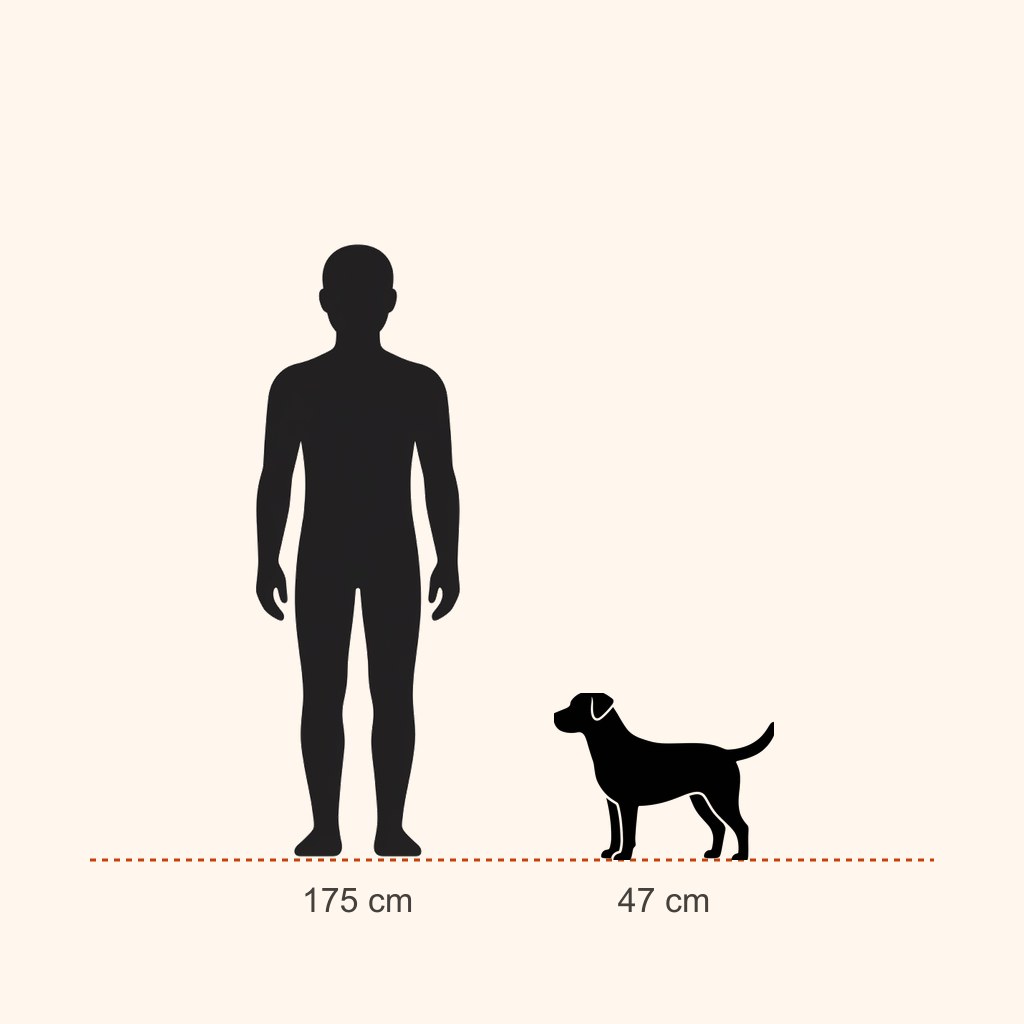
Australian Cattle Dog Owner's Guide
Last updated:
Is an Australian Cattle Dog right for you?
The Australian Cattle Dog (also known as the Blue Heeler or Queensland Heeler) was developed on Australia's vast cattle stations as a medium-sized, exceptionally tough herding dog. It carries dingo blood, and that heritage shows clearly in both its work ethic and its independent character. This is not a "moderate energy family dog" — it's a genuine working breed that constantly needs a job.
| Situation | Suitability | Note |
|---|---|---|
| Apartment | Poor | Even with intense exercise, space stays limited |
| Family with young children | Caution | Loyal, but may show heel-nipping herding behaviour |
| First-time dog owner | Poor | Independent, strong-willed; needs an experienced, decisive owner |
| Garden, very active family | Excellent | Matches its nature; needs daily work or exercise |
| Alone 8+ hours a day | Very poor | A bored dog becomes destructive and barks excessively |
| Owner into dog sports | Excellent | One of the top breeds in agility, obedience, and herding |
| Living with other dogs/pets | Caution | Can react sharply to rough handling; territorial tendencies |
| Home open to frequent new visitors | Poor | Devoted to family but wary and reserved with strangers |
Don't underestimate this breed: if you don't give it a job, it invents one — often herding the furniture or your shoes.
Before you adopt
According to the Australian Cattle Dog Club of America's (ACDCA) code of ethics, responsible breeders test for hip and elbow dysplasia, a certified eye exam, DNA tests for prcd-PRA and primary lens luxation (PLL), and mandatory BAER hearing testing. Ask to see these results when getting a puppy.
Deafness warning: this breed has a notably higher rate of congenital unilateral or bilateral deafness than most breeds; getting a puppy without a BAER test result is a real gamble.
Temperament
The Australian Cattle Dog is highly intelligent, loyal, and hardworking. It bonds deeply with family and often develops a particular closeness to one person.
It's wary and territorial with strangers, and can react by nipping if handled roughly or disturbed — so interaction with young children especially should be supervised.
Its herding instinct is strong: it may try to turn running children, bicycles, or cars by nipping at their heels. This isn't aggression, it's a work reflex bred for cattle herding, but it needs to be redirected.
Its intelligence and drive to work are exceptionally high; when bored it can develop compulsive behaviours like tail-chasing, excessive barking, or destructiveness.
Health issues and lifespan
Sources report an average lifespan of 12 to 16 years — the breed is known for longevity among dogs (the record-holding dog "Bluey" lived to 29, though that's an exceptional case).
- Congenital deafness: Scientific studies report roughly 11% unilateral deafness and 3-8% bilateral deafness in the breed, with higher risk in white or light-coloured, mask-free individuals. Diagnosed via BAER testing.
- Primary lens luxation (PLL): The fibres holding the eye's lens in place degrade and break; if the lens falls forward it can raise eye pressure and cause secondary glaucoma. A DNA test exists.
- Progressive retinal atrophy (prcd-PRA): An inherited, painless eye disease leading to blindness; screenable via DNA test.
- Hip and elbow dysplasia: Uncommon but ask breeders for certification.
- Skin conditions: Some inherited skin issues, including dermatomyositis, have been reported.
Feeding
An adult Australian Cattle Dog (16-20 kg / 35-45 lb) eats about 300-380 g of quality dry food a day; increase for working or highly active dogs.
- Puppy (2-15 months): Medium-breed puppy food, three meals a day.
- Adult: Two meals a day, 24-28% protein — energy density matters for this active breed.
- Senior (9+ years): Adjust calories; this breed tends to stay active well into old age.
Grooming and coat
Short, dense, weatherproof double coat.
- Brush 1-2 times a week; daily during seasonal shedding.
- Bathe every 8-12 weeks or when dirty.
- Nails every 3-4 weeks; brush teeth several times a week.
- Since this breed works the land, check for ticks and paw injuries regularly.
Training and exercise
Daily need: at least 1.5-2 hours of intense physical exercise plus regular mental work. A walk alone isn't enough — running, fetch, and agility-style activity are needed.
Priorities:
- Mental work. This breed's number-one need; scent games, puzzle feeders, simulated work tasks.
- Dog sports. Agility, obedience, herding — among the top breeds in these disciplines.
- Socialisation (8-16 weeks). Critical given its territorial, wary nature.
- Managing herding drive. Redirect nipping at running kids or vehicles from an early age.
- Bite-inhibition training. Especially important in homes with children, to lower the threshold for reacting when disturbed.
Consistent, reward-based training works best; being highly intelligent, it tires quickly of repetitive, boring drills.
History
The Australian Cattle Dog emerged in 19th-century Australia when herding dogs brought by English settlers (such as the Smithfield Collie) were crossed with the native dingo — these crosses were known as "Hall's Heelers." The goal was a tough dog able to drive cattle over long distances across Australia's harsh, vast, scorching terrain.
Later generations added Dalmatian and Kelpie blood to shape the breed as we know it today; the Dalmatian contribution is thought to have given the dog a natural tolerance of people and horses. The dingo blood contributed to its endurance, quiet working style, and independent decision-making.
Today the breed continues working on cattle stations worldwide and is also recognised as one of the top performers in dog sports. It should not be confused with the Australian Shepherd: despite the similar name, they are separate breeds — the Australian Shepherd was actually developed in the United States and has a longer coat.
This guide is for information only and is not a substitute for veterinary advice. Prices are approximate and vary by region and time.
Adoption Prep Checklist
Housing
-
Medium-breed dog bed
A comfortable bed supports joint health.
Feeding
-
Medium-breed dog food
Food matched to breed size gives the right nutritional balance.
-
Food and water bowl set
Needed for daily feeding and water access.
Grooming
-
De-shedding brush
Regular brushing reduces shedding and matting.
-
Dog nail clippers
Regular nail care matters for healthy walking.
-
Dog shampoo
Use a dog-specific shampoo for skin and coat health.
Walking & Activity
-
Running/exercise dog harness
Needed for safe walks.
-
Interactive dog puzzle toy
Mental and physical stimulation reduces behavior problems.
Frequently Asked Questions
Does the Australian Cattle Dog shed?
It sheds a moderate amount. Brushing two or three times a week noticeably reduces both loose hair and matting.
Can the Australian Cattle Dog live in an apartment?
Possible but not ideal. A house with outdoor space is preferable; in an apartment you will need to increase daily exercise substantially.
Is the Australian Cattle Dog good with children?
Caution is warranted. With proper socialisation and adult supervision it can live with children, but it is not a first choice for homes with young children.
Is the Australian Cattle Dog suitable for first-time dog owners?
Partly. Someone with basic experience will manage well, but it would not be the first choice for a complete beginner.
How much exercise does the Australian Cattle Dog need?
It is high-energy and needs vigorous daily activity. Mental stimulation matters as much as physical exercise; without enough to do, destructive behaviour follows.
Can the Australian Cattle Dog be left alone during the day?
It can be left alone for a few hours. Long, routine absences can bring on boredom-driven behaviour problems; enrichment and a predictable routine reduce that risk.
How long does the Australian Cattle Dog live?
The Australian Cattle Dog lives 12-15 years on average. Diet, regular veterinary check-ups and early screening for hereditary conditions all affect this directly.
Where does the Australian Cattle Dog come from?
The Australian Cattle Dog originates from Australia. The geography a breed was developed in, and the job it was bred for, explain much of its temperament and care needs today.