

Chinese Shar-Pei
The image on this page is AI-generated and does not depict a real animal.
- Species
- Dog
- Origin
- China
- Size
- Medium
- Lifespan
- 9-11 years
- Temperament
- Loyal independent calm protective
- Description
Known for its characteristic wrinkled skin, a guard dog devoted to its family and aloof with others.
- Physical Traits
Short bristly coat, distinct skin wrinkles all over the body, a blue-black tongue, a small curled tail.
- Care / Environment Info
Suitable for apartment living. Its short coat sheds little, but regular cleaning of the skin folds is important to prevent infection. Moderate exercise needs.
Chinese Shar-Pei Owner's Guide
Last updated:
Is a Chinese Shar-Pei right for you?
The Shar-Pei is an ancient Chinese breed instantly recognised by its wrinkled skin, small ears, "hippopotamus" muzzle, and blue-black tongue. It is deeply devoted to its family, aloof with strangers, and protective. Don't let the cute looks mislead you: this is a demanding breed in both temperament and health, and it calls for experience and a veterinary budget.
| Situation | Suitability | Note |
|---|---|---|
| Apartment | Moderate | Calm and clean; moderate exercise is enough |
| Family with young children | Caution | Can bond with its own family's children, but patience is limited |
| First-time dog owner | Poor | Can be dominant and independent; needs confident leadership |
| Other dogs and small pets | Caution | Tension with other dogs, especially same-sex, can occur |
| Someone home most of the day | Good | Prefers to be near its family |
| Ready for vet costs | Critical | Skin, eyes, and Shar-Pei fever need ongoing monitoring |
| Household with fur allergies | Moderate | Short coat but sheds; the harsh coat can irritate some people's skin |
Accept two things before getting a Shar-Pei: early, thorough socialisation is non-negotiable, and the breed carries a serious inherited disease of its own.
Before you adopt
Ask the breeder for the parents' hip screening and eye examination results. Ask directly whether the parents or line have had recurrent fevers, swollen joints, or kidney problems. A genetic test is available to help assess Shar-Pei fever risk; asking for the result is reasonable.
Heavy wrinkling is not a mark of quality. Excess folds mean more skin infections and eyelid problems, so be wary of sellers who market extreme wrinkles.
Check puppies' eyelids: tearing, squinting, or wet fur around the eyes are early signs of entropion.
Shar-Peis and crosses appear in shelters. Adopting an adult after reviewing its health history and temperament with a vet is a good option.
The Shar-Pei is not on most countries' restricted-breed lists, but check local laws before you commit.
Temperament
The Shar-Pei is calm, dignified, and loyal. It is quiet indoors, rarely barks without reason, and usually picks up clean habits quickly.
It is wary and reserved with strangers, which makes it a good watchdog. In poorly socialised dogs, however, that protectiveness can turn into aggression towards visitors or passers-by.
It is independent and self-assured; some individuals behave in a dominant way. Veterinary sources stress that the breed does not tolerate nonsense and needs an experienced owner.
Because it was historically also used for fighting, tolerance of other dogs varies from dog to dog.
Health issues and lifespan
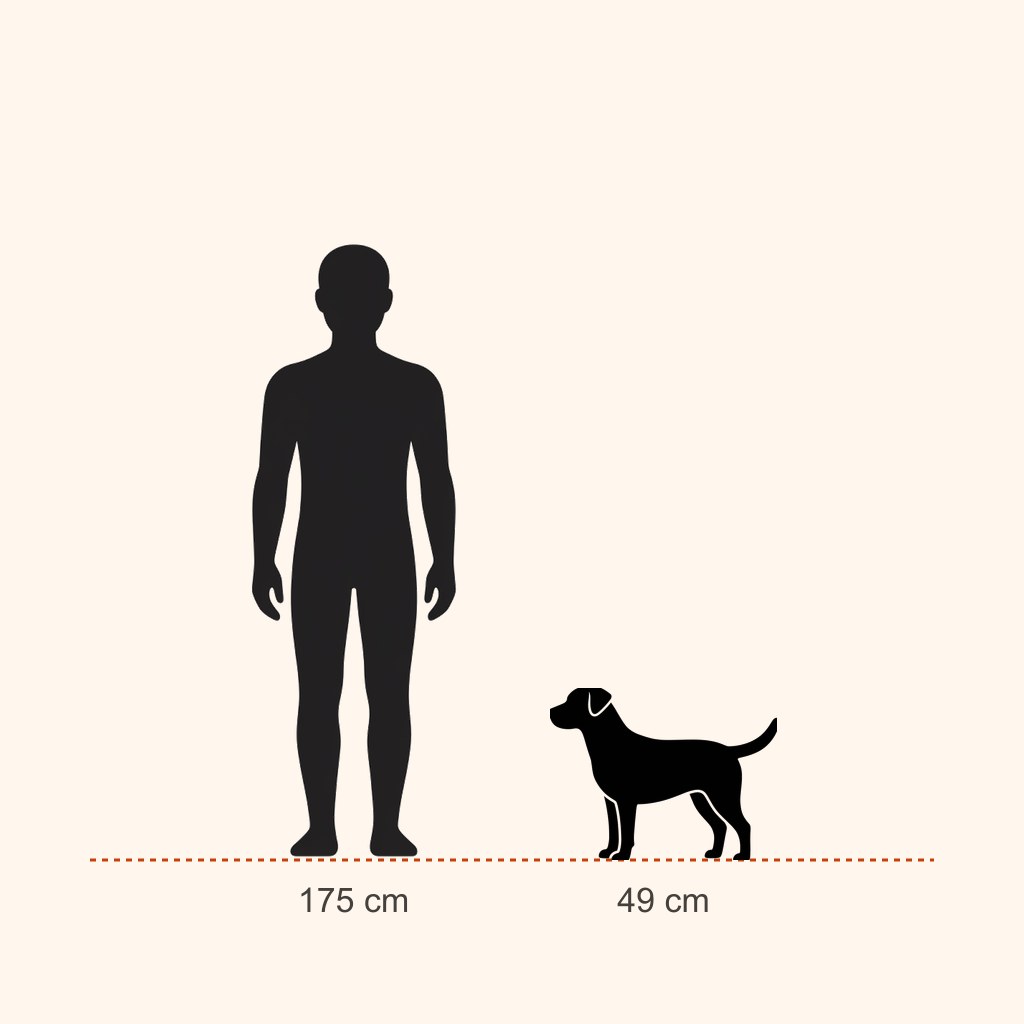
Veterinary sources give a lifespan of around 9-10 years, and some sources give longer ranges; Shar-Pei fever and amyloidosis are the main reasons lives are cut short. Adults weigh 18-29 kg and stand about 46-51 cm.
- Shar-Pei fever (familial Shar-Pei fever): An inherited disease specific to the breed, reported to affect about one in four Shar-Peis. It usually starts between one and six years of age. Fever episodes of 39.4-41.7 °C last 12-36 hours and resolve on their own, often with swollen hocks, a swollen muzzle, lethargy, and diarrhoea. See your vet for any unexplained fever; very high fever is an emergency.
- Renal amyloidosis: Amyloid protein produced during and between episodes is deposited in organs such as the kidneys and liver and can lead to kidney failure. Increased drinking and urination, poor appetite, weight loss, and vomiting are signs. It cannot be cured but can be managed; vets commonly use drugs such as colchicine and regular urine protein checks.
- Skin fold infections (pyoderma): Warmth and moisture between folds favour bacteria and yeast. Redness, odour, discharge, and itching are signs.
- Entropion: Very common in the breed. Lashes rub the eye, causing tearing, squinting, and redness. The permanent fix is surgery; puppies may get temporary sutures.
- Ear infections: Narrow ear canals and small, folded ears restrict airflow.
- Hypothyroidism and allergies: Hair loss, weight gain, recurrent skin trouble.
- Demodectic mange and bloat (GDV): Other significant problems reported in the breed.
Feeding
For an adult Shar-Pei (18-29 kg), about 250-350 g of quality dry food a day is a good starting point; adjust using the feeding guide and body condition.
- Puppy (2-12 months): Medium-breed puppy food, three meals a day.
- Adult: Two meals a day. For dogs with frequent skin trouble, your vet may suggest a single-protein or hydrolysed diet.
- Senior (7+ years): Reduce calories; check kidney values regularly because of amyloidosis risk.
Change the diet of a Shar-Pei with diagnosed kidney disease only on veterinary advice. Fresh water must always be available. Excess weight deepens skin folds and raises infection risk.
Grooming and coat
The coat is short and harsh, in "horse coat" and slightly longer "brush coat" varieties.
- A rubber brush once a week is enough.
- Check folds several times a week, wipe with a damp cloth if needed, and dry thoroughly. Leaving them damp invites infection.
- Check ears weekly and clean with a vet-recommended solution.
- Check eyes daily; don't wait if you see tearing or discharge.
- Bathe infrequently and dry the folds well afterwards.
- Nails every three to four weeks.
The harsh coat can cause itching or redness in some people, which may be an allergic reaction.
Training and exercise
Daily requirement: 45-60 minutes of walking and play. It is not a high-energy breed but it does need mental stimulation.
Its short muzzle can make it heat-sensitive; walk during cooler hours in summer.
Priorities:
- Socialisation (8-16 weeks). People, children, dogs, and new places. Late socialisation in this breed becomes reserve that is hard to undo.
- Handling. Fold, ear, and eye care will be lifelong; teach it with rewards from puppyhood.
- Consistent rules. A Shar-Pei tests inconsistency; everyone at home should apply the same rules.
- Leash manners and dog encounters. Manage reactions to other dogs early.
Harsh methods create resistance and loss of trust. Calm, clear, reward-based training works best.
History
The Shar-Pei originates in southern China, and dogs resembling it are said to appear in artefacts from the Han Dynasty. It was a farm dog used for hunting, guarding, and protecting livestock, and was at one time also used for fighting.
"Shar-Pei" means "sand skin", referring to its harsh coat. The wrinkles come from a genetic change that causes excess hyaluronic acid in the skin, and researchers have linked the same genetic background to Shar-Pei fever.
In the 20th century dog numbers in China fell sharply and the breed came close to disappearing. In the 1970s a small number of dogs were taken to the United States after an appeal by breeders in Hong Kong, and the breed was rebuilt from them. Today it is a widely kept companion dog.
This guide is for information only and is not a substitute for veterinary advice. Prices are approximate and vary by region and time.
Adoption Prep Checklist
Housing
-
Medium-breed dog bed
A comfortable bed supports joint health.
Feeding
-
Medium-breed dog food
Food matched to breed size gives the right nutritional balance.
-
Food and water bowl set
Needed for daily feeding and water access.
Grooming
-
Short-hair dog brush
Regular brushing reduces shedding and matting.
-
Dog nail clippers
Regular nail care matters for healthy walking.
-
Dog shampoo
Use a dog-specific shampoo for skin and coat health.
Walking & Activity
-
Dog leash and collar set
Needed for safe walks.
-
Plush dog toy
Mental and physical stimulation reduces behavior problems.
Frequently Asked Questions
Does the Chinese Shar-Pei shed?
Shedding is low. Brushing once a week is usually enough, with a mild increase during seasonal changes.
Can the Chinese Shar-Pei live in an apartment?
Yes. It lives comfortably in an apartment as long as its daily needs are met. What matters is not floor area but consistent exercise and mental stimulation.
Is the Chinese Shar-Pei good with children?
Caution is warranted. With proper socialisation and adult supervision it can live with children, but it is not a first choice for homes with young children.
Is the Chinese Shar-Pei suitable for first-time dog owners?
Partly. Someone with basic experience will manage well, but it would not be the first choice for a complete beginner.
How much exercise does the Chinese Shar-Pei need?
It needs a moderate amount of exercise. Daily activity plus some play time makes for a balanced routine.
Can the Chinese Shar-Pei be left alone during the day?
It can be left alone for a few hours. Long, routine absences can bring on boredom-driven behaviour problems; enrichment and a predictable routine reduce that risk.
How long does the Chinese Shar-Pei live?
The Chinese Shar-Pei lives 9-11 years on average. Diet, regular veterinary check-ups and early screening for hereditary conditions all affect this directly.
Where does the Chinese Shar-Pei come from?
The Chinese Shar-Pei originates from China. The geography a breed was developed in, and the job it was bred for, explain much of its temperament and care needs today.