

Dalmatian
The image on this page is AI-generated and does not depict a real animal.
- Species
- Dog
- Origin
- Croatia
- Size
- Large
- Lifespan
- 11-13 years
- Temperament
- Energetic outgoing intelligent loyal
- Description
Known for its black spots on a white background, an athletic and energetic breed.
- Physical Traits
Short smooth white coat with round black or brown spots, a slender muscular athletic body.
- Care / Environment Info
A house with a garden, active household preferred. Despite its short coat, it sheds moderate-to-heavily. Very high exercise needs. Some individuals carry a genetic risk of deafness.
Dalmatian Owner's Guide
Last updated:
Is a Dalmatian right for you?
The Dalmatian's spotted coat makes it one of the most recognisable dogs in the world, but that fame often creates the wrong expectations. The breed was selected for centuries to run for miles alongside horse-drawn carriages; it is a high-endurance working dog, not a calm cartoon character.
| Situation | Suitability | Note |
|---|---|---|
| Apartment | Poor | High energy; problems indoors without enough running |
| Family with young children | Caution | Affectionate but large and bouncy; can knock toddlers over |
| First-time dog owner | Poor | Independent, energetic and needs special health management |
| Family that runs or hikes | Excellent | What the breed was made for |
| Alone 8+ hours a day | Poor | Boredom turns into destruction |
| Household with fur allergies | Poor | Short coat but heavy year-round shedding |
| Owner able to manage diet and water | Required | Urinary stone risk needs lifelong management |
Before you adopt
Don't decide because of a film. Interest in the breed surged after the "101 Dalmatians" films, and many owners unprepared for its energy later gave their dogs up. Choose this dog because it fits an active 11-13 year plan, not because of its looks or a child's wish.
If buying from a breeder, two documents are non-negotiable:
- BAER hearing test: Puppies can have each ear tested separately with a brainstem auditory evoked response test from around 5-6 weeks. Do not take a puppy without results; a dog deaf in one ear is hard to spot at home.
- SLC2A9 (uric acid) genetic test: Most Dalmatians excrete high levels of uric acid (HUA). Dogs from the LUA (low uric acid) backcross line, started in 1973, excrete normal levels and have a much lower risk of urate stones. The Dalmatian Club of America Foundation stresses that a registration number alone does not prove LUA status; ask for the genetic test result.
Adult Dalmatians also come up in shelters and rescues. With an adult, ask about hearing and urinary history.
Temperament
The Dalmatian is intelligent, energetic and devoted to its family. It is warm with people it knows but can be aloof with strangers.
It is independent. It learns fast but stops listening when bored; short, fun, reward-based sessions work best.
If its exercise needs are not met, expect digging, chewing, barking and damage. This is not naughtiness but pent-up energy.
Historically it worked with horses and can get on with other animals, but early socialisation is essential.
Health issues and lifespan
Sources generally give a lifespan of 11-13 years.
- Inherited deafness: Linked to the pigment genetics behind the spotted coat. PetMD reports that about 5% of Dalmatians are deaf in both ears and 15-30% in one ear. Signs include not responding when called, startling easily when asleep and reacting to movement rather than sound. Bilaterally deaf dogs can live well with hand-signal training, but startle-biting risk and off-lead safety need an experienced owner.
- Urate bladder stones: Caused by an inherited difference in uric acid metabolism. VCA notes that in Dalmatians the vast majority of cases are males. Signs: blood in urine, frequent small urinations, straining. A dog trying but unable to urinate is an emergency; a blockage can cause bladder rupture and kidney failure within hours.
- Skin allergies and "bronzing" syndrome: Itching, redness, hair loss, a bronze tint along the back. Persistent itching needs a vet check.
- Dilated cardiomyopathy: Weakening of the heart muscle. Reduced stamina, coughing or fainting warrants examination.
- Hip dysplasia: Lameness, difficulty rising.
Feeding
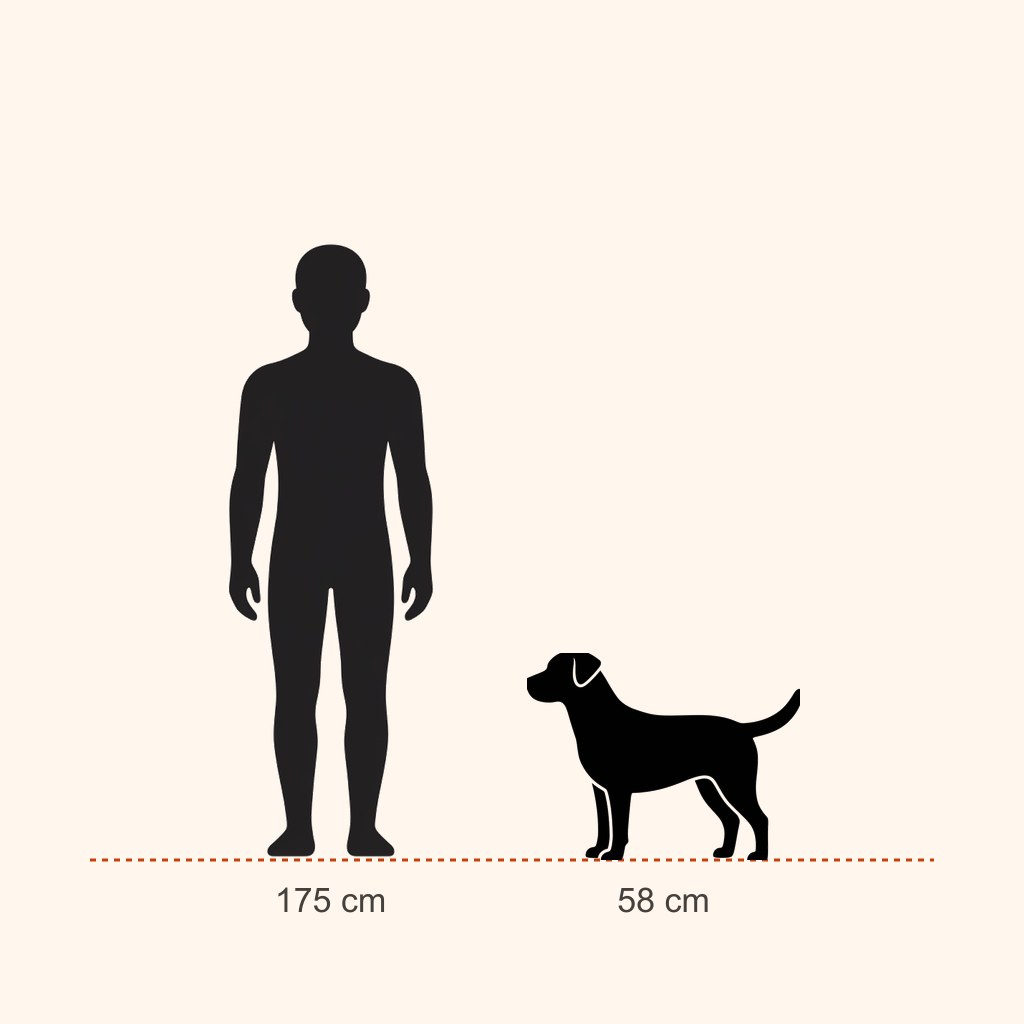
An adult Dalmatian (20-32 kg) typically eats roughly 300-420 g of good-quality dry food a day depending on activity and the food's energy content.
The breed's key feeding rules aim to reduce stone risk:
- Low purine: Organ meats (liver, kidney), sardines and anchovies, game meat and yeast are purine-rich; avoid them. Switch to a low-purine or urinary diet if your vet recommends it.
- Plenty of water: Always available. Soaking dry food or mixing in wet food dilutes the urine.
- Frequent toilet breaks: Urine sitting in the bladder for long periods encourages stones.
- Neutering timing: DCAF notes early neutering may narrow the urethra in males and contribute to blockage; discuss timing with your vet.
- Puppy: Medium-to-large breed puppy food, 3-4 meals a day.
Grooming and coat
Short, dense, fine coat.
- Heavy shedding all year. The short hairs weave into fabric and are hard to remove.
- A rubber brush or grooming mitt 2-3 times a week reduces shedding.
- Baths are rarely needed; every few months is enough.
- Pink skin can burn; avoid strong midday sun.
- Check nails monthly and ears weekly.
Training and exercise
Daily need: at least 1.5-2 hours of activity. A standard lead walk is not enough. Brisk walks, running (once mature), safe off-lead running, agility and fetch all suit the breed.
Priorities:
- Socialisation (8-16 weeks): To balance the reserve with strangers.
- Lead walking: A strong, fast dog; start early.
- Recall: For deaf or unilaterally deaf dogs, use hand signals and a vibration collar.
- Mental work: Scent games and puzzle feeders.
- Alone-time training.
Don't start running a puppy; until growth plates close (around 12-18 months) keep exercise short and on soft ground. In hot weather, run in cool hours and carry water.
History
The name comes from Dalmatia in present-day Croatia, which the FCI recognises as the breed's country of origin. Its exact roots are debated, but the breed was shaped mainly in England as a "coach dog": running beside carriages, steadying the horses and guarding them at stops.
In America it accompanied horse-drawn fire engines and became the firehouse mascot. With motor vehicles it lost its job and became a family dog.
The uric acid problem was tackled in 1973 when Dr. Robert Schaible crossed a Pointer with a Dalmatian and bred later generations back to purebred Dalmatians. After long debate the AKC accepted this LUA line into its stud book in 2009.
This guide is for information only and is not a substitute for veterinary advice. Prices are approximate and vary by region and time.
Adoption Prep Checklist
Housing
-
Large-breed dog bed
A comfortable bed supports joint health.
Feeding
-
Large-breed dog food
Food matched to breed size gives the right nutritional balance.
-
Food and water bowl set
Needed for daily feeding and water access.
Grooming
-
De-shedding brush
Regular brushing reduces shedding and matting.
-
Dog nail clippers
Regular nail care matters for healthy walking.
-
Dog shampoo
Use a dog-specific shampoo for skin and coat health.
Walking & Activity
-
Running/exercise dog harness
Needed for safe walks.
-
Interactive dog puzzle toy
Mental and physical stimulation reduces behavior problems.
Frequently Asked Questions
Does the Dalmatian shed?
It sheds heavily, especially at seasonal changes. Expect near-daily brushing and regular cleaning at home; it is not a good choice for anyone sensitive to pet hair.
Can the Dalmatian live in an apartment?
Possible but not ideal. A house with outdoor space is preferable; in an apartment you will need to increase daily exercise substantially.
Is the Dalmatian good with children?
Generally yes. It adapts well to families with children. Even so, interactions should be supervised and children taught to respect the animal’s boundaries.
Is the Dalmatian suitable for first-time dog owners?
Partly. Someone with basic experience will manage well, but it would not be the first choice for a complete beginner.
How much exercise does the Dalmatian need?
It is high-energy and needs vigorous daily activity. Mental stimulation matters as much as physical exercise; without enough to do, destructive behaviour follows.
Can the Dalmatian be left alone during the day?
It can be left alone for a few hours. Long, routine absences can bring on boredom-driven behaviour problems; enrichment and a predictable routine reduce that risk.
How long does the Dalmatian live?
The Dalmatian lives 11-13 years on average. Diet, regular veterinary check-ups and early screening for hereditary conditions all affect this directly.
Where does the Dalmatian come from?
The Dalmatian originates from Croatia. The geography a breed was developed in, and the job it was bred for, explain much of its temperament and care needs today.