

English Cocker Spaniel
The image on this page is AI-generated and does not depict a real animal.
- Species
- Dog
- Origin
- England
- Size
- Medium
- Lifespan
- 12-14 years
- Temperament
- Cheerful affectionate energetic friendly
- Description
Cheerful and energetic, a lovable breed originally bred for bird hunting.
- Physical Traits
Medium-length wavy coat, long drooping ears, a medium-sized compact body.
- Care / Environment Info
Suitable for apartment living with adequate exercise. Its coat sheds moderately, requiring regular brushing. High exercise needs. Its drooping ears need regular cleaning.
English Cocker Spaniel Owner's Guide
Last updated:
Is an English Cocker Spaniel right for you?
The English Cocker Spaniel is a medium-sized gundog known for its merry temperament, ever-wagging tail and silky coat. Calm at home and energetic outdoors, it is a popular family dog. Our Cocker Spaniel guide covers the American type; this page covers the English Cocker, which is a separate breed. Both share the same roots but were developed in different directions.
| Situation | Suitability | Note |
|---|---|---|
| Apartment | Moderate | Adapts well if daily exercise is provided |
| Family with young children | Good | Playful and affectionate; puppies are boisterous |
| First-time dog owner | Good | Eager to please and food-motivated |
| Alone 8+ hours a day | Poor | People-oriented; barking and anxiety when left alone |
| Household with fur allergies | Poor | Sheds year-round |
| No time for regular grooming | Poor | Coat, ears and teeth need consistent care |
| Active, outdoorsy family | Excellent | Loves walks, games and scent work |
How it differs from the American Cocker
The two breeds are often confused. The main differences:
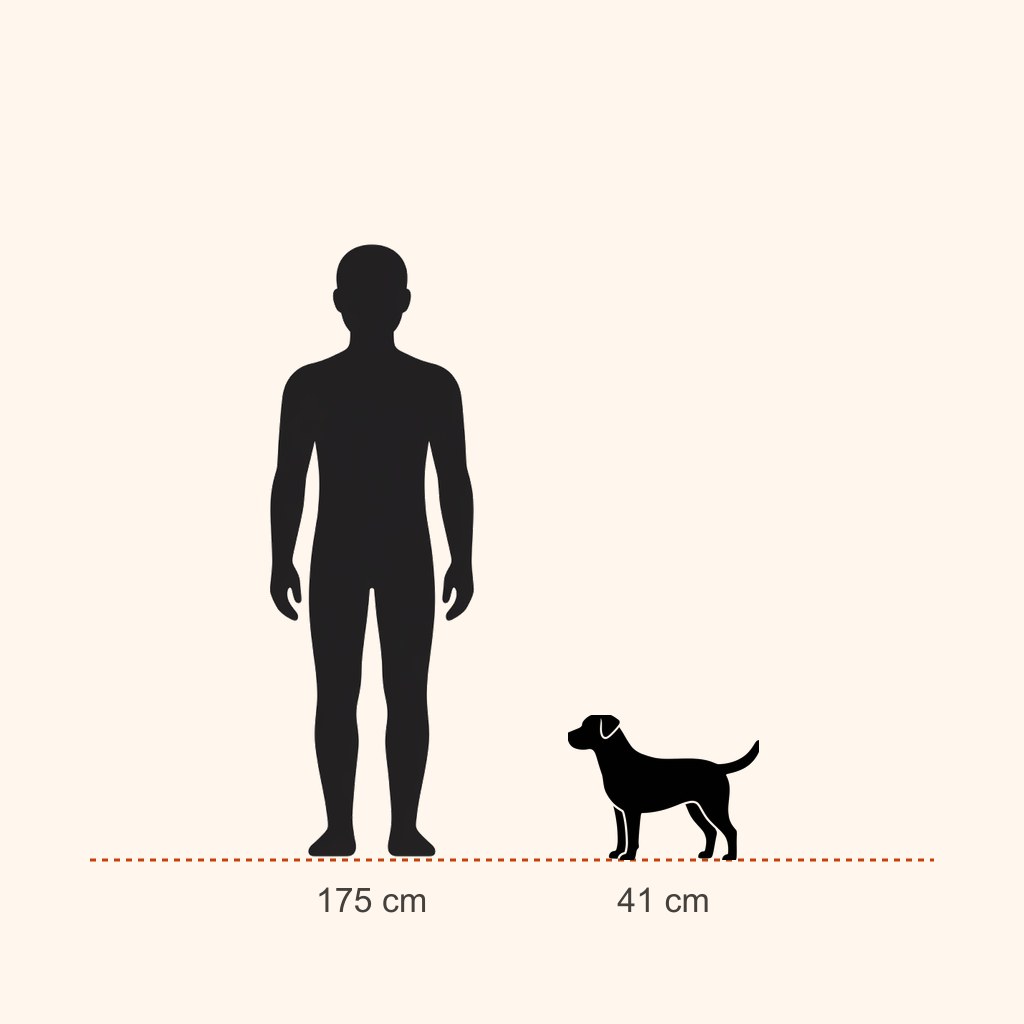
- Body: The English Cocker is slightly longer-legged and more athletic, standing about 38-43 cm (15-17 in) and usually weighing 12-15 kg (26-34 lb). The American Cocker is smaller and more compact.
- Head: The English type has a longer muzzle and a less domed skull; the American has a pronounced forehead and shorter muzzle.
- Coat: The American Cocker's coat is far denser with heavy feathering. The English Cocker still needs grooming but is usually more manageable.
- Purpose: English Cockers from working lines are still used in the field and may have more energy.
Both are cheerful and people-loving. They share some health issues (ear infections, eye disease), but several inherited conditions are breed-specific; those relevant to the English type are covered below.
Before you adopt
If buying from a breeder, ask for the parents' prcd-PRA (progressive retinal atrophy) and familial nephropathy (FN) DNA results, hip evaluations and a current eye examination. The English Cocker Spaniel Club of Canada lists these as core screening for the breed. Without parental FN results, the risk is unknown.
The puppy should have stayed with its mother for at least eight weeks. Meet the mother; a shy or aggressive mother is a warning sign for temperament. Cocker-type dogs also appear in shelters and rescues, and adopting an adult is a very good option.
Temperament
The English Cocker is the definition of "merry". It enjoys being with people, is devoted to its family and is usually friendly towards strangers.
Its hunting instinct is real: it follows scents and is drawn to birds. It may not hear you once it spots a pigeon, so do not let it off-lead until recall is solid.
It is a sensitive breed. Harsh tones and punishment make it withdrawn, while rewards and play make it learn quickly.
It does not like long periods alone. A Cocker left alone all day may bark, chew and develop separation anxiety.
Health issues and lifespan
A VetCompass study of UK primary-care records found a median longevity of about 11.4 years; sources generally give 11-14 years. The same study found periodontal disease, otitis externa and obesity to be the three most common problems.
- Otitis externa: Long, heavy ears limit airflow. Head shaking, scratching, odour or brown discharge warrant a vet visit within a few days; chronic otitis can cause lasting damage.
- Periodontal disease: Bad breath, tartar, bleeding gums. Regular brushing and yearly dental checks matter.
- Progressive retinal atrophy (prcd-PRA): Inherited; night vision fails first, then total blindness. Have the eyes examined if your dog bumps into things in the dark. A DNA test exists.
- Familial nephropathy (FN): Inherited kidney disease that usually causes kidney failure between 6 months and 2 years of age and is fatal. Excessive thirst, frequent urination, weight loss or poor appetite in a young dog needs prompt veterinary attention. Parental testing prevents it.
- Adult-onset neuropathy (AON): Progressive weakness from nerve damage; a DNA test is available. See your vet if the hind legs weaken or the dog stumbles.
- Hip dysplasia and patellar luxation: Lameness, skipping steps, stiffness when rising.
- Obesity: A food-loving breed; excess weight strains joints and the heart.
Feeding
An adult English Cocker (12-15 kg) typically needs roughly 180-250 g of good-quality dry food a day. The exact amount depends on the food's energy content and activity level; start from the packet guide and aim for ribs you can feel easily.
- Puppy (2-12 months): Medium-breed puppy food, 3-4 meals a day.
- Adult: Two meals a day; subtract training treats from the daily ration.
- Senior (8+ years): Fewer calories; monitor weight and dental health closely.
Avoid table scraps. Those eyes are hard to resist, but obesity is one of the breed's most commonly recorded problems.
Grooming and coat
Medium-length, silky coat with feathering on the ears, chest and legs.
- Brush at least 2-3 times a week; ear and leg feathering mats quickly.
- A tidy-up at a groomer every 6-8 weeks (shaping, not shaving) suits most owners.
- Check ears weekly and dry them after swimming or bathing.
- Trim nails monthly and keep the hair between the pads short.
- Brush teeth daily if possible, or at least several times a week.
- A narrow, deep bowl helps keep the ears out of the food.
Training and exercise
Daily need: at least an hour of activity. Walks plus fetch, scent games and safe off-lead running are ideal.
Priorities:
- Socialisation (8-16 weeks): Positive experiences with people, sounds and dogs.
- Recall: The hardest and most important cue for a gundog.
- Alone-time training: Start short and build up.
- Loose-lead walking: Start early, as the nose pulls the dog forward.
- Scent work: Mental exercise that suits the breed.
In hot weather, move walks to early morning and evening.
History
Spaniels have been used in Britain for centuries to flush game birds from cover. The name "Cocker" comes from their use on woodcock. Until the 19th century, puppies from the same litter could be classed differently by size; over time the Cocker and Springer became separate breeds.
Lines exported to America were developed to be smaller with a more profuse coat. Breeders who wanted to preserve the English type pushed for separation, and the American Kennel Club recognised the English Cocker Spaniel as a distinct breed in 1946. In the UK today "Cocker Spaniel" means this breed, popular both as a family pet and a working gundog.
This guide is for information only and is not a substitute for veterinary advice. Prices are approximate and vary by region and time.
Adoption Prep Checklist
Housing
-
Medium-breed dog bed
A comfortable bed supports joint health.
Feeding
-
Medium-breed dog food
Food matched to breed size gives the right nutritional balance.
-
Food and water bowl set
Needed for daily feeding and water access.
Grooming
-
De-shedding brush
Regular brushing reduces shedding and matting.
-
Dog nail clippers
Regular nail care matters for healthy walking.
-
Dog shampoo
Use a dog-specific shampoo for skin and coat health.
Walking & Activity
-
Running/exercise dog harness
Needed for safe walks.
-
Interactive dog puzzle toy
Mental and physical stimulation reduces behavior problems.
Training
-
Training treats / beginner training guide
Basic obedience training is recommended for first-time dog owners.
Frequently Asked Questions
Does the English Cocker Spaniel shed?
It sheds a moderate amount. Brushing two or three times a week noticeably reduces both loose hair and matting.
Can the English Cocker Spaniel live in an apartment?
Yes. It lives comfortably in an apartment as long as its daily needs are met. What matters is not floor area but consistent exercise and mental stimulation.
Is the English Cocker Spaniel good with children?
Generally yes. It adapts well to families with children. Even so, interactions should be supervised and children taught to respect the animal’s boundaries.
Is the English Cocker Spaniel suitable for first-time dog owners?
Yes. Its care and training are relatively forgiving, which makes it a sound choice for first-time owners.
How much exercise does the English Cocker Spaniel need?
It is high-energy and needs vigorous daily activity. Mental stimulation matters as much as physical exercise; without enough to do, destructive behaviour follows.
Can the English Cocker Spaniel be left alone during the day?
It can be left alone for a few hours. Long, routine absences can bring on boredom-driven behaviour problems; enrichment and a predictable routine reduce that risk.
How long does the English Cocker Spaniel live?
The English Cocker Spaniel lives 12-14 years on average. Diet, regular veterinary check-ups and early screening for hereditary conditions all affect this directly.
Where does the English Cocker Spaniel come from?
The English Cocker Spaniel originates from England. The geography a breed was developed in, and the job it was bred for, explain much of its temperament and care needs today.