

Pekingese
The image on this page is AI-generated and does not depict a real animal.
- Species
- Dog
- Origin
- China
- Size
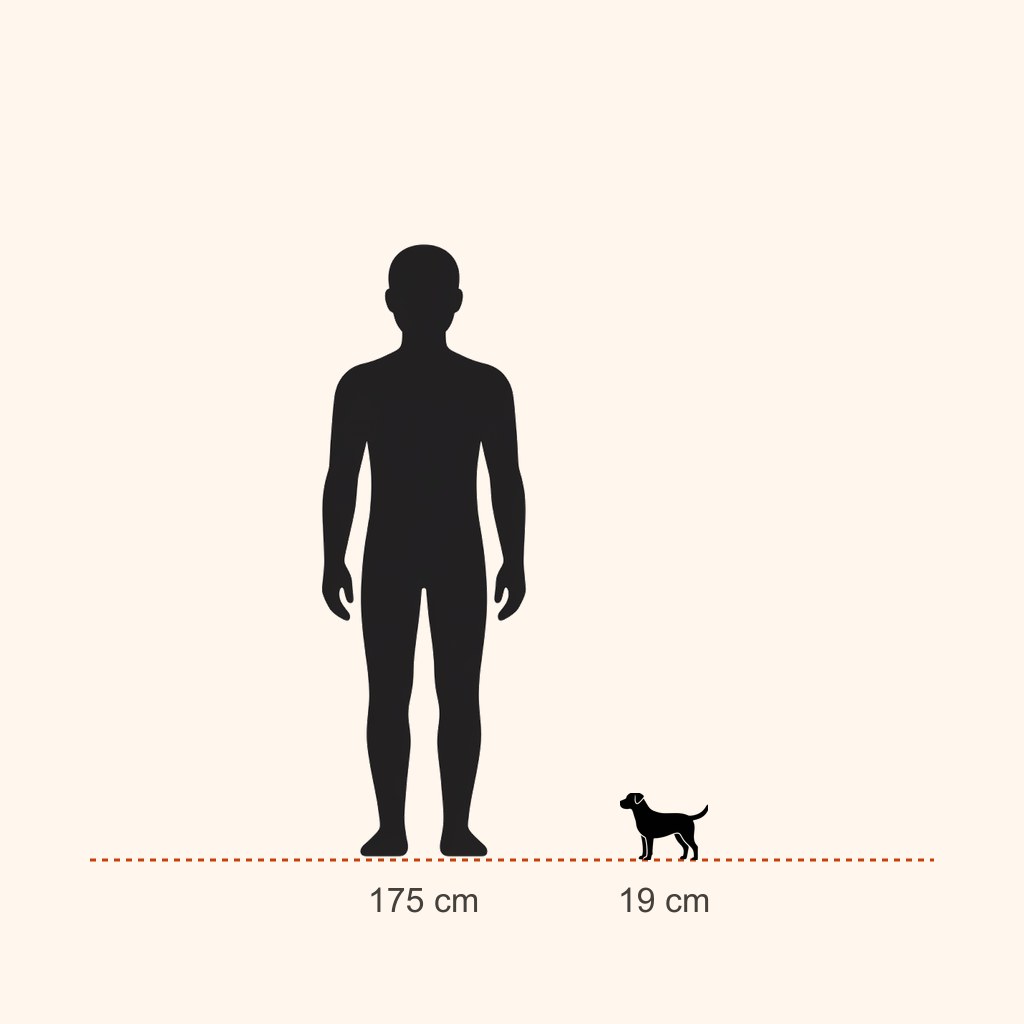
- Very Small
- Lifespan
- 12-14 years
- Temperament
- Dignified independent loyal
- Description
Bred in Chinese palaces, a small lap dog known for its dignified posture.
- Physical Traits
Long lush coat, a flat face, a short-legged stocky body.
- Care / Environment Info
Very suitable for apartment living. Its long coat requires regular brushing. Low exercise needs. Its flat facial structure makes it heat-intolerant.
Pekingese Owner's Guide
Last updated:
Is a Pekingese right for you?
The Pekingese is a companion dog shaped for centuries behind the closed doors of the Chinese imperial court. It is known for its dignified bearing, its rolling gait, and a mane that recalls a lion. It is a very small dog, rarely over 5-6 kg, but nothing about its behaviour is small: it is confident, opinionated, and not easily persuaded to obey.
With this breed, the decision comes down largely to one question: are you prepared to take on the health burden that comes with a flat face?
| Situation | Suitability | Note |
|---|---|---|
| Apartment | Excellent | Small, calm, content with little exercise |
| Family with young children | Poor | Cannot take rough play; the eyes are very exposed to injury |
| First-time dog owner | Moderate | Training is not hard, but the dog is stubborn and independent |
| Hot climate without air conditioning | Poor | Heatstroke is a genuine risk of death in this breed |
| Looking for a walking or running partner | Unsuitable | The airway is not built for sustained exercise |
| Home with stairs and high furniture | Caution | The long back predisposes to disc disease |
| Household with no grooming time | Poor | Several brushings a week plus daily facial-fold cleaning |
| Home that needs quiet | Moderate | A surprisingly loud bark for its size |
Once a Pekingese loves you, it is entirely yours — but that love does not arrive in the form of obedience. You have to accept living with a dignified, slightly distant dog that makes its own decisions.
Before you adopt
The Pekingese is not on the usual restricted-breed lists; for example, Turkey's list of dangerous breeds under animal-protection law No. 5199 covers American Pit Bull Terrier, Dogo Argentino, Fila Brasileiro, Japanese Tosa, American Staffordshire Terrier, and American Bully, and does not include this breed. Registration and microchipping rules vary by country, so check your local regulations.
When choosing a puppy, look at the nostrils: narrow, pinched nostrils (stenotic nares) predict serious breathing trouble later. If the puppy breathes noisily even at rest, or takes a long time to recover after play, walk away. A Pekingese with slightly more open nostrils and a slightly longer face loses none of the breed's character and lives far more comfortably.
Look at the eyes too: very prominent eyes that do not fully close are exposed to injury and even proptosis. The skin under the facial fold should not be red or smelly.
Temperament
The Pekingese believes it is more than a dog, and it lets you know. It is loyal to its family, calm indoors, and cautious with strangers. It is not a shadow that follows you everywhere but a companion that sits in the same room.
Stubbornness is part of the package. It is clever, but it asks "why should I?" Short, playful, reward-based sessions work; coercive methods hit a wall with this breed.
Its watchdog reflex is strong. It announces whatever arrives at the door, with a voice that is startling for its size. In an apartment, that behaviour needs managing from the start.
It dislikes being alone, and separation anxiety is reported in dogs left for long hours. At the other extreme, its relationship with large dogs and rough-playing children is risky: one collision can mean an eye or spinal injury in this breed.
Health issues and lifespan
Sources generally give a lifespan of 12-15 years. What really determines it in this breed is how early the problems below are managed.
- Brachycephalic obstructive airway syndrome (BOAS): The skull is shortened but the soft tissues are not reduced in proportion. Narrow nostrils, an elongated soft palate, and a narrow windpipe make breathing hard work. Signs: constant snorting and snoring, tiring quickly on exertion, blue-tinged gums, collapse. In severe cases, surgery on the nostrils and soft palate transforms quality of life, and results are better when it is done young. Anaesthesia carries extra risk, so your vet should use a brachycephalic protocol.
- Heatstroke: Dogs shed heat by panting, and the Pekingese cannot do it efficiently. Hot summers are dangerous for this breed. Walk early and late, and never leave the dog alone in a car. Extreme panting, thick drool, wobbling, and blue gums are an emergency: move the dog somewhere cool, wet it with tepid (not iced) water, and go straight to a vet.
- Proptosis and corneal injuries: The shallow eye socket means the eye can be displaced from the socket by a blow, a sharp pull on a neck collar, or rough play. This is an absolute emergency: keep the eye moist with saline or water and get to a vet without delay. The same anatomy makes dry eye and corneal ulcers common; cloudiness, squinting, or constant watering must not wait.
- Intervertebral disc disease (IVDD): The long back and short legs predispose the breed to disc problems. Back pain, hind-limb weakness, or paralysis are emergencies. Use ramps instead of jumping off sofas and keep the dog lean.
- Skin-fold dermatitis: The facial fold stays damp and becomes red, smelly, and itchy. Daily cleaning and drying prevent it.
- Dental disease: Crowded, misaligned teeth in a small jaw invite tartar. Bad breath is the first sign.
- Patellar luxation: The classic sign is a hind leg held up for a few strides.
Feeding
An adult Pekingese (4-6 kg) eats roughly 70-120 g of good-quality dry food a day, depending on the calorie density of the food and the dog's activity.
- Puppy: Small-breed puppy food, 3-4 meals a day. Long gaps between meals can drop blood sugar in very small puppies.
- Adult: Two meals a day. The flat face can make eating awkward; small kibble and raised-rim bowls help.
- Senior: Fewer calories, and a lean body weight to protect the airway and spine.
In this breed, weight is directly a breathing and spine issue. Even a few hundred grams of excess make breathlessness and disc risk worse. Skip the fatty table scraps; the ribs should be easy to feel.
Grooming and coat
The coat is thick, double, and long, and heaviest around the mane.
- Brush two to three times a week, right down to the skin; behind the ears, the armpits, and the hind legs mat first.
- Wipe the facial fold daily with a damp cloth and dry it thoroughly.
- Keep the hair around the eyes short and clean tear stains daily.
- Keep the rear end trimmed, or faeces will stick and irritate the skin.
- A groomer every 6-8 weeks is a practical option. In hot weather, thinning the coat is better than shaving it to the skin.
- Nails every 3-4 weeks; teeth brushed daily if possible.
- Use a harness rather than a collar: neck pressure threatens both the airway and the eyes in this breed.
Training and exercise
Daily needs are small: two short walks of 15-25 minutes in the cool hours, plus indoor play. Hard exercise, long runs, and activity in the heat are dangerous for this breed. If the breathing becomes laboured, stop immediately.
Priorities:
- Socialisation (8-16 weeks). Different people and settings to balance its natural reserve.
- Accepting handling. Eye, tooth, and fold checks will be a lifelong routine in this breed.
- Barking management. A "tell me, then quiet" routine.
- Learning to be alone. Build up gradually with short separations.
- Reducing jumping. Ramps for the sofa and bed protect the spine.
History
The Pekingese was the dog of the imperial court in China, and for centuries it was forbidden to leave the palace. Its resemblance to the lion figure of Buddhist tradition helped give it sacred status, which is why it is also called the "lion dog".
It reached the West in 1860, when the Summer Palace was looted during the Second Opium War. A handful of dogs were taken to Britain and founded the European lines.
The breed's biggest controversy today is that the face has grown progressively flatter over time. In several countries, breed clubs and veterinary bodies are working to favour dogs with more open nostrils and easier breathing. If you are buying a Pekingese, you can make that choice too: picking the individual that breathes comfortably is the most direct support you can give the breed's future.
This guide is for information only and is not a substitute for veterinary advice. Prices are approximate and vary by region and time.
Adoption Prep Checklist
Housing
-
Small-breed dog bed
A comfortable bed supports joint health.
Feeding
-
Small-breed dog food
Food matched to breed size gives the right nutritional balance.
-
Food and water bowl set
Needed for daily feeding and water access.
Grooming
-
De-shedding brush
Regular brushing reduces shedding and matting.
-
Dog nail clippers
Regular nail care matters for healthy walking.
-
Dog shampoo
Use a dog-specific shampoo for skin and coat health.
Walking & Activity
-
Dog leash and collar set
Needed for safe walks.
-
Plush dog toy
Mental and physical stimulation reduces behavior problems.
Frequently Asked Questions
Does the Pekingese shed?
It sheds a moderate amount. Brushing two or three times a week noticeably reduces both loose hair and matting.
Can the Pekingese live in an apartment?
Yes. It lives comfortably in an apartment as long as its daily needs are met. What matters is not floor area but consistent exercise and mental stimulation.
Is the Pekingese good with children?
Caution is warranted. With proper socialisation and adult supervision it can live with children, but it is not a first choice for homes with young children.
Is the Pekingese suitable for first-time dog owners?
Partly. Someone with basic experience will manage well, but it would not be the first choice for a complete beginner.
How much exercise does the Pekingese need?
Its energy level is low. Short, regular activity is enough; strenuous exercise is not required.
Can the Pekingese be left alone during the day?
It tolerates being alone well. That makes it workable for someone employed full time, though it will still expect attention and activity on your return.
How long does the Pekingese live?
The Pekingese lives 12-14 years on average. Diet, regular veterinary check-ups and early screening for hereditary conditions all affect this directly.
Where does the Pekingese come from?
The Pekingese originates from China. The geography a breed was developed in, and the job it was bred for, explain much of its temperament and care needs today.