

Shetland Sheepdog
The image on this page is AI-generated and does not depict a real animal.
- Species
- Dog
- Origin
- Scotland (Shetland Islands)
- Size
- Small
- Lifespan
- 12-15 years
- Temperament
- Intelligent affectionate alert trainable
- Description
Known as a small version of the Collie, a very intelligent and loyal herding dog.
- Physical Traits
Long lush coat (sable-white common), a pointed long muzzle, an elegant small-to-medium body.
- Care / Environment Info
Suitable for apartment living. Its long coat sheds heavily, requiring regular brushing. Moderate-to-high exercise needs. Barking can be noticeable.
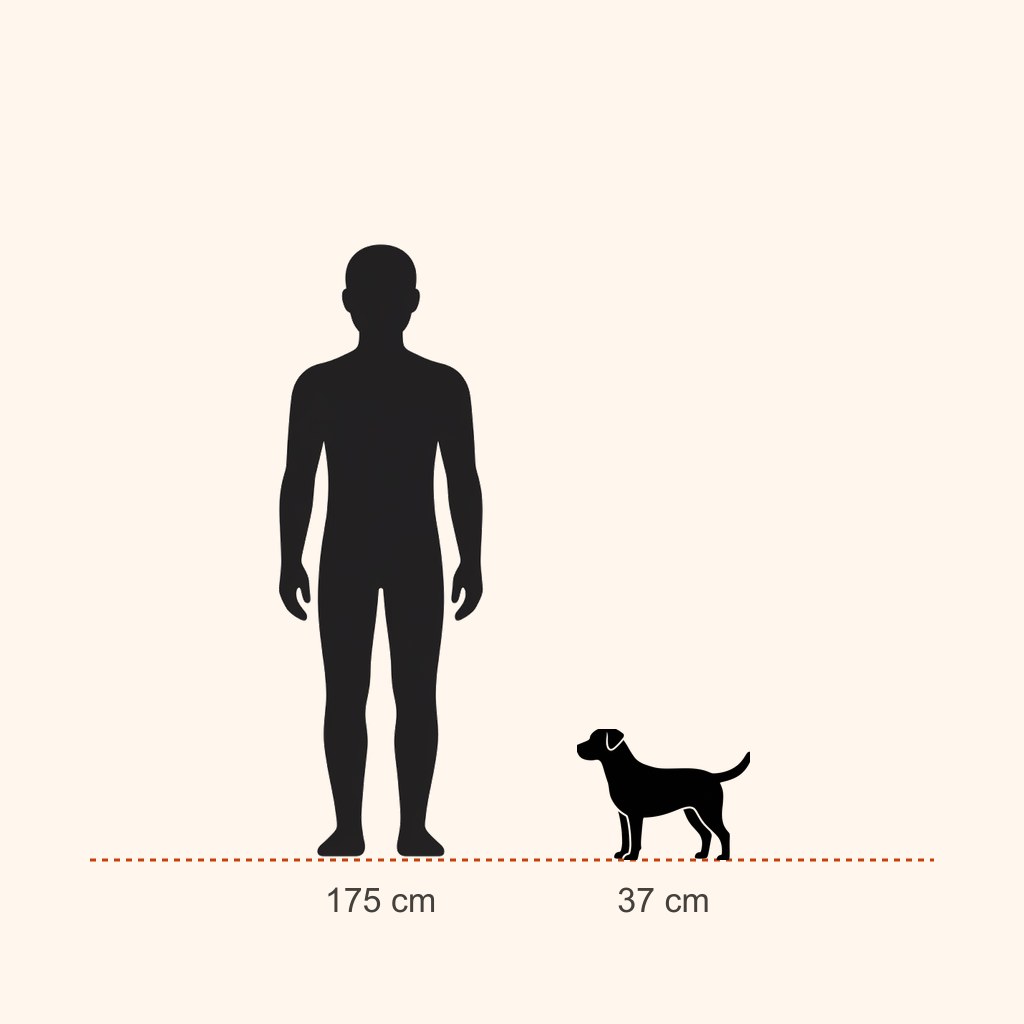
Shetland Sheepdog Owner's Guide
Last updated:
Is a Shetland Sheepdog right for you?
The Shetland Sheepdog, or Sheltie, is a small, clever, very quick-learning herding dog from Scotland's Shetland Islands. With its long coat and Collie-like face it can look like a lapdog, but inside it is a true working dog: it tracks movement, sounds the alarm, and wants a job to do.
| Situation | Suitability | Note |
|---|---|---|
| Apartment | Moderate | Size is fine; the tendency to bark can become a neighbour problem |
| Family with children | Good | Devoted and gentle; may try to "herd" running children |
| First-time dog owner | Good | Very trainable, but its sensitive nature does not cope with harsh handling |
| Alone 8+ hours a day | Poor | A people-oriented breed; barks when bored |
| Household with fur allergies | Poor | Dense undercoat, heavy seasonal shedding |
| Home needing quiet | Poor | Barking is the breed's natural alert behaviour |
| Active family doing dog sports | Excellent | Excels at agility and obedience |
A Sheltie is not a "miniature Collie". This is a common misconception. The breed was not created by shrinking the Rough Collie over generations; it developed from the small, spitz-type farm dogs of the Shetland Islands mixed with small Scottish herding dogs and other small breeds. The Collie look comes from later crosses. The distinction matters: a Sheltie bought as a "pocket Collie" may surprise you with its own distinct temperament. For the same reason, be wary of puppies sold as "miniature Collies" or "toy Shelties" that are smaller than the standard.
Before you adopt
If buying from a breeder, ask for the parents' hip X-ray results, an examination by a veterinary ophthalmologist, and thyroid testing; these are the core screenings recommended by the breed club. Also ask for the MDR1 genetic test result; as explained below, it tells you whether your dog can safely take certain medications.
When you visit the puppy, watch the mother's temperament. Shyness in Shelties combines inherited tendency with poor early socialisation; a mother who hides behind the door or barks constantly at strangers is not a good sign.
Shelties are not common in every country, so you may meet long-haired small mixes advertised as Shelties. If breed traits matter to you, be cautious with listings that have no registration or health paperwork.
Temperament
The Sheltie is highly intelligent, affectionate, and devoted to its family. It is among the fastest learners in obedience training and picks up a cue in a few repetitions.
It is sensitive and notices every change in your tone of voice. That makes training easy, but shouting and harsh corrections quickly make this dog fearful.
It is usually reserved with strangers. It is not aggressive, but a poorly socialised Sheltie can become a shy dog that barks at new people and sounds.
The herding instinct is strong: it may chase running children, cats, even bicycles, circle them, and sometimes nip lightly at heels. This can be redirected but not erased.
Barking is the breed's signature. It barks often and at a high pitch; doorbells, birds, and passing cars can all set it off.
Health issues and lifespan
Sources generally give a lifespan of 12 to 14 years, and well-cared-for dogs can exceed it. It is broadly a healthy breed, but the following are known predispositions.
- MDR1 gene mutation (multi-drug sensitivity): According to Washington State University data, roughly 15% of Shelties carry this mutation. In affected dogs certain drugs accumulate in the brain and can cause serious neurological toxicity. The anti-diarrhoea drug loperamide is dangerous even at normal doses; sedatives such as acepromazine and butorphanol, and some chemotherapy drugs, need dose adjustments. Common heartworm preventives at label doses are generally considered safe. Signs include stumbling, tremors, drooling, dilated pupils, and disorientation. If you do not know your dog's test result, remind your vet at every visit that this is an MDR1-risk breed, and never give human medicines on your own.
- Dermatomyositis (Sheltie skin syndrome): An autoimmune skin and muscle disease involving both genetic and environmental factors. It usually starts in puppies or young dogs as hair loss, crusting, and scarring on the face, ear tips, legs, and tail tip. See your vet about unexplained crusting in these areas.
- Collie eye anomaly (CEA): An inherited defect of the back of the eye present from birth. Mild forms may go unnoticed; severe forms cause vision loss. An eye exam in puppyhood can diagnose it.
- Gallbladder mucocele: A thick, gel-like build-up in the gallbladder. Shelties are among the most predisposed breeds. Loss of appetite, vomiting, abdominal pain, and yellowing of the skin or whites of the eyes need urgent veterinary care. Hormonal diseases such as hypothyroidism may raise the risk.
- Hypothyroidism: Weight gain, lethargy, thinning coat, and skin problems. Diagnosed with a blood test and controlled with daily medication.
- Bladder cancer (transitional cell carcinoma): Reported more often in Shelties than in other breeds. Blood in the urine or frequent, straining urination in an older Sheltie should not be dismissed as a simple urinary infection.
- Von Willebrand disease and epilepsy: Listed by the breed club as occurring in the breed, though not common. Discuss clotting status with your vet before surgery such as neutering.
Feeding
An adult Sheltie (6-12 kg) eats roughly 100-180 g of quality dry food per day. Active, sporting dogs need more; neutered, less active dogs need less.
- Puppy (2-12 months): Small or medium breed puppy food, three meals a day.
- Adult: Two meals a day. The thick coat hides weight gain, so feel for the ribs with your hands. Shelties gain weight easily, and extra weight harms both joints and hormonal health.
- Senior (8+ years): Reduce calories; regular blood tests become more important.
For gallbladder and pancreas health, avoid fatty table scraps and fried food.
Grooming and coat
A double coat of long, harsh outer hair over a dense, soft undercoat.
- Brush two or three times a week, especially behind the ears, in the armpits, and on the back legs, where mats form quickly.
- The undercoat sheds heavily in spring and autumn; brush daily during these periods.
- Never shave the coat. The undercoat insulates against both cold and heat, and the guard hairs protect the skin from sunburn. When a double coat is shaved to the skin, the undercoat grows back faster than the guard hair, texture and colour can change, and sometimes the coat never grows back properly. In hot summers, keep the dog cool by brushing out loose undercoat, providing shade and water, and walking in the cooler hours.
- Trim hair between the pads and the nails every three to four weeks.
- A bath once a month or less is enough; brushing matters more than bathing.
- For dogs with a history of dermatomyositis, your vet may advise limiting strong sun exposure.
Training and exercise
Daily requirement: 45 to 60 minutes of walking and play, plus mental work. A Sheltie is not a marathon runner, but if its brain is not occupied, barking and obsessive behaviours increase.
Priorities:
- Socialisation (8-16 weeks). The most critical point for this breed. Calm, positive encounters with different people, sounds, vehicles, and places prevent shyness.
- Managing barking. Teach a "quiet" cue with rewards and reduce the boredom that triggers barking. Punishment increases anxiety.
- Redirecting herding. Stop chasing of children and animals and offer ball and targeting games instead.
- Recall. Shelties usually come back well, but chasing something moving carries a traffic risk. Do not let it off-lead in unsafe areas.
- Dog sports. Agility, obedience, rally, and scent work are excellent outlets.
Positive reinforcement and short, fun sessions get the best results with this breed.
History
The harsh climate of the Shetland Islands produced small sheep, small ponies, and small herding dogs. The islands' first herding dogs were spitz-type animals resembling today's Icelandic Sheepdog, which over time mixed with small herding dogs from mainland Scotland and other small breeds.
In the late 19th and early 20th centuries the breed began to be shown in Britain, and crosses with the Rough Collie during this period reinforced today's Collie-like look. Breeders first used the name "Shetland Collie"; after objections from Collie breeders it was changed to Shetland Sheepdog. The Kennel Club in the UK recognised the breed in 1909.
This guide is for information only and is not a substitute for veterinary advice. Prices are approximate and vary by region and time.
Sources
- vcahospitals.com/know-your-pet/shetland-sheepdog
- www.americanshetlandsheepdogassociation.org/health-considerations/
- waddl.vetmed.wsu.edu/2021/10/19/breeds-commonly-affected-by-mdr1-mutation/
- waddl.vetmed.wsu.edu/mdr1-in-dogs/
- en.wikipedia.org/wiki/Shetland_Sheepdog
- www.akc.org/expert-advice/health/is-it-ok-to-shave-your-dog/
Adoption Prep Checklist
Housing
-
Small-breed dog bed
A comfortable bed supports joint health.
Feeding
-
Small-breed dog food
Food matched to breed size gives the right nutritional balance.
-
Food and water bowl set
Needed for daily feeding and water access.
Grooming
-
De-shedding brush
Regular brushing reduces shedding and matting.
-
Dog nail clippers
Regular nail care matters for healthy walking.
-
Dog shampoo
Use a dog-specific shampoo for skin and coat health.
Walking & Activity
-
Running/exercise dog harness
Needed for safe walks.
-
Interactive dog puzzle toy
Mental and physical stimulation reduces behavior problems.
Frequently Asked Questions
Does the Shetland Sheepdog shed?
It sheds heavily, especially at seasonal changes. Expect near-daily brushing and regular cleaning at home; it is not a good choice for anyone sensitive to pet hair.
Can the Shetland Sheepdog live in an apartment?
Yes. It lives comfortably in an apartment as long as its daily needs are met. What matters is not floor area but consistent exercise and mental stimulation.
Is the Shetland Sheepdog good with children?
Generally yes. It adapts well to families with children. Even so, interactions should be supervised and children taught to respect the animal’s boundaries.
Is the Shetland Sheepdog suitable for first-time dog owners?
Partly. Someone with basic experience will manage well, but it would not be the first choice for a complete beginner.
How much exercise does the Shetland Sheepdog need?
It is high-energy and needs vigorous daily activity. Mental stimulation matters as much as physical exercise; without enough to do, destructive behaviour follows.
Can the Shetland Sheepdog be left alone during the day?
It can be left alone for a few hours. Long, routine absences can bring on boredom-driven behaviour problems; enrichment and a predictable routine reduce that risk.
How long does the Shetland Sheepdog live?
The Shetland Sheepdog lives 12-15 years on average. Diet, regular veterinary check-ups and early screening for hereditary conditions all affect this directly.
Where does the Shetland Sheepdog come from?
The Shetland Sheepdog originates from Scotland (Shetland Islands). The geography a breed was developed in, and the job it was bred for, explain much of its temperament and care needs today.